forked from mirror/qmk_firmware
Compare commits
23 Commits
| Author | SHA1 | Date | |
|---|---|---|---|

|
9acd5e04d5 | ||
|
|
0afcb8a36c | ||
|
|
89a675d57c | ||
|
|
b892a1429d | ||
|
|
e90d66f93e | ||
|
|
bfef2c7b05 | ||
|
|
74c01654c7 | ||
|
|
dc98d44582 | ||
|
|
defa1a1dc7 | ||
|
|
c89c084146 | ||
|
|
13fff52f6b | ||
|
|
7bf9d9dc0a | ||
|
|
14079ce698 | ||
|
|
05d9a0ff03 | ||
|
|
b9d0b1f064 | ||
|
|
ed80874f72 | ||
|
|
23e942ae4e | ||
|
|
c077300e19 | ||
|
|
11f12d386b | ||
|
|
4d76d85d7b | ||
|
|
981ea87b05 | ||
|
|
65252ebf67 | ||
|
|
5bd0a5a585 |
12
bin/qmk
12
bin/qmk
@@ -2,10 +2,8 @@
|
||||
"""CLI wrapper for running QMK commands.
|
||||
"""
|
||||
import os
|
||||
import subprocess
|
||||
import sys
|
||||
from importlib.util import find_spec
|
||||
from time import strftime
|
||||
|
||||
# Add the QMK python libs to our path
|
||||
script_dir = os.path.dirname(os.path.realpath(__file__))
|
||||
@@ -35,16 +33,6 @@ with open(os.path.join(qmk_dir, 'requirements.txt'), 'r') as fd:
|
||||
print('Please run `pip3 install -r requirements.txt` to install the python dependencies.')
|
||||
exit(255)
|
||||
|
||||
# Figure out our version
|
||||
# TODO(skullydazed/anyone): Find a method that doesn't involve git. This is slow in docker and on windows.
|
||||
command = ['git', 'describe', '--abbrev=6', '--dirty', '--always', '--tags']
|
||||
result = subprocess.run(command, universal_newlines=True, stdout=subprocess.PIPE, stderr=subprocess.STDOUT)
|
||||
|
||||
if result.returncode == 0:
|
||||
os.environ['QMK_VERSION'] = result.stdout.strip()
|
||||
else:
|
||||
os.environ['QMK_VERSION'] = 'nogit-' + strftime('%Y-%m-%d-%H:%M:%S') + '-dirty'
|
||||
|
||||
# Setup the CLI
|
||||
import milc # noqa
|
||||
|
||||
|
||||
@@ -61,10 +61,76 @@ This file is used by the [QMK API](https://github.com/qmk/qmk_api). It contains
|
||||
|
||||
All projects need to have a `config.h` file that sets things like the matrix size, product name, USB VID/PID, description and other settings. In general, use this file to set essential information and defaults for your keyboard that will always work.
|
||||
|
||||
The `config.h` files can also be placed in sub-folders, and the order in which they are read is as follows:
|
||||
|
||||
* `keyboards/top_folder/config.h`
|
||||
* `keyboards/top_folder/sub_1/config.h`
|
||||
* `keyboards/top_folder/sub_1/sub_2/config.h`
|
||||
* `keyboards/top_folder/sub_1/sub_2/sub_3/config.h`
|
||||
* `keyboards/top_folder/sub_1/sub_2/sub_3/sub_4/config.h`
|
||||
* `users/a_user_folder/config.h`
|
||||
* `keyboards/top_folder/keymaps/a_keymap/config.h`
|
||||
* `keyboards/top_folder/sub_1/sub_2/sub_3/sub_4/post_config.h`
|
||||
* `keyboards/top_folder/sub_1/sub_2/sub_3/post_config.h`
|
||||
* `keyboards/top_folder/sub_1/sub_2/post_config.h`
|
||||
* `keyboards/top_folder/sub_1/post_config.h`
|
||||
* `keyboards/top_folder/post_config.h`
|
||||
|
||||
The `post_config.h` file can be used for additional post-processing, depending on what is specified in the `config.h` file. For example, if you define the `IOS_DEVICE_ENABLE` macro in your keymap-level `config.h` file as follows, you can configure more detailed settings accordingly in the `post_config.h` file:
|
||||
|
||||
* `keyboards/top_folder/keymaps/a_keymap/config.h`
|
||||
```c
|
||||
#define IOS_DEVICE_ENABLE
|
||||
```
|
||||
* `keyboards/top_folder/post_config.h`
|
||||
```c
|
||||
#ifndef IOS_DEVICE_ENABLE
|
||||
// USB_MAX_POWER_CONSUMPTION value for this keyboard
|
||||
#define USB_MAX_POWER_CONSUMPTION 400
|
||||
#else
|
||||
// fix iPhone and iPad power adapter issue
|
||||
// iOS device need lessthan 100
|
||||
#define USB_MAX_POWER_CONSUMPTION 100
|
||||
#endif
|
||||
|
||||
#ifdef RGBLIGHT_ENABLE
|
||||
#ifndef IOS_DEVICE_ENABLE
|
||||
#define RGBLIGHT_LIMIT_VAL 200
|
||||
#define RGBLIGHT_VAL_STEP 17
|
||||
#else
|
||||
#define RGBLIGHT_LIMIT_VAL 35
|
||||
#define RGBLIGHT_VAL_STEP 4
|
||||
#endif
|
||||
#ifndef RGBLIGHT_HUE_STEP
|
||||
#define RGBLIGHT_HUE_STEP 10
|
||||
#endif
|
||||
#ifndef RGBLIGHT_SAT_STEP
|
||||
#define RGBLIGHT_SAT_STEP 17
|
||||
#endif
|
||||
#endif
|
||||
```
|
||||
|
||||
?> If you define options using `post_config.h` as in the above example, you should not define the same options in the keyboard- or user-level `config.h`.
|
||||
|
||||
### `rules.mk`
|
||||
|
||||
The presence of this file means that the folder is a keyboard target and can be used in `make` commands. This is where you setup the build environment for your keyboard and configure the default set of features.
|
||||
|
||||
The `rules.mk` file can also be placed in a sub-folder, and its reading order is as follows:
|
||||
|
||||
* `keyboards/top_folder/rules.mk`
|
||||
* `keyboards/top_folder/sub_1/rules.mk`
|
||||
* `keyboards/top_folder/sub_1/sub_2/rules.mk`
|
||||
* `keyboards/top_folder/sub_1/sub_2/sub_3/rules.mk`
|
||||
* `keyboards/top_folder/sub_1/sub_2/sub_3/sub_4/rules.mk`
|
||||
* `keyboards/top_folder/keymaps/a_keymap/rules.mk`
|
||||
* `users/a_user_folder/rules.mk`
|
||||
* `common_features.mk`
|
||||
|
||||
Many of the settings written in the `rules.mk` file are interpreted by `common_features.mk`, which sets the necessary source files and compiler options.
|
||||
|
||||
?> See `build_keyboard.mk` and `common_features.mk` for more details.
|
||||
|
||||
### `<keyboard_name.c>`
|
||||
|
||||
This is where you will write custom code for your keyboard. Typically you will write code to initialize and interface with the hardware in your keyboard. If your keyboard consists of only a key matrix with no LEDs, speakers, or other auxiliary hardware this file can be blank.
|
||||
|
||||
@@ -50,7 +50,7 @@ After opening a new MSYS2 MinGW 64-bit terminal, make sure `pacman` is up to dat
|
||||
|
||||
You may be asked to close and reopen the window. Do this and keep running the above command until it says `there is nothing to do`. Then run the following:
|
||||
|
||||
pacman -S git python3-pip
|
||||
pacman -S git mingw-w64-x86_64-toolchain mingw-w64-x86_64-python3-pip
|
||||
python3 -m pip install qmk
|
||||
|
||||
### macOS
|
||||
|
||||
@@ -23,9 +23,6 @@ along with this program. If not, see <http://www.gnu.org/licenses/>.
|
||||
#include <string.h>
|
||||
|
||||
#include "progmem.h"
|
||||
#ifndef __AVR__
|
||||
# define memcpy_P(des, src, len) memcpy(des, src, len)
|
||||
#endif
|
||||
|
||||
// Used commands from spec sheet: https://cdn-shop.adafruit.com/datasheets/SSD1306.pdf
|
||||
// for SH1106: https://www.velleman.eu/downloads/29/infosheets/sh1106_datasheet.pdf
|
||||
|
||||
@@ -23,7 +23,7 @@ along with this program. If not, see <http://www.gnu.org/licenses/>.
|
||||
#define PRODUCT_ID 0x422D
|
||||
#define DEVICE_VER 0x0200
|
||||
#define MANUFACTURER LSJ
|
||||
#define PRODUCT QMK Firmware for Ares
|
||||
#define PRODUCT Ares
|
||||
|
||||
#define RGBLED_NUM 16
|
||||
|
||||
|
||||
@@ -208,7 +208,7 @@ section at the end of this file).
|
||||
|
||||
/* -------------------------- Device Description --------------------------- */
|
||||
|
||||
#define USB_CFG_VENDOR_ID (VENDOR_ID & 0xFF), ((VENDOR_ID >> 8) & 0xFF)
|
||||
#define USB_CFG_VENDOR_ID
|
||||
/* USB vendor ID for the device, low byte first. If you have registered your
|
||||
* own Vendor ID, define it here. Otherwise you may use one of obdev's free
|
||||
* shared VID/PID pairs. Be sure to read USB-IDs-for-free.txt for rules!
|
||||
@@ -217,7 +217,7 @@ section at the end of this file).
|
||||
* with libusb: 0x16c0/0x5dc. Use this VID/PID pair ONLY if you understand
|
||||
* the implications!
|
||||
*/
|
||||
#define USB_CFG_DEVICE_ID (PRODUCT_ID & 0xFF), ((PRODUCT_ID >> 8) & 0xFF)
|
||||
#define USB_CFG_DEVICE_ID
|
||||
/* This is the ID of the product, low byte first. It is interpreted in the
|
||||
* scope of the vendor ID. If you have registered your own VID with usb.org
|
||||
* or if you have licensed a PID from somebody else, define it here. Otherwise
|
||||
@@ -228,34 +228,6 @@ section at the end of this file).
|
||||
* with libusb: 0x16c0/0x5dc. Use this VID/PID pair ONLY if you understand
|
||||
* the implications!
|
||||
*/
|
||||
#define USB_CFG_DEVICE_VERSION (DEVICE_VER & 0xFF), ((DEVICE_VER >> 8) & 0xFF)
|
||||
/* Version number of the device: Minor number first, then major number.
|
||||
*/
|
||||
#define USB_CFG_VENDOR_NAME 'L', 'S', 'J'
|
||||
#define USB_CFG_VENDOR_NAME_LEN 3
|
||||
/* These two values define the vendor name returned by the USB device. The name
|
||||
* must be given as a list of characters under single quotes. The characters
|
||||
* are interpreted as Unicode (UTF-16) entities.
|
||||
* If you don't want a vendor name string, undefine these macros.
|
||||
* ALWAYS define a vendor name containing your Internet domain name if you use
|
||||
* obdev's free shared VID/PID pair. See the file USB-IDs-for-free.txt for
|
||||
* details.
|
||||
*/
|
||||
#define USB_CFG_DEVICE_NAME 'A', 'r', 'e', 's'
|
||||
#define USB_CFG_DEVICE_NAME_LEN 4
|
||||
/* Same as above for the device name. If you don't want a device name, undefine
|
||||
* the macros. See the file USB-IDs-for-free.txt before you assign a name if
|
||||
* you use a shared VID/PID.
|
||||
*/
|
||||
/*#define USB_CFG_SERIAL_NUMBER 'N', 'o', 'n', 'e' */
|
||||
/*#define USB_CFG_SERIAL_NUMBER_LEN 0 */
|
||||
/* Same as above for the serial number. If you don't want a serial number,
|
||||
* undefine the macros.
|
||||
* It may be useful to provide the serial number through other means than at
|
||||
* compile time. See the section about descriptor properties below for how
|
||||
* to fine tune control over USB descriptors such as the string descriptor
|
||||
* for the serial number.
|
||||
*/
|
||||
#define USB_CFG_DEVICE_CLASS 0
|
||||
#define USB_CFG_DEVICE_SUBCLASS 0
|
||||
/* See USB specification if you want to conform to an existing device class.
|
||||
@@ -334,18 +306,15 @@ section at the end of this file).
|
||||
* };
|
||||
*/
|
||||
|
||||
#define USB_CFG_DESCR_PROPS_DEVICE 0
|
||||
#define USB_CFG_DESCR_PROPS_DEVICE USB_PROP_IS_DYNAMIC
|
||||
#define USB_CFG_DESCR_PROPS_CONFIGURATION USB_PROP_IS_DYNAMIC
|
||||
//#define USB_CFG_DESCR_PROPS_CONFIGURATION 0
|
||||
#define USB_CFG_DESCR_PROPS_STRINGS 0
|
||||
#define USB_CFG_DESCR_PROPS_STRING_0 0
|
||||
#define USB_CFG_DESCR_PROPS_STRING_VENDOR 0
|
||||
#define USB_CFG_DESCR_PROPS_STRING_PRODUCT 0
|
||||
#define USB_CFG_DESCR_PROPS_STRING_SERIAL_NUMBER 0
|
||||
#define USB_CFG_DESCR_PROPS_STRINGS USB_PROP_IS_DYNAMIC
|
||||
#define USB_CFG_DESCR_PROPS_STRING_0 USB_PROP_IS_DYNAMIC
|
||||
#define USB_CFG_DESCR_PROPS_STRING_VENDOR USB_PROP_IS_DYNAMIC
|
||||
#define USB_CFG_DESCR_PROPS_STRING_PRODUCT USB_PROP_IS_DYNAMIC
|
||||
#define USB_CFG_DESCR_PROPS_STRING_SERIAL_NUMBER USB_PROP_IS_DYNAMIC
|
||||
#define USB_CFG_DESCR_PROPS_HID USB_PROP_IS_DYNAMIC
|
||||
//#define USB_CFG_DESCR_PROPS_HID 0
|
||||
#define USB_CFG_DESCR_PROPS_HID_REPORT USB_PROP_IS_DYNAMIC
|
||||
//#define USB_CFG_DESCR_PROPS_HID_REPORT 0
|
||||
#define USB_CFG_DESCR_PROPS_UNKNOWN 0
|
||||
|
||||
#define usbMsgPtr_t unsigned short
|
||||
|
||||
@@ -22,8 +22,8 @@ along with this program. If not, see <http://www.gnu.org/licenses/>.
|
||||
#define VENDOR_ID 0x20A0
|
||||
#define PRODUCT_ID 0x422D
|
||||
#define DEVICE_VER 0x0200
|
||||
#define MANUFACTURER NotActuallyWinkeyless
|
||||
#define PRODUCT b.fake
|
||||
#define MANUFACTURER NotWinkeyless
|
||||
#define PRODUCT B.fake
|
||||
|
||||
#define RGBLED_NUM 16
|
||||
|
||||
|
||||
@@ -208,7 +208,7 @@ section at the end of this file).
|
||||
|
||||
/* -------------------------- Device Description --------------------------- */
|
||||
|
||||
#define USB_CFG_VENDOR_ID (VENDOR_ID & 0xFF), ((VENDOR_ID >> 8) & 0xFF)
|
||||
#define USB_CFG_VENDOR_ID
|
||||
/* USB vendor ID for the device, low byte first. If you have registered your
|
||||
* own Vendor ID, define it here. Otherwise you may use one of obdev's free
|
||||
* shared VID/PID pairs. Be sure to read USB-IDs-for-free.txt for rules!
|
||||
@@ -217,7 +217,7 @@ section at the end of this file).
|
||||
* with libusb: 0x16c0/0x5dc. Use this VID/PID pair ONLY if you understand
|
||||
* the implications!
|
||||
*/
|
||||
#define USB_CFG_DEVICE_ID (PRODUCT_ID & 0xFF), ((PRODUCT_ID >> 8) & 0xFF)
|
||||
#define USB_CFG_DEVICE_ID
|
||||
/* This is the ID of the product, low byte first. It is interpreted in the
|
||||
* scope of the vendor ID. If you have registered your own VID with usb.org
|
||||
* or if you have licensed a PID from somebody else, define it here. Otherwise
|
||||
@@ -228,34 +228,6 @@ section at the end of this file).
|
||||
* with libusb: 0x16c0/0x5dc. Use this VID/PID pair ONLY if you understand
|
||||
* the implications!
|
||||
*/
|
||||
#define USB_CFG_DEVICE_VERSION (DEVICE_VER & 0xFF), ((DEVICE_VER >> 8) & 0xFF)
|
||||
/* Version number of the device: Minor number first, then major number.
|
||||
*/
|
||||
#define USB_CFG_VENDOR_NAME 'w', 'i', 'n', 'k', 'e', 'y', 'l', 'e', 's', 's', '.', 'k', 'r'
|
||||
#define USB_CFG_VENDOR_NAME_LEN 13
|
||||
/* These two values define the vendor name returned by the USB device. The name
|
||||
* must be given as a list of characters under single quotes. The characters
|
||||
* are interpreted as Unicode (UTF-16) entities.
|
||||
* If you don't want a vendor name string, undefine these macros.
|
||||
* ALWAYS define a vendor name containing your Internet domain name if you use
|
||||
* obdev's free shared VID/PID pair. See the file USB-IDs-for-free.txt for
|
||||
* details.
|
||||
*/
|
||||
#define USB_CFG_DEVICE_NAME 'p', 's', '2', 'a', 'v', 'r', 'G', 'B'
|
||||
#define USB_CFG_DEVICE_NAME_LEN 8
|
||||
/* Same as above for the device name. If you don't want a device name, undefine
|
||||
* the macros. See the file USB-IDs-for-free.txt before you assign a name if
|
||||
* you use a shared VID/PID.
|
||||
*/
|
||||
/*#define USB_CFG_SERIAL_NUMBER 'N', 'o', 'n', 'e' */
|
||||
/*#define USB_CFG_SERIAL_NUMBER_LEN 0 */
|
||||
/* Same as above for the serial number. If you don't want a serial number,
|
||||
* undefine the macros.
|
||||
* It may be useful to provide the serial number through other means than at
|
||||
* compile time. See the section about descriptor properties below for how
|
||||
* to fine tune control over USB descriptors such as the string descriptor
|
||||
* for the serial number.
|
||||
*/
|
||||
#define USB_CFG_DEVICE_CLASS 0
|
||||
#define USB_CFG_DEVICE_SUBCLASS 0
|
||||
/* See USB specification if you want to conform to an existing device class.
|
||||
@@ -334,18 +306,15 @@ section at the end of this file).
|
||||
* };
|
||||
*/
|
||||
|
||||
#define USB_CFG_DESCR_PROPS_DEVICE 0
|
||||
#define USB_CFG_DESCR_PROPS_DEVICE USB_PROP_IS_DYNAMIC
|
||||
#define USB_CFG_DESCR_PROPS_CONFIGURATION USB_PROP_IS_DYNAMIC
|
||||
//#define USB_CFG_DESCR_PROPS_CONFIGURATION 0
|
||||
#define USB_CFG_DESCR_PROPS_STRINGS 0
|
||||
#define USB_CFG_DESCR_PROPS_STRING_0 0
|
||||
#define USB_CFG_DESCR_PROPS_STRING_VENDOR 0
|
||||
#define USB_CFG_DESCR_PROPS_STRING_PRODUCT 0
|
||||
#define USB_CFG_DESCR_PROPS_STRING_SERIAL_NUMBER 0
|
||||
#define USB_CFG_DESCR_PROPS_STRINGS USB_PROP_IS_DYNAMIC
|
||||
#define USB_CFG_DESCR_PROPS_STRING_0 USB_PROP_IS_DYNAMIC
|
||||
#define USB_CFG_DESCR_PROPS_STRING_VENDOR USB_PROP_IS_DYNAMIC
|
||||
#define USB_CFG_DESCR_PROPS_STRING_PRODUCT USB_PROP_IS_DYNAMIC
|
||||
#define USB_CFG_DESCR_PROPS_STRING_SERIAL_NUMBER USB_PROP_IS_DYNAMIC
|
||||
#define USB_CFG_DESCR_PROPS_HID USB_PROP_IS_DYNAMIC
|
||||
//#define USB_CFG_DESCR_PROPS_HID 0
|
||||
#define USB_CFG_DESCR_PROPS_HID_REPORT USB_PROP_IS_DYNAMIC
|
||||
//#define USB_CFG_DESCR_PROPS_HID_REPORT 0
|
||||
#define USB_CFG_DESCR_PROPS_UNKNOWN 0
|
||||
|
||||
#define usbMsgPtr_t unsigned short
|
||||
|
||||
37
keyboards/bm16a/keymaps/factory/keymap.c
Normal file
37
keyboards/bm16a/keymaps/factory/keymap.c
Normal file
@@ -0,0 +1,37 @@
|
||||
/* Copyright 2019
|
||||
*
|
||||
* This program is free software: you can redistribute it and/or modify
|
||||
* it under the terms of the GNU General Public License as published by
|
||||
* the Free Software Foundation, either version 2 of the License, or
|
||||
* (at your option) any later version.
|
||||
*
|
||||
* This program is distributed in the hope that it will be useful,
|
||||
* but WITHOUT ANY WARRANTY; without even the implied warranty of
|
||||
* MERCHANTABILITY or FITNESS FOR A PARTICULAR PURPOSE. See the
|
||||
* GNU General Public License for more details.
|
||||
*
|
||||
* You should have received a copy of the GNU General Public License
|
||||
* along with this program. If not, see <http://www.gnu.org/licenses/>.
|
||||
*/
|
||||
#include QMK_KEYBOARD_H
|
||||
|
||||
enum layers {
|
||||
_BASE = 0,
|
||||
_FN1,
|
||||
};
|
||||
|
||||
const uint16_t PROGMEM keymaps[][MATRIX_ROWS][MATRIX_COLS] = {
|
||||
|
||||
[_BASE] = LAYOUT_ortho_4x4(
|
||||
KC_P7, KC_P8, KC_P9, KC_PMNS,
|
||||
KC_P4, KC_P5, KC_P6, KC_PPLS,
|
||||
KC_P1, KC_P2, KC_P3, KC_PENT,
|
||||
KC_P0, KC_PDOT, KC_SPC, MO(_FN1)
|
||||
),
|
||||
[_FN1] = LAYOUT_ortho_4x4(
|
||||
RESET, KC_PAST, KC_PSLS, _______,
|
||||
BL_TOGG, BL_DEC, BL_INC, BL_STEP,
|
||||
RGB_TOG, RGB_MOD, RGB_HUI, RGB_HUD,
|
||||
RGB_SAI, RGB_SAD, _______, _______
|
||||
)
|
||||
};
|
||||
4
keyboards/bm16a/keymaps/factory/readme.md
Normal file
4
keyboards/bm16a/keymaps/factory/readme.md
Normal file
@@ -0,0 +1,4 @@
|
||||
# A factory-like keymap for the bm16a
|
||||
|
||||
This keymap recreates the stock layout this keypad ships with. Use it if you want to return to stock, but with QMK.
|
||||
|
||||
@@ -208,7 +208,7 @@ section at the end of this file).
|
||||
|
||||
/* -------------------------- Device Description --------------------------- */
|
||||
|
||||
#define USB_CFG_VENDOR_ID (VENDOR_ID & 0xFF), ((VENDOR_ID >> 8) & 0xFF)
|
||||
#define USB_CFG_VENDOR_ID
|
||||
/* USB vendor ID for the device, low byte first. If you have registered your
|
||||
* own Vendor ID, define it here. Otherwise you may use one of obdev's free
|
||||
* shared VID/PID pairs. Be sure to read USB-IDs-for-free.txt for rules!
|
||||
@@ -217,7 +217,7 @@ section at the end of this file).
|
||||
* with libusb: 0x16c0/0x5dc. Use this VID/PID pair ONLY if you understand
|
||||
* the implications!
|
||||
*/
|
||||
#define USB_CFG_DEVICE_ID (PRODUCT_ID & 0xFF), ((PRODUCT_ID >> 8) & 0xFF)
|
||||
#define USB_CFG_DEVICE_ID
|
||||
/* This is the ID of the product, low byte first. It is interpreted in the
|
||||
* scope of the vendor ID. If you have registered your own VID with usb.org
|
||||
* or if you have licensed a PID from somebody else, define it here. Otherwise
|
||||
@@ -228,34 +228,6 @@ section at the end of this file).
|
||||
* with libusb: 0x16c0/0x5dc. Use this VID/PID pair ONLY if you understand
|
||||
* the implications!
|
||||
*/
|
||||
#define USB_CFG_DEVICE_VERSION (DEVICE_VER & 0xFF), ((DEVICE_VER >> 8) & 0xFF)
|
||||
/* Version number of the device: Minor number first, then major number.
|
||||
*/
|
||||
#define USB_CFG_VENDOR_NAME 'K','a','g','i','z','a','r','a','y','a'
|
||||
#define USB_CFG_VENDOR_NAME_LEN 10
|
||||
/* These two values define the vendor name returned by the USB device. The name
|
||||
* must be given as a list of characters under single quotes. The characters
|
||||
* are interpreted as Unicode (UTF-16) entities.
|
||||
* If you don't want a vendor name string, undefine these macros.
|
||||
* ALWAYS define a vendor name containing your Internet domain name if you use
|
||||
* obdev's free shared VID/PID pair. See the file USB-IDs-for-free.txt for
|
||||
* details.
|
||||
*/
|
||||
#define USB_CFG_DEVICE_NAME 'C', 'h', 'i', 'd', 'o', 'r', 'i'
|
||||
#define USB_CFG_DEVICE_NAME_LEN 7
|
||||
/* Same as above for the device name. If you don't want a device name, undefine
|
||||
* the macros. See the file USB-IDs-for-free.txt before you assign a name if
|
||||
* you use a shared VID/PID.
|
||||
*/
|
||||
/*#define USB_CFG_SERIAL_NUMBER 'N', 'o', 'n', 'e' */
|
||||
/*#define USB_CFG_SERIAL_NUMBER_LEN 0 */
|
||||
/* Same as above for the serial number. If you don't want a serial number,
|
||||
* undefine the macros.
|
||||
* It may be useful to provide the serial number through other means than at
|
||||
* compile time. See the section about descriptor properties below for how
|
||||
* to fine tune control over USB descriptors such as the string descriptor
|
||||
* for the serial number.
|
||||
*/
|
||||
#define USB_CFG_DEVICE_CLASS 0
|
||||
#define USB_CFG_DEVICE_SUBCLASS 0
|
||||
/* See USB specification if you want to conform to an existing device class.
|
||||
@@ -334,18 +306,15 @@ section at the end of this file).
|
||||
* };
|
||||
*/
|
||||
|
||||
#define USB_CFG_DESCR_PROPS_DEVICE 0
|
||||
#define USB_CFG_DESCR_PROPS_DEVICE USB_PROP_IS_DYNAMIC
|
||||
#define USB_CFG_DESCR_PROPS_CONFIGURATION USB_PROP_IS_DYNAMIC
|
||||
//#define USB_CFG_DESCR_PROPS_CONFIGURATION 0
|
||||
#define USB_CFG_DESCR_PROPS_STRINGS 0
|
||||
#define USB_CFG_DESCR_PROPS_STRING_0 0
|
||||
#define USB_CFG_DESCR_PROPS_STRING_VENDOR 0
|
||||
#define USB_CFG_DESCR_PROPS_STRING_PRODUCT 0
|
||||
#define USB_CFG_DESCR_PROPS_STRING_SERIAL_NUMBER 0
|
||||
#define USB_CFG_DESCR_PROPS_STRINGS USB_PROP_IS_DYNAMIC
|
||||
#define USB_CFG_DESCR_PROPS_STRING_0 USB_PROP_IS_DYNAMIC
|
||||
#define USB_CFG_DESCR_PROPS_STRING_VENDOR USB_PROP_IS_DYNAMIC
|
||||
#define USB_CFG_DESCR_PROPS_STRING_PRODUCT USB_PROP_IS_DYNAMIC
|
||||
#define USB_CFG_DESCR_PROPS_STRING_SERIAL_NUMBER USB_PROP_IS_DYNAMIC
|
||||
#define USB_CFG_DESCR_PROPS_HID USB_PROP_IS_DYNAMIC
|
||||
//#define USB_CFG_DESCR_PROPS_HID 0
|
||||
#define USB_CFG_DESCR_PROPS_HID_REPORT USB_PROP_IS_DYNAMIC
|
||||
//#define USB_CFG_DESCR_PROPS_HID_REPORT 0
|
||||
#define USB_CFG_DESCR_PROPS_UNKNOWN 0
|
||||
|
||||
#define usbMsgPtr_t unsigned short
|
||||
|
||||
@@ -208,7 +208,7 @@ section at the end of this file).
|
||||
|
||||
/* -------------------------- Device Description --------------------------- */
|
||||
|
||||
#define USB_CFG_VENDOR_ID (VENDOR_ID & 0xFF), ((VENDOR_ID >> 8) & 0xFF)
|
||||
#define USB_CFG_VENDOR_ID
|
||||
/* USB vendor ID for the device, low byte first. If you have registered your
|
||||
* own Vendor ID, define it here. Otherwise you may use one of obdev's free
|
||||
* shared VID/PID pairs. Be sure to read USB-IDs-for-free.txt for rules!
|
||||
@@ -217,7 +217,7 @@ section at the end of this file).
|
||||
* with libusb: 0x16c0/0x5dc. Use this VID/PID pair ONLY if you understand
|
||||
* the implications!
|
||||
*/
|
||||
#define USB_CFG_DEVICE_ID (PRODUCT_ID & 0xFF), ((PRODUCT_ID >> 8) & 0xFF)
|
||||
#define USB_CFG_DEVICE_ID
|
||||
/* This is the ID of the product, low byte first. It is interpreted in the
|
||||
* scope of the vendor ID. If you have registered your own VID with usb.org
|
||||
* or if you have licensed a PID from somebody else, define it here. Otherwise
|
||||
@@ -228,34 +228,6 @@ section at the end of this file).
|
||||
* with libusb: 0x16c0/0x5dc. Use this VID/PID pair ONLY if you understand
|
||||
* the implications!
|
||||
*/
|
||||
#define USB_CFG_DEVICE_VERSION (DEVICE_VER & 0xFF), ((DEVICE_VER >> 8) & 0xFF)
|
||||
/* Version number of the device: Minor number first, then major number.
|
||||
*/
|
||||
#define USB_CFG_VENDOR_NAME 'c','o','s','e','y','f','a','n','n','i','t','u','t','t','i'
|
||||
#define USB_CFG_VENDOR_NAME_LEN 15
|
||||
/* These two values define the vendor name returned by the USB device. The name
|
||||
* must be given as a list of characters under single quotes. The characters
|
||||
* are interpreted as Unicode (UTF-16) entities.
|
||||
* If you don't want a vendor name string, undefine these macros.
|
||||
* ALWAYS define a vendor name containing your Internet domain name if you use
|
||||
* obdev's free shared VID/PID pair. See the file USB-IDs-for-free.txt for
|
||||
* details.
|
||||
*/
|
||||
#define USB_CFG_DEVICE_NAME 'D','I','S','C','I','P','A','D'
|
||||
#define USB_CFG_DEVICE_NAME_LEN 8
|
||||
/* Same as above for the device name. If you don't want a device name, undefine
|
||||
* the macros. See the file USB-IDs-for-free.txt before you assign a name if
|
||||
* you use a shared VID/PID.
|
||||
*/
|
||||
#define USB_CFG_SERIAL_NUMBER '0'
|
||||
#define USB_CFG_SERIAL_NUMBER_LEN 1
|
||||
/* Same as above for the serial number. If you don't want a serial number,
|
||||
* undefine the macros.
|
||||
* It may be useful to provide the serial number through other means than at
|
||||
* compile time. See the section about descriptor properties below for how
|
||||
* to fine tune control over USB descriptors such as the string descriptor
|
||||
* for the serial number.
|
||||
*/
|
||||
#define USB_CFG_DEVICE_CLASS 0
|
||||
#define USB_CFG_DEVICE_SUBCLASS 0
|
||||
/* See USB specification if you want to conform to an existing device class.
|
||||
@@ -334,18 +306,15 @@ section at the end of this file).
|
||||
* };
|
||||
*/
|
||||
|
||||
#define USB_CFG_DESCR_PROPS_DEVICE 0
|
||||
#define USB_CFG_DESCR_PROPS_DEVICE USB_PROP_IS_DYNAMIC
|
||||
#define USB_CFG_DESCR_PROPS_CONFIGURATION USB_PROP_IS_DYNAMIC
|
||||
//#define USB_CFG_DESCR_PROPS_CONFIGURATION 0
|
||||
#define USB_CFG_DESCR_PROPS_STRINGS 0
|
||||
#define USB_CFG_DESCR_PROPS_STRING_0 0
|
||||
#define USB_CFG_DESCR_PROPS_STRING_VENDOR 0
|
||||
#define USB_CFG_DESCR_PROPS_STRING_PRODUCT 0
|
||||
#define USB_CFG_DESCR_PROPS_STRING_SERIAL_NUMBER 0
|
||||
#define USB_CFG_DESCR_PROPS_STRINGS USB_PROP_IS_DYNAMIC
|
||||
#define USB_CFG_DESCR_PROPS_STRING_0 USB_PROP_IS_DYNAMIC
|
||||
#define USB_CFG_DESCR_PROPS_STRING_VENDOR USB_PROP_IS_DYNAMIC
|
||||
#define USB_CFG_DESCR_PROPS_STRING_PRODUCT USB_PROP_IS_DYNAMIC
|
||||
#define USB_CFG_DESCR_PROPS_STRING_SERIAL_NUMBER USB_PROP_IS_DYNAMIC
|
||||
#define USB_CFG_DESCR_PROPS_HID USB_PROP_IS_DYNAMIC
|
||||
//#define USB_CFG_DESCR_PROPS_HID 0
|
||||
#define USB_CFG_DESCR_PROPS_HID_REPORT USB_PROP_IS_DYNAMIC
|
||||
//#define USB_CFG_DESCR_PROPS_HID_REPORT 0
|
||||
#define USB_CFG_DESCR_PROPS_UNKNOWN 0
|
||||
|
||||
#define usbMsgPtr_t unsigned short
|
||||
|
||||
@@ -208,7 +208,7 @@ section at the end of this file).
|
||||
|
||||
/* -------------------------- Device Description --------------------------- */
|
||||
|
||||
#define USB_CFG_VENDOR_ID (VENDOR_ID & 0xFF), ((VENDOR_ID >> 8) & 0xFF)
|
||||
#define USB_CFG_VENDOR_ID
|
||||
/* USB vendor ID for the device, low byte first. If you have registered your
|
||||
* own Vendor ID, define it here. Otherwise you may use one of obdev's free
|
||||
* shared VID/PID pairs. Be sure to read USB-IDs-for-free.txt for rules!
|
||||
@@ -217,7 +217,7 @@ section at the end of this file).
|
||||
* with libusb: 0x16c0/0x5dc. Use this VID/PID pair ONLY if you understand
|
||||
* the implications!
|
||||
*/
|
||||
#define USB_CFG_DEVICE_ID (PRODUCT_ID & 0xFF), ((PRODUCT_ID >> 8) & 0xFF)
|
||||
#define USB_CFG_DEVICE_ID
|
||||
/* This is the ID of the product, low byte first. It is interpreted in the
|
||||
* scope of the vendor ID. If you have registered your own VID with usb.org
|
||||
* or if you have licensed a PID from somebody else, define it here. Otherwise
|
||||
@@ -228,34 +228,6 @@ section at the end of this file).
|
||||
* with libusb: 0x16c0/0x5dc. Use this VID/PID pair ONLY if you understand
|
||||
* the implications!
|
||||
*/
|
||||
#define USB_CFG_DEVICE_VERSION (DEVICE_VER & 0xFF), ((DEVICE_VER >> 8) & 0xFF)
|
||||
/* Version number of the device: Minor number first, then major number.
|
||||
*/
|
||||
#define USB_CFG_VENDOR_NAME 'c','o','s','e','y','f','a','n','n','i','t','u','t','t','i'
|
||||
#define USB_CFG_VENDOR_NAME_LEN 15
|
||||
/* These two values define the vendor name returned by the USB device. The name
|
||||
* must be given as a list of characters under single quotes. The characters
|
||||
* are interpreted as Unicode (UTF-16) entities.
|
||||
* If you don't want a vendor name string, undefine these macros.
|
||||
* ALWAYS define a vendor name containing your Internet domain name if you use
|
||||
* obdev's free shared VID/PID pair. See the file USB-IDs-for-free.txt for
|
||||
* details.
|
||||
*/
|
||||
#define USB_CFG_DEVICE_NAME 'D','I','S','C','I','P','L','I','N','E'
|
||||
#define USB_CFG_DEVICE_NAME_LEN 10
|
||||
/* Same as above for the device name. If you don't want a device name, undefine
|
||||
* the macros. See the file USB-IDs-for-free.txt before you assign a name if
|
||||
* you use a shared VID/PID.
|
||||
*/
|
||||
#define USB_CFG_SERIAL_NUMBER '0'
|
||||
#define USB_CFG_SERIAL_NUMBER_LEN 1
|
||||
/* Same as above for the serial number. If you don't want a serial number,
|
||||
* undefine the macros.
|
||||
* It may be useful to provide the serial number through other means than at
|
||||
* compile time. See the section about descriptor properties below for how
|
||||
* to fine tune control over USB descriptors such as the string descriptor
|
||||
* for the serial number.
|
||||
*/
|
||||
#define USB_CFG_DEVICE_CLASS 0
|
||||
#define USB_CFG_DEVICE_SUBCLASS 0
|
||||
/* See USB specification if you want to conform to an existing device class.
|
||||
@@ -334,18 +306,15 @@ section at the end of this file).
|
||||
* };
|
||||
*/
|
||||
|
||||
#define USB_CFG_DESCR_PROPS_DEVICE 0
|
||||
#define USB_CFG_DESCR_PROPS_DEVICE USB_PROP_IS_DYNAMIC
|
||||
#define USB_CFG_DESCR_PROPS_CONFIGURATION USB_PROP_IS_DYNAMIC
|
||||
//#define USB_CFG_DESCR_PROPS_CONFIGURATION 0
|
||||
#define USB_CFG_DESCR_PROPS_STRINGS 0
|
||||
#define USB_CFG_DESCR_PROPS_STRING_0 0
|
||||
#define USB_CFG_DESCR_PROPS_STRING_VENDOR 0
|
||||
#define USB_CFG_DESCR_PROPS_STRING_PRODUCT 0
|
||||
#define USB_CFG_DESCR_PROPS_STRING_SERIAL_NUMBER 0
|
||||
#define USB_CFG_DESCR_PROPS_STRINGS USB_PROP_IS_DYNAMIC
|
||||
#define USB_CFG_DESCR_PROPS_STRING_0 USB_PROP_IS_DYNAMIC
|
||||
#define USB_CFG_DESCR_PROPS_STRING_VENDOR USB_PROP_IS_DYNAMIC
|
||||
#define USB_CFG_DESCR_PROPS_STRING_PRODUCT USB_PROP_IS_DYNAMIC
|
||||
#define USB_CFG_DESCR_PROPS_STRING_SERIAL_NUMBER USB_PROP_IS_DYNAMIC
|
||||
#define USB_CFG_DESCR_PROPS_HID USB_PROP_IS_DYNAMIC
|
||||
//#define USB_CFG_DESCR_PROPS_HID 0
|
||||
#define USB_CFG_DESCR_PROPS_HID_REPORT USB_PROP_IS_DYNAMIC
|
||||
//#define USB_CFG_DESCR_PROPS_HID_REPORT 0
|
||||
#define USB_CFG_DESCR_PROPS_UNKNOWN 0
|
||||
|
||||
#define usbMsgPtr_t unsigned short
|
||||
|
||||
@@ -208,7 +208,7 @@ section at the end of this file).
|
||||
|
||||
/* -------------------------- Device Description --------------------------- */
|
||||
|
||||
#define USB_CFG_VENDOR_ID (VENDOR_ID & 0xFF), ((VENDOR_ID >> 8) & 0xFF)
|
||||
#define USB_CFG_VENDOR_ID
|
||||
/* USB vendor ID for the device, low byte first. If you have registered your
|
||||
* own Vendor ID, define it here. Otherwise you may use one of obdev's free
|
||||
* shared VID/PID pairs. Be sure to read USB-IDs-for-free.txt for rules!
|
||||
@@ -217,7 +217,7 @@ section at the end of this file).
|
||||
* with libusb: 0x16c0/0x5dc. Use this VID/PID pair ONLY if you understand
|
||||
* the implications!
|
||||
*/
|
||||
#define USB_CFG_DEVICE_ID (PRODUCT_ID & 0xFF), ((PRODUCT_ID >> 8) & 0xFF)
|
||||
#define USB_CFG_DEVICE_ID
|
||||
/* This is the ID of the product, low byte first. It is interpreted in the
|
||||
* scope of the vendor ID. If you have registered your own VID with usb.org
|
||||
* or if you have licensed a PID from somebody else, define it here. Otherwise
|
||||
@@ -228,34 +228,6 @@ section at the end of this file).
|
||||
* with libusb: 0x16c0/0x5dc. Use this VID/PID pair ONLY if you understand
|
||||
* the implications!
|
||||
*/
|
||||
#define USB_CFG_DEVICE_VERSION (DEVICE_VER & 0xFF), ((DEVICE_VER >> 8) & 0xFF)
|
||||
/* Version number of the device: Minor number first, then major number.
|
||||
*/
|
||||
#define USB_CFG_VENDOR_NAME 'c','o','s','e','y','f','a','n','n','i','t','u','t','t','i'
|
||||
#define USB_CFG_VENDOR_NAME_LEN 15
|
||||
/* These two values define the vendor name returned by the USB device. The name
|
||||
* must be given as a list of characters under single quotes. The characters
|
||||
* are interpreted as Unicode (UTF-16) entities.
|
||||
* If you don't want a vendor name string, undefine these macros.
|
||||
* ALWAYS define a vendor name containing your Internet domain name if you use
|
||||
* obdev's free shared VID/PID pair. See the file USB-IDs-for-free.txt for
|
||||
* details.
|
||||
*/
|
||||
#define USB_CFG_DEVICE_NAME 'M','Y','S','T','E','R','I','U','M'
|
||||
#define USB_CFG_DEVICE_NAME_LEN 9
|
||||
/* Same as above for the device name. If you don't want a device name, undefine
|
||||
* the macros. See the file USB-IDs-for-free.txt before you assign a name if
|
||||
* you use a shared VID/PID.
|
||||
*/
|
||||
#define USB_CFG_SERIAL_NUMBER '0'
|
||||
#define USB_CFG_SERIAL_NUMBER_LEN 1
|
||||
/* Same as above for the serial number. If you don't want a serial number,
|
||||
* undefine the macros.
|
||||
* It may be useful to provide the serial number through other means than at
|
||||
* compile time. See the section about descriptor properties below for how
|
||||
* to fine tune control over USB descriptors such as the string descriptor
|
||||
* for the serial number.
|
||||
*/
|
||||
#define USB_CFG_DEVICE_CLASS 0
|
||||
#define USB_CFG_DEVICE_SUBCLASS 0
|
||||
/* See USB specification if you want to conform to an existing device class.
|
||||
@@ -334,18 +306,15 @@ section at the end of this file).
|
||||
* };
|
||||
*/
|
||||
|
||||
#define USB_CFG_DESCR_PROPS_DEVICE 0
|
||||
#define USB_CFG_DESCR_PROPS_DEVICE USB_PROP_IS_DYNAMIC
|
||||
#define USB_CFG_DESCR_PROPS_CONFIGURATION USB_PROP_IS_DYNAMIC
|
||||
//#define USB_CFG_DESCR_PROPS_CONFIGURATION 0
|
||||
#define USB_CFG_DESCR_PROPS_STRINGS 0
|
||||
#define USB_CFG_DESCR_PROPS_STRING_0 0
|
||||
#define USB_CFG_DESCR_PROPS_STRING_VENDOR 0
|
||||
#define USB_CFG_DESCR_PROPS_STRING_PRODUCT 0
|
||||
#define USB_CFG_DESCR_PROPS_STRING_SERIAL_NUMBER 0
|
||||
#define USB_CFG_DESCR_PROPS_STRINGS USB_PROP_IS_DYNAMIC
|
||||
#define USB_CFG_DESCR_PROPS_STRING_0 USB_PROP_IS_DYNAMIC
|
||||
#define USB_CFG_DESCR_PROPS_STRING_VENDOR USB_PROP_IS_DYNAMIC
|
||||
#define USB_CFG_DESCR_PROPS_STRING_PRODUCT USB_PROP_IS_DYNAMIC
|
||||
#define USB_CFG_DESCR_PROPS_STRING_SERIAL_NUMBER USB_PROP_IS_DYNAMIC
|
||||
#define USB_CFG_DESCR_PROPS_HID USB_PROP_IS_DYNAMIC
|
||||
//#define USB_CFG_DESCR_PROPS_HID 0
|
||||
#define USB_CFG_DESCR_PROPS_HID_REPORT USB_PROP_IS_DYNAMIC
|
||||
//#define USB_CFG_DESCR_PROPS_HID_REPORT 0
|
||||
#define USB_CFG_DESCR_PROPS_UNKNOWN 0
|
||||
|
||||
#define usbMsgPtr_t unsigned short
|
||||
|
||||
@@ -208,7 +208,7 @@ section at the end of this file).
|
||||
|
||||
/* -------------------------- Device Description --------------------------- */
|
||||
|
||||
#define USB_CFG_VENDOR_ID (VENDOR_ID & 0xFF), ((VENDOR_ID >> 8) & 0xFF)
|
||||
#define USB_CFG_VENDOR_ID
|
||||
/* USB vendor ID for the device, low byte first. If you have registered your
|
||||
* own Vendor ID, define it here. Otherwise you may use one of obdev's free
|
||||
* shared VID/PID pairs. Be sure to read USB-IDs-for-free.txt for rules!
|
||||
@@ -217,7 +217,7 @@ section at the end of this file).
|
||||
* with libusb: 0x16c0/0x5dc. Use this VID/PID pair ONLY if you understand
|
||||
* the implications!
|
||||
*/
|
||||
#define USB_CFG_DEVICE_ID (PRODUCT_ID & 0xFF), ((PRODUCT_ID >> 8) & 0xFF)
|
||||
#define USB_CFG_DEVICE_ID
|
||||
/* This is the ID of the product, low byte first. It is interpreted in the
|
||||
* scope of the vendor ID. If you have registered your own VID with usb.org
|
||||
* or if you have licensed a PID from somebody else, define it here. Otherwise
|
||||
@@ -228,34 +228,6 @@ section at the end of this file).
|
||||
* with libusb: 0x16c0/0x5dc. Use this VID/PID pair ONLY if you understand
|
||||
* the implications!
|
||||
*/
|
||||
#define USB_CFG_DEVICE_VERSION (DEVICE_VER & 0xFF), ((DEVICE_VER >> 8) & 0xFF)
|
||||
/* Version number of the device: Minor number first, then major number.
|
||||
*/
|
||||
#define USB_CFG_VENDOR_NAME 'c','o','s','e','y','f','a','n','n','i','t','u','t','t','i'
|
||||
#define USB_CFG_VENDOR_NAME_LEN 15
|
||||
/* These two values define the vendor name returned by the USB device. The name
|
||||
* must be given as a list of characters under single quotes. The characters
|
||||
* are interpreted as Unicode (UTF-16) entities.
|
||||
* If you don't want a vendor name string, undefine these macros.
|
||||
* ALWAYS define a vendor name containing your Internet domain name if you use
|
||||
* obdev's free shared VID/PID pair. See the file USB-IDs-for-free.txt for
|
||||
* details.
|
||||
*/
|
||||
#define USB_CFG_DEVICE_NAME 'R','O','M','E','O'
|
||||
#define USB_CFG_DEVICE_NAME_LEN 5
|
||||
/* Same as above for the device name. If you don't want a device name, undefine
|
||||
* the macros. See the file USB-IDs-for-free.txt before you assign a name if
|
||||
* you use a shared VID/PID.
|
||||
*/
|
||||
#define USB_CFG_SERIAL_NUMBER '0'
|
||||
#define USB_CFG_SERIAL_NUMBER_LEN 1
|
||||
/* Same as above for the serial number. If you don't want a serial number,
|
||||
* undefine the macros.
|
||||
* It may be useful to provide the serial number through other means than at
|
||||
* compile time. See the section about descriptor properties below for how
|
||||
* to fine tune control over USB descriptors such as the string descriptor
|
||||
* for the serial number.
|
||||
*/
|
||||
#define USB_CFG_DEVICE_CLASS 0
|
||||
#define USB_CFG_DEVICE_SUBCLASS 0
|
||||
/* See USB specification if you want to conform to an existing device class.
|
||||
@@ -334,18 +306,15 @@ section at the end of this file).
|
||||
* };
|
||||
*/
|
||||
|
||||
#define USB_CFG_DESCR_PROPS_DEVICE 0
|
||||
#define USB_CFG_DESCR_PROPS_DEVICE USB_PROP_IS_DYNAMIC
|
||||
#define USB_CFG_DESCR_PROPS_CONFIGURATION USB_PROP_IS_DYNAMIC
|
||||
//#define USB_CFG_DESCR_PROPS_CONFIGURATION 0
|
||||
#define USB_CFG_DESCR_PROPS_STRINGS 0
|
||||
#define USB_CFG_DESCR_PROPS_STRING_0 0
|
||||
#define USB_CFG_DESCR_PROPS_STRING_VENDOR 0
|
||||
#define USB_CFG_DESCR_PROPS_STRING_PRODUCT 0
|
||||
#define USB_CFG_DESCR_PROPS_STRING_SERIAL_NUMBER 0
|
||||
#define USB_CFG_DESCR_PROPS_STRINGS USB_PROP_IS_DYNAMIC
|
||||
#define USB_CFG_DESCR_PROPS_STRING_0 USB_PROP_IS_DYNAMIC
|
||||
#define USB_CFG_DESCR_PROPS_STRING_VENDOR USB_PROP_IS_DYNAMIC
|
||||
#define USB_CFG_DESCR_PROPS_STRING_PRODUCT USB_PROP_IS_DYNAMIC
|
||||
#define USB_CFG_DESCR_PROPS_STRING_SERIAL_NUMBER USB_PROP_IS_DYNAMIC
|
||||
#define USB_CFG_DESCR_PROPS_HID USB_PROP_IS_DYNAMIC
|
||||
//#define USB_CFG_DESCR_PROPS_HID 0
|
||||
#define USB_CFG_DESCR_PROPS_HID_REPORT USB_PROP_IS_DYNAMIC
|
||||
//#define USB_CFG_DESCR_PROPS_HID_REPORT 0
|
||||
#define USB_CFG_DESCR_PROPS_UNKNOWN 0
|
||||
|
||||
#define usbMsgPtr_t unsigned short
|
||||
|
||||
@@ -20,8 +20,6 @@ along with this program. If not, see <http://www.gnu.org/licenses/>.
|
||||
#define VENDOR_ID 0xFAAD
|
||||
#define PRODUCT_ID 0x422D
|
||||
#define DEVICE_VER 0x0200
|
||||
// You can edit those at usbconfig.h about line 250. These values will
|
||||
// unforunatly be ignored so far
|
||||
#define MANUFACTURER HNB
|
||||
#define PRODUCT DB63v1 Hotswap
|
||||
|
||||
|
||||
@@ -207,7 +207,7 @@ section at the end of this file).
|
||||
|
||||
/* -------------------------- Device Description --------------------------- */
|
||||
|
||||
#define USB_CFG_VENDOR_ID (VENDOR_ID & 0xFF), ((VENDOR_ID >> 8) & 0xFF)
|
||||
#define USB_CFG_VENDOR_ID
|
||||
/* USB vendor ID for the device, low byte first. If you have registered your
|
||||
* own Vendor ID, define it here. Otherwise you may use one of obdev's free
|
||||
* shared VID/PID pairs. Be sure to read USB-IDs-for-free.txt for rules!
|
||||
@@ -216,7 +216,7 @@ section at the end of this file).
|
||||
* with libusb: 0x16c0/0x5dc. Use this VID/PID pair ONLY if you understand
|
||||
* the implications!
|
||||
*/
|
||||
#define USB_CFG_DEVICE_ID (PRODUCT_ID & 0xFF), ((PRODUCT_ID >> 8) & 0xFF)
|
||||
#define USB_CFG_DEVICE_ID
|
||||
/* This is the ID of the product, low byte first. It is interpreted in the
|
||||
* scope of the vendor ID. If you have registered your own VID with usb.org
|
||||
* or if you have licensed a PID from somebody else, define it here. Otherwise
|
||||
@@ -227,34 +227,6 @@ section at the end of this file).
|
||||
* with libusb: 0x16c0/0x5dc. Use this VID/PID pair ONLY if you understand
|
||||
* the implications!
|
||||
*/
|
||||
#define USB_CFG_DEVICE_VERSION (DEVICE_VER & 0xFF), ((DEVICE_VER >> 8) & 0xFF)
|
||||
/* Version number of the device: Minor number first, then major number.
|
||||
*/
|
||||
#define USB_CFG_VENDOR_NAME 'H', 'N', 'B'
|
||||
#define USB_CFG_VENDOR_NAME_LEN 3
|
||||
/* These two values define the vendor name returned by the USB device. The name
|
||||
* must be given as a list of characters under single quotes. The characters
|
||||
* are interpreted as Unicode (UTF-16) entities.
|
||||
* If you don't want a vendor name string, undefine these macros.
|
||||
* ALWAYS define a vendor name containing your Internet domain name if you use
|
||||
* obdev's free shared VID/PID pair. See the file USB-IDs-for-free.txt for
|
||||
* details.
|
||||
*/
|
||||
#define USB_CFG_DEVICE_NAME 'D', 'B', '6', '3', 'H', 'S'
|
||||
#define USB_CFG_DEVICE_NAME_LEN 6
|
||||
/* Same as above for the device name. If you don't want a device name, undefine
|
||||
* the macros. See the file USB-IDs-for-free.txt before you assign a name if
|
||||
* you use a shared VID/PID.
|
||||
*/
|
||||
/*#define USB_CFG_SERIAL_NUMBER 'N', 'o', 'n', 'e' */
|
||||
/*#define USB_CFG_SERIAL_NUMBER_LEN 0 */
|
||||
/* Same as above for the serial number. If you don't want a serial number,
|
||||
* undefine the macros.
|
||||
* It may be useful to provide the serial number through other means than at
|
||||
* compile time. See the section about descriptor properties below for how
|
||||
* to fine tune control over USB descriptors such as the string descriptor
|
||||
* for the serial number.
|
||||
*/
|
||||
#define USB_CFG_DEVICE_CLASS 0
|
||||
#define USB_CFG_DEVICE_SUBCLASS 0
|
||||
/* See USB specification if you want to conform to an existing device class.
|
||||
@@ -333,18 +305,15 @@ section at the end of this file).
|
||||
* };
|
||||
*/
|
||||
|
||||
#define USB_CFG_DESCR_PROPS_DEVICE 0
|
||||
#define USB_CFG_DESCR_PROPS_DEVICE USB_PROP_IS_DYNAMIC
|
||||
#define USB_CFG_DESCR_PROPS_CONFIGURATION USB_PROP_IS_DYNAMIC
|
||||
//#define USB_CFG_DESCR_PROPS_CONFIGURATION 0
|
||||
#define USB_CFG_DESCR_PROPS_STRINGS 0
|
||||
#define USB_CFG_DESCR_PROPS_STRING_0 0
|
||||
#define USB_CFG_DESCR_PROPS_STRING_VENDOR 0
|
||||
#define USB_CFG_DESCR_PROPS_STRING_PRODUCT 0
|
||||
#define USB_CFG_DESCR_PROPS_STRING_SERIAL_NUMBER 0
|
||||
#define USB_CFG_DESCR_PROPS_STRINGS USB_PROP_IS_DYNAMIC
|
||||
#define USB_CFG_DESCR_PROPS_STRING_0 USB_PROP_IS_DYNAMIC
|
||||
#define USB_CFG_DESCR_PROPS_STRING_VENDOR USB_PROP_IS_DYNAMIC
|
||||
#define USB_CFG_DESCR_PROPS_STRING_PRODUCT USB_PROP_IS_DYNAMIC
|
||||
#define USB_CFG_DESCR_PROPS_STRING_SERIAL_NUMBER USB_PROP_IS_DYNAMIC
|
||||
#define USB_CFG_DESCR_PROPS_HID USB_PROP_IS_DYNAMIC
|
||||
//#define USB_CFG_DESCR_PROPS_HID 0
|
||||
#define USB_CFG_DESCR_PROPS_HID_REPORT USB_PROP_IS_DYNAMIC
|
||||
//#define USB_CFG_DESCR_PROPS_HID_REPORT 0
|
||||
#define USB_CFG_DESCR_PROPS_UNKNOWN 0
|
||||
|
||||
#define usbMsgPtr_t unsigned short
|
||||
|
||||
@@ -207,7 +207,7 @@ section at the end of this file).
|
||||
|
||||
/* -------------------------- Device Description --------------------------- */
|
||||
|
||||
#define USB_CFG_VENDOR_ID (VENDOR_ID & 0xFF), ((VENDOR_ID >> 8) & 0xFF)
|
||||
#define USB_CFG_VENDOR_ID
|
||||
/* USB vendor ID for the device, low byte first. If you have registered your
|
||||
* own Vendor ID, define it here. Otherwise you may use one of obdev's free
|
||||
* shared VID/PID pairs. Be sure to read USB-IDs-for-free.txt for rules!
|
||||
@@ -216,7 +216,7 @@ section at the end of this file).
|
||||
* with libusb: 0x16c0/0x5dc. Use this VID/PID pair ONLY if you understand
|
||||
* the implications!
|
||||
*/
|
||||
#define USB_CFG_DEVICE_ID (PRODUCT_ID & 0xFF), ((PRODUCT_ID >> 8) & 0xFF)
|
||||
#define USB_CFG_DEVICE_ID
|
||||
/* This is the ID of the product, low byte first. It is interpreted in the
|
||||
* scope of the vendor ID. If you have registered your own VID with usb.org
|
||||
* or if you have licensed a PID from somebody else, define it here. Otherwise
|
||||
@@ -227,34 +227,6 @@ section at the end of this file).
|
||||
* with libusb: 0x16c0/0x5dc. Use this VID/PID pair ONLY if you understand
|
||||
* the implications!
|
||||
*/
|
||||
#define USB_CFG_DEVICE_VERSION (DEVICE_VER & 0xFF), ((DEVICE_VER >> 8) & 0xFF)
|
||||
/* Version number of the device: Minor number first, then major number.
|
||||
*/
|
||||
#define USB_CFG_VENDOR_NAME 'D', 'o', 'n', 'u', 't', 'C', 'a', 'b', 'l', 'e', 's'
|
||||
#define USB_CFG_VENDOR_NAME_LEN 11
|
||||
/* These two values define the vendor name returned by the USB device. The name
|
||||
* must be given as a list of characters under single quotes. The characters
|
||||
* are interpreted as Unicode (UTF-16) entities.
|
||||
* If you don't want a vendor name string, undefine these macros.
|
||||
* ALWAYS define a vendor name containing your Internet domain name if you use
|
||||
* obdev's free shared VID/PID pair. See the file USB-IDs-for-free.txt for
|
||||
* details.
|
||||
*/
|
||||
#define USB_CFG_DEVICE_NAME 'b', 'u', 'd', 'g', 'e', 't', '9', '6'
|
||||
#define USB_CFG_DEVICE_NAME_LEN 8
|
||||
/* Same as above for the device name. If you don't want a device name, undefine
|
||||
* the macros. See the file USB-IDs-for-free.txt before you assign a name if
|
||||
* you use a shared VID/PID.
|
||||
*/
|
||||
/*#define USB_CFG_SERIAL_NUMBER 'N', 'o', 'n', 'e' */
|
||||
/*#define USB_CFG_SERIAL_NUMBER_LEN 0 */
|
||||
/* Same as above for the serial number. If you don't want a serial number,
|
||||
* undefine the macros.
|
||||
* It may be useful to provide the serial number through other means than at
|
||||
* compile time. See the section about descriptor properties below for how
|
||||
* to fine tune control over USB descriptors such as the string descriptor
|
||||
* for the serial number.
|
||||
*/
|
||||
#define USB_CFG_DEVICE_CLASS 0
|
||||
#define USB_CFG_DEVICE_SUBCLASS 0
|
||||
/* See USB specification if you want to conform to an existing device class.
|
||||
@@ -333,18 +305,15 @@ section at the end of this file).
|
||||
* };
|
||||
*/
|
||||
|
||||
#define USB_CFG_DESCR_PROPS_DEVICE 0
|
||||
#define USB_CFG_DESCR_PROPS_DEVICE USB_PROP_IS_DYNAMIC
|
||||
#define USB_CFG_DESCR_PROPS_CONFIGURATION USB_PROP_IS_DYNAMIC
|
||||
//#define USB_CFG_DESCR_PROPS_CONFIGURATION 0
|
||||
#define USB_CFG_DESCR_PROPS_STRINGS 0
|
||||
#define USB_CFG_DESCR_PROPS_STRING_0 0
|
||||
#define USB_CFG_DESCR_PROPS_STRING_VENDOR 0
|
||||
#define USB_CFG_DESCR_PROPS_STRING_PRODUCT 0
|
||||
#define USB_CFG_DESCR_PROPS_STRING_SERIAL_NUMBER 0
|
||||
#define USB_CFG_DESCR_PROPS_STRINGS USB_PROP_IS_DYNAMIC
|
||||
#define USB_CFG_DESCR_PROPS_STRING_0 USB_PROP_IS_DYNAMIC
|
||||
#define USB_CFG_DESCR_PROPS_STRING_VENDOR USB_PROP_IS_DYNAMIC
|
||||
#define USB_CFG_DESCR_PROPS_STRING_PRODUCT USB_PROP_IS_DYNAMIC
|
||||
#define USB_CFG_DESCR_PROPS_STRING_SERIAL_NUMBER USB_PROP_IS_DYNAMIC
|
||||
#define USB_CFG_DESCR_PROPS_HID USB_PROP_IS_DYNAMIC
|
||||
//#define USB_CFG_DESCR_PROPS_HID 0
|
||||
#define USB_CFG_DESCR_PROPS_HID_REPORT USB_PROP_IS_DYNAMIC
|
||||
//#define USB_CFG_DESCR_PROPS_HID_REPORT 0
|
||||
#define USB_CFG_DESCR_PROPS_UNKNOWN 0
|
||||
|
||||
#define usbMsgPtr_t unsigned short
|
||||
|
||||
@@ -197,7 +197,7 @@ section at the end of this file).
|
||||
|
||||
/* -------------------------- Device Description --------------------------- */
|
||||
|
||||
#define USB_CFG_VENDOR_ID (VENDOR_ID & 0xFF), ((VENDOR_ID >> 8) & 0xFF)
|
||||
#define USB_CFG_VENDOR_ID
|
||||
/* USB vendor ID for the device, low byte first. If you have registered your
|
||||
* own Vendor ID, define it here. Otherwise you may use one of obdev's free
|
||||
* shared VID/PID pairs. Be sure to read USB-IDs-for-free.txt for rules!
|
||||
@@ -206,7 +206,7 @@ section at the end of this file).
|
||||
* with libusb: 0x16c0/0x5dc. Use this VID/PID pair ONLY if you understand
|
||||
* the implications!
|
||||
*/
|
||||
#define USB_CFG_DEVICE_ID (PRODUCT_ID & 0xFF), ((PRODUCT_ID >> 8) & 0xFF)
|
||||
#define USB_CFG_DEVICE_ID
|
||||
/* This is the ID of the product, low byte first. It is interpreted in the
|
||||
* scope of the vendor ID. If you have registered your own VID with usb.org
|
||||
* or if you have licensed a PID from somebody else, define it here. Otherwise
|
||||
@@ -217,34 +217,6 @@ section at the end of this file).
|
||||
* with libusb: 0x16c0/0x5dc. Use this VID/PID pair ONLY if you understand
|
||||
* the implications!
|
||||
*/
|
||||
#define USB_CFG_DEVICE_VERSION (DEVICE_VER & 0xFF), ((DEVICE_VER >> 8) & 0xFF)
|
||||
/* Version number of the device: Minor number first, then major number.
|
||||
*/
|
||||
#define USB_CFG_VENDOR_NAME 'w', 'i', 'n', 'k', 'e', 'y', 'l', 'e', 's', 's', '.', 'k', 'r'
|
||||
#define USB_CFG_VENDOR_NAME_LEN 13
|
||||
/* These two values define the vendor name returned by the USB device. The name
|
||||
* must be given as a list of characters under single quotes. The characters
|
||||
* are interpreted as Unicode (UTF-16) entities.
|
||||
* If you don't want a vendor name string, undefine these macros.
|
||||
* ALWAYS define a vendor name containing your Internet domain name if you use
|
||||
* obdev's free shared VID/PID pair. See the file USB-IDs-for-free.txt for
|
||||
* details.
|
||||
*/
|
||||
#define USB_CFG_DEVICE_NAME 'p', 's', '2', 'a', 'v', 'r', 'G', 'B'
|
||||
#define USB_CFG_DEVICE_NAME_LEN 8
|
||||
/* Same as above for the device name. If you don't want a device name, undefine
|
||||
* the macros. See the file USB-IDs-for-free.txt before you assign a name if
|
||||
* you use a shared VID/PID.
|
||||
*/
|
||||
/*#define USB_CFG_SERIAL_NUMBER 'N', 'o', 'n', 'e' */
|
||||
/*#define USB_CFG_SERIAL_NUMBER_LEN 0 */
|
||||
/* Same as above for the serial number. If you don't want a serial number,
|
||||
* undefine the macros.
|
||||
* It may be useful to provide the serial number through other means than at
|
||||
* compile time. See the section about descriptor properties below for how
|
||||
* to fine tune control over USB descriptors such as the string descriptor
|
||||
* for the serial number.
|
||||
*/
|
||||
#define USB_CFG_DEVICE_CLASS 0
|
||||
#define USB_CFG_DEVICE_SUBCLASS 0
|
||||
/* See USB specification if you want to conform to an existing device class.
|
||||
@@ -323,18 +295,15 @@ section at the end of this file).
|
||||
* };
|
||||
*/
|
||||
|
||||
#define USB_CFG_DESCR_PROPS_DEVICE 0
|
||||
#define USB_CFG_DESCR_PROPS_DEVICE USB_PROP_IS_DYNAMIC
|
||||
#define USB_CFG_DESCR_PROPS_CONFIGURATION USB_PROP_IS_DYNAMIC
|
||||
//#define USB_CFG_DESCR_PROPS_CONFIGURATION 0
|
||||
#define USB_CFG_DESCR_PROPS_STRINGS 0
|
||||
#define USB_CFG_DESCR_PROPS_STRING_0 0
|
||||
#define USB_CFG_DESCR_PROPS_STRING_VENDOR 0
|
||||
#define USB_CFG_DESCR_PROPS_STRING_PRODUCT 0
|
||||
#define USB_CFG_DESCR_PROPS_STRING_SERIAL_NUMBER 0
|
||||
#define USB_CFG_DESCR_PROPS_STRINGS USB_PROP_IS_DYNAMIC
|
||||
#define USB_CFG_DESCR_PROPS_STRING_0 USB_PROP_IS_DYNAMIC
|
||||
#define USB_CFG_DESCR_PROPS_STRING_VENDOR USB_PROP_IS_DYNAMIC
|
||||
#define USB_CFG_DESCR_PROPS_STRING_PRODUCT USB_PROP_IS_DYNAMIC
|
||||
#define USB_CFG_DESCR_PROPS_STRING_SERIAL_NUMBER USB_PROP_IS_DYNAMIC
|
||||
#define USB_CFG_DESCR_PROPS_HID USB_PROP_IS_DYNAMIC
|
||||
//#define USB_CFG_DESCR_PROPS_HID 0
|
||||
#define USB_CFG_DESCR_PROPS_HID_REPORT USB_PROP_IS_DYNAMIC
|
||||
//#define USB_CFG_DESCR_PROPS_HID_REPORT 0
|
||||
#define USB_CFG_DESCR_PROPS_UNKNOWN 0
|
||||
|
||||
#define usbMsgPtr_t unsigned short
|
||||
|
||||
@@ -21,8 +21,8 @@ along with this program. If not, see <http://www.gnu.org/licenses/>.
|
||||
#define VENDOR_ID 0xFEED
|
||||
#define PRODUCT_ID 0x0000
|
||||
#define DEVICE_VER 0x0001
|
||||
#define MANUFACTURER exclusive
|
||||
#define PRODUCT e6v2 le bmc
|
||||
#define MANUFACTURER Exclusive / E-Team
|
||||
#define PRODUCT E6-V2 LE BMC
|
||||
#define DESCRIPTION A custom 60% keyboard
|
||||
|
||||
/* key matrix size */
|
||||
|
||||
@@ -207,7 +207,7 @@ section at the end of this file).
|
||||
|
||||
/* -------------------------- Device Description --------------------------- */
|
||||
|
||||
#define USB_CFG_VENDOR_ID (VENDOR_ID & 0xFF), ((VENDOR_ID >> 8) & 0xFF)
|
||||
#define USB_CFG_VENDOR_ID
|
||||
/* USB vendor ID for the device, low byte first. If you have registered your
|
||||
* own Vendor ID, define it here. Otherwise you may use one of obdev's free
|
||||
* shared VID/PID pairs. Be sure to read USB-IDs-for-free.txt for rules!
|
||||
@@ -216,7 +216,7 @@ section at the end of this file).
|
||||
* with libusb: 0x16c0/0x5dc. Use this VID/PID pair ONLY if you understand
|
||||
* the implications!
|
||||
*/
|
||||
#define USB_CFG_DEVICE_ID (PRODUCT_ID & 0xFF), ((PRODUCT_ID >> 8) & 0xFF)
|
||||
#define USB_CFG_DEVICE_ID
|
||||
/* This is the ID of the product, low byte first. It is interpreted in the
|
||||
* scope of the vendor ID. If you have registered your own VID with usb.org
|
||||
* or if you have licensed a PID from somebody else, define it here. Otherwise
|
||||
@@ -227,34 +227,6 @@ section at the end of this file).
|
||||
* with libusb: 0x16c0/0x5dc. Use this VID/PID pair ONLY if you understand
|
||||
* the implications!
|
||||
*/
|
||||
#define USB_CFG_DEVICE_VERSION (DEVICE_VER & 0xFF), ((DEVICE_VER >> 8) & 0xFF)
|
||||
/* Version number of the device: Minor number first, then major number.
|
||||
*/
|
||||
#define USB_CFG_VENDOR_NAME 'E', 'x', 'c', 'l', 'u', 's', 'i', 'v', 'e'
|
||||
#define USB_CFG_VENDOR_NAME_LEN 9
|
||||
/* These two values define the vendor name returned by the USB device. The name
|
||||
* must be given as a list of characters under single quotes. The characters
|
||||
* are interpreted as Unicode (UTF-16) entities.
|
||||
* If you don't want a vendor name string, undefine these macros.
|
||||
* ALWAYS define a vendor name containing your Internet domain name if you use
|
||||
* obdev's free shared VID/PID pair. See the file USB-IDs-for-free.txt for
|
||||
* details.
|
||||
*/
|
||||
#define USB_CFG_DEVICE_NAME 'E', '6', 'V', '2'
|
||||
#define USB_CFG_DEVICE_NAME_LEN 4
|
||||
/* Same as above for the device name. If you don't want a device name, undefine
|
||||
* the macros. See the file USB-IDs-for-free.txt before you assign a name if
|
||||
* you use a shared VID/PID.
|
||||
*/
|
||||
/*#define USB_CFG_SERIAL_NUMBER 'N', 'o', 'n', 'e' */
|
||||
/*#define USB_CFG_SERIAL_NUMBER_LEN 0 */
|
||||
/* Same as above for the serial number. If you don't want a serial number,
|
||||
* undefine the macros.
|
||||
* It may be useful to provide the serial number through other means than at
|
||||
* compile time. See the section about descriptor properties below for how
|
||||
* to fine tune control over USB descriptors such as the string descriptor
|
||||
* for the serial number.
|
||||
*/
|
||||
#define USB_CFG_DEVICE_CLASS 0
|
||||
#define USB_CFG_DEVICE_SUBCLASS 0
|
||||
/* See USB specification if you want to conform to an existing device class.
|
||||
@@ -333,18 +305,15 @@ section at the end of this file).
|
||||
* };
|
||||
*/
|
||||
|
||||
#define USB_CFG_DESCR_PROPS_DEVICE 0
|
||||
#define USB_CFG_DESCR_PROPS_DEVICE USB_PROP_IS_DYNAMIC
|
||||
#define USB_CFG_DESCR_PROPS_CONFIGURATION USB_PROP_IS_DYNAMIC
|
||||
//#define USB_CFG_DESCR_PROPS_CONFIGURATION 0
|
||||
#define USB_CFG_DESCR_PROPS_STRINGS 0
|
||||
#define USB_CFG_DESCR_PROPS_STRING_0 0
|
||||
#define USB_CFG_DESCR_PROPS_STRING_VENDOR 0
|
||||
#define USB_CFG_DESCR_PROPS_STRING_PRODUCT 0
|
||||
#define USB_CFG_DESCR_PROPS_STRING_SERIAL_NUMBER 0
|
||||
#define USB_CFG_DESCR_PROPS_STRINGS USB_PROP_IS_DYNAMIC
|
||||
#define USB_CFG_DESCR_PROPS_STRING_0 USB_PROP_IS_DYNAMIC
|
||||
#define USB_CFG_DESCR_PROPS_STRING_VENDOR USB_PROP_IS_DYNAMIC
|
||||
#define USB_CFG_DESCR_PROPS_STRING_PRODUCT USB_PROP_IS_DYNAMIC
|
||||
#define USB_CFG_DESCR_PROPS_STRING_SERIAL_NUMBER USB_PROP_IS_DYNAMIC
|
||||
#define USB_CFG_DESCR_PROPS_HID USB_PROP_IS_DYNAMIC
|
||||
//#define USB_CFG_DESCR_PROPS_HID 0
|
||||
#define USB_CFG_DESCR_PROPS_HID_REPORT USB_PROP_IS_DYNAMIC
|
||||
//#define USB_CFG_DESCR_PROPS_HID_REPORT 0
|
||||
#define USB_CFG_DESCR_PROPS_UNKNOWN 0
|
||||
|
||||
#define usbMsgPtr_t unsigned short
|
||||
|
||||
@@ -21,8 +21,8 @@ along with this program. If not, see <http://www.gnu.org/licenses/>.
|
||||
#define VENDOR_ID 0xFEED
|
||||
#define PRODUCT_ID 0x0000
|
||||
#define DEVICE_VER 0x0001
|
||||
#define MANUFACTURER exclusive
|
||||
#define PRODUCT e6v2 oe bmc
|
||||
#define MANUFACTURER Exclusive / E-Team
|
||||
#define PRODUCT E6-V2 OE BMC
|
||||
#define DESCRIPTION A custom 60% keyboard
|
||||
|
||||
/* key matrix size */
|
||||
|
||||
@@ -207,7 +207,7 @@ section at the end of this file).
|
||||
|
||||
/* -------------------------- Device Description --------------------------- */
|
||||
|
||||
#define USB_CFG_VENDOR_ID (VENDOR_ID & 0xFF), ((VENDOR_ID >> 8) & 0xFF)
|
||||
#define USB_CFG_VENDOR_ID
|
||||
/* USB vendor ID for the device, low byte first. If you have registered your
|
||||
* own Vendor ID, define it here. Otherwise you may use one of obdev's free
|
||||
* shared VID/PID pairs. Be sure to read USB-IDs-for-free.txt for rules!
|
||||
@@ -216,7 +216,7 @@ section at the end of this file).
|
||||
* with libusb: 0x16c0/0x5dc. Use this VID/PID pair ONLY if you understand
|
||||
* the implications!
|
||||
*/
|
||||
#define USB_CFG_DEVICE_ID (PRODUCT_ID & 0xFF), ((PRODUCT_ID >> 8) & 0xFF)
|
||||
#define USB_CFG_DEVICE_ID
|
||||
/* This is the ID of the product, low byte first. It is interpreted in the
|
||||
* scope of the vendor ID. If you have registered your own VID with usb.org
|
||||
* or if you have licensed a PID from somebody else, define it here. Otherwise
|
||||
@@ -227,34 +227,6 @@ section at the end of this file).
|
||||
* with libusb: 0x16c0/0x5dc. Use this VID/PID pair ONLY if you understand
|
||||
* the implications!
|
||||
*/
|
||||
#define USB_CFG_DEVICE_VERSION (DEVICE_VER & 0xFF), ((DEVICE_VER >> 8) & 0xFF)
|
||||
/* Version number of the device: Minor number first, then major number.
|
||||
*/
|
||||
#define USB_CFG_VENDOR_NAME 'E', 'x', 'c', 'l', 'u', 's', 'i', 'v', 'e'
|
||||
#define USB_CFG_VENDOR_NAME_LEN 9
|
||||
/* These two values define the vendor name returned by the USB device. The name
|
||||
* must be given as a list of characters under single quotes. The characters
|
||||
* are interpreted as Unicode (UTF-16) entities.
|
||||
* If you don't want a vendor name string, undefine these macros.
|
||||
* ALWAYS define a vendor name containing your Internet domain name if you use
|
||||
* obdev's free shared VID/PID pair. See the file USB-IDs-for-free.txt for
|
||||
* details.
|
||||
*/
|
||||
#define USB_CFG_DEVICE_NAME 'E', '6', 'V', '2'
|
||||
#define USB_CFG_DEVICE_NAME_LEN 4
|
||||
/* Same as above for the device name. If you don't want a device name, undefine
|
||||
* the macros. See the file USB-IDs-for-free.txt before you assign a name if
|
||||
* you use a shared VID/PID.
|
||||
*/
|
||||
/*#define USB_CFG_SERIAL_NUMBER 'N', 'o', 'n', 'e' */
|
||||
/*#define USB_CFG_SERIAL_NUMBER_LEN 0 */
|
||||
/* Same as above for the serial number. If you don't want a serial number,
|
||||
* undefine the macros.
|
||||
* It may be useful to provide the serial number through other means than at
|
||||
* compile time. See the section about descriptor properties below for how
|
||||
* to fine tune control over USB descriptors such as the string descriptor
|
||||
* for the serial number.
|
||||
*/
|
||||
#define USB_CFG_DEVICE_CLASS 0
|
||||
#define USB_CFG_DEVICE_SUBCLASS 0
|
||||
/* See USB specification if you want to conform to an existing device class.
|
||||
@@ -333,18 +305,15 @@ section at the end of this file).
|
||||
* };
|
||||
*/
|
||||
|
||||
#define USB_CFG_DESCR_PROPS_DEVICE 0
|
||||
#define USB_CFG_DESCR_PROPS_DEVICE USB_PROP_IS_DYNAMIC
|
||||
#define USB_CFG_DESCR_PROPS_CONFIGURATION USB_PROP_IS_DYNAMIC
|
||||
//#define USB_CFG_DESCR_PROPS_CONFIGURATION 0
|
||||
#define USB_CFG_DESCR_PROPS_STRINGS 0
|
||||
#define USB_CFG_DESCR_PROPS_STRING_0 0
|
||||
#define USB_CFG_DESCR_PROPS_STRING_VENDOR 0
|
||||
#define USB_CFG_DESCR_PROPS_STRING_PRODUCT 0
|
||||
#define USB_CFG_DESCR_PROPS_STRING_SERIAL_NUMBER 0
|
||||
#define USB_CFG_DESCR_PROPS_STRINGS USB_PROP_IS_DYNAMIC
|
||||
#define USB_CFG_DESCR_PROPS_STRING_0 USB_PROP_IS_DYNAMIC
|
||||
#define USB_CFG_DESCR_PROPS_STRING_VENDOR USB_PROP_IS_DYNAMIC
|
||||
#define USB_CFG_DESCR_PROPS_STRING_PRODUCT USB_PROP_IS_DYNAMIC
|
||||
#define USB_CFG_DESCR_PROPS_STRING_SERIAL_NUMBER USB_PROP_IS_DYNAMIC
|
||||
#define USB_CFG_DESCR_PROPS_HID USB_PROP_IS_DYNAMIC
|
||||
//#define USB_CFG_DESCR_PROPS_HID 0
|
||||
#define USB_CFG_DESCR_PROPS_HID_REPORT USB_PROP_IS_DYNAMIC
|
||||
//#define USB_CFG_DESCR_PROPS_HID_REPORT 0
|
||||
#define USB_CFG_DESCR_PROPS_UNKNOWN 0
|
||||
|
||||
#define usbMsgPtr_t unsigned short
|
||||
|
||||
@@ -197,7 +197,7 @@ section at the end of this file).
|
||||
|
||||
/* -------------------------- Device Description --------------------------- */
|
||||
|
||||
#define USB_CFG_VENDOR_ID (VENDOR_ID & 0xFF), ((VENDOR_ID >> 8) & 0xFF)
|
||||
#define USB_CFG_VENDOR_ID
|
||||
/* USB vendor ID for the device, low byte first. If you have registered your
|
||||
* own Vendor ID, define it here. Otherwise you may use one of obdev's free
|
||||
* shared VID/PID pairs. Be sure to read USB-IDs-for-free.txt for rules!
|
||||
@@ -206,7 +206,7 @@ section at the end of this file).
|
||||
* with libusb: 0x16c0/0x5dc. Use this VID/PID pair ONLY if you understand
|
||||
* the implications!
|
||||
*/
|
||||
#define USB_CFG_DEVICE_ID (PRODUCT_ID & 0xFF), ((PRODUCT_ID >> 8) & 0xFF)
|
||||
#define USB_CFG_DEVICE_ID
|
||||
/* This is the ID of the product, low byte first. It is interpreted in the
|
||||
* scope of the vendor ID. If you have registered your own VID with usb.org
|
||||
* or if you have licensed a PID from somebody else, define it here. Otherwise
|
||||
@@ -217,34 +217,6 @@ section at the end of this file).
|
||||
* with libusb: 0x16c0/0x5dc. Use this VID/PID pair ONLY if you understand
|
||||
* the implications!
|
||||
*/
|
||||
#define USB_CFG_DEVICE_VERSION (DEVICE_VER & 0xFF), ((DEVICE_VER >> 8) & 0xFF)
|
||||
/* Version number of the device: Minor number first, then major number.
|
||||
*/
|
||||
#define USB_CFG_VENDOR_NAME 'w', 'i', 'n', 'k', 'e', 'y', 'l', 'e', 's', 's', '.', 'k', 'r'
|
||||
#define USB_CFG_VENDOR_NAME_LEN 13
|
||||
/* These two values define the vendor name returned by the USB device. The name
|
||||
* must be given as a list of characters under single quotes. The characters
|
||||
* are interpreted as Unicode (UTF-16) entities.
|
||||
* If you don't want a vendor name string, undefine these macros.
|
||||
* ALWAYS define a vendor name containing your Internet domain name if you use
|
||||
* obdev's free shared VID/PID pair. See the file USB-IDs-for-free.txt for
|
||||
* details.
|
||||
*/
|
||||
#define USB_CFG_DEVICE_NAME 'p', 's', '2', 'a', 'v', 'r', 'G', 'B'
|
||||
#define USB_CFG_DEVICE_NAME_LEN 8
|
||||
/* Same as above for the device name. If you don't want a device name, undefine
|
||||
* the macros. See the file USB-IDs-for-free.txt before you assign a name if
|
||||
* you use a shared VID/PID.
|
||||
*/
|
||||
/*#define USB_CFG_SERIAL_NUMBER 'N', 'o', 'n', 'e' */
|
||||
/*#define USB_CFG_SERIAL_NUMBER_LEN 0 */
|
||||
/* Same as above for the serial number. If you don't want a serial number,
|
||||
* undefine the macros.
|
||||
* It may be useful to provide the serial number through other means than at
|
||||
* compile time. See the section about descriptor properties below for how
|
||||
* to fine tune control over USB descriptors such as the string descriptor
|
||||
* for the serial number.
|
||||
*/
|
||||
#define USB_CFG_DEVICE_CLASS 0
|
||||
#define USB_CFG_DEVICE_SUBCLASS 0
|
||||
/* See USB specification if you want to conform to an existing device class.
|
||||
@@ -323,18 +295,15 @@ section at the end of this file).
|
||||
* };
|
||||
*/
|
||||
|
||||
#define USB_CFG_DESCR_PROPS_DEVICE 0
|
||||
#define USB_CFG_DESCR_PROPS_DEVICE USB_PROP_IS_DYNAMIC
|
||||
#define USB_CFG_DESCR_PROPS_CONFIGURATION USB_PROP_IS_DYNAMIC
|
||||
//#define USB_CFG_DESCR_PROPS_CONFIGURATION 0
|
||||
#define USB_CFG_DESCR_PROPS_STRINGS 0
|
||||
#define USB_CFG_DESCR_PROPS_STRING_0 0
|
||||
#define USB_CFG_DESCR_PROPS_STRING_VENDOR 0
|
||||
#define USB_CFG_DESCR_PROPS_STRING_PRODUCT 0
|
||||
#define USB_CFG_DESCR_PROPS_STRING_SERIAL_NUMBER 0
|
||||
#define USB_CFG_DESCR_PROPS_STRINGS USB_PROP_IS_DYNAMIC
|
||||
#define USB_CFG_DESCR_PROPS_STRING_0 USB_PROP_IS_DYNAMIC
|
||||
#define USB_CFG_DESCR_PROPS_STRING_VENDOR USB_PROP_IS_DYNAMIC
|
||||
#define USB_CFG_DESCR_PROPS_STRING_PRODUCT USB_PROP_IS_DYNAMIC
|
||||
#define USB_CFG_DESCR_PROPS_STRING_SERIAL_NUMBER USB_PROP_IS_DYNAMIC
|
||||
#define USB_CFG_DESCR_PROPS_HID USB_PROP_IS_DYNAMIC
|
||||
//#define USB_CFG_DESCR_PROPS_HID 0
|
||||
#define USB_CFG_DESCR_PROPS_HID_REPORT USB_PROP_IS_DYNAMIC
|
||||
//#define USB_CFG_DESCR_PROPS_HID_REPORT 0
|
||||
#define USB_CFG_DESCR_PROPS_UNKNOWN 0
|
||||
|
||||
#define usbMsgPtr_t unsigned short
|
||||
|
||||
@@ -22,8 +22,8 @@ along with this program. If not, see <http://www.gnu.org/licenses/>.
|
||||
#define VENDOR_ID 0x20A0
|
||||
#define PRODUCT_ID 0x422D
|
||||
#define DEVICE_VER 0x0200
|
||||
#define MANUFACTURER NotActuallyWinkeyless
|
||||
#define PRODUCT facew
|
||||
#define MANUFACTURER SPRiT
|
||||
#define PRODUCT FaceW
|
||||
|
||||
#define RGBLED_NUM 16
|
||||
|
||||
|
||||
@@ -207,7 +207,7 @@ section at the end of this file).
|
||||
|
||||
/* -------------------------- Device Description --------------------------- */
|
||||
|
||||
#define USB_CFG_VENDOR_ID (VENDOR_ID & 0xFF), ((VENDOR_ID >> 8) & 0xFF)
|
||||
#define USB_CFG_VENDOR_ID
|
||||
/* USB vendor ID for the device, low byte first. If you have registered your
|
||||
* own Vendor ID, define it here. Otherwise you may use one of obdev's free
|
||||
* shared VID/PID pairs. Be sure to read USB-IDs-for-free.txt for rules!
|
||||
@@ -216,7 +216,7 @@ section at the end of this file).
|
||||
* with libusb: 0x16c0/0x5dc. Use this VID/PID pair ONLY if you understand
|
||||
* the implications!
|
||||
*/
|
||||
#define USB_CFG_DEVICE_ID (PRODUCT_ID & 0xFF), ((PRODUCT_ID >> 8) & 0xFF)
|
||||
#define USB_CFG_DEVICE_ID
|
||||
/* This is the ID of the product, low byte first. It is interpreted in the
|
||||
* scope of the vendor ID. If you have registered your own VID with usb.org
|
||||
* or if you have licensed a PID from somebody else, define it here. Otherwise
|
||||
@@ -227,34 +227,6 @@ section at the end of this file).
|
||||
* with libusb: 0x16c0/0x5dc. Use this VID/PID pair ONLY if you understand
|
||||
* the implications!
|
||||
*/
|
||||
#define USB_CFG_DEVICE_VERSION (DEVICE_VER & 0xFF), ((DEVICE_VER >> 8) & 0xFF)
|
||||
/* Version number of the device: Minor number first, then major number.
|
||||
*/
|
||||
#define USB_CFG_VENDOR_NAME 'S', 'p', 'r', 'i', 't'
|
||||
#define USB_CFG_VENDOR_NAME_LEN 5
|
||||
/* These two values define the vendor name returned by the USB device. The name
|
||||
* must be given as a list of characters under single quotes. The characters
|
||||
* are interpreted as Unicode (UTF-16) entities.
|
||||
* If you don't want a vendor name string, undefine these macros.
|
||||
* ALWAYS define a vendor name containing your Internet domain name if you use
|
||||
* obdev's free shared VID/PID pair. See the file USB-IDs-for-free.txt for
|
||||
* details.
|
||||
*/
|
||||
#define USB_CFG_DEVICE_NAME 'F', 'a', 'c', 'e', 'W'
|
||||
#define USB_CFG_DEVICE_NAME_LEN 5
|
||||
/* Same as above for the device name. If you don't want a device name, undefine
|
||||
* the macros. See the file USB-IDs-for-free.txt before you assign a name if
|
||||
* you use a shared VID/PID.
|
||||
*/
|
||||
/*#define USB_CFG_SERIAL_NUMBER 'N', 'o', 'n', 'e' */
|
||||
/*#define USB_CFG_SERIAL_NUMBER_LEN 0 */
|
||||
/* Same as above for the serial number. If you don't want a serial number,
|
||||
* undefine the macros.
|
||||
* It may be useful to provide the serial number through other means than at
|
||||
* compile time. See the section about descriptor properties below for how
|
||||
* to fine tune control over USB descriptors such as the string descriptor
|
||||
* for the serial number.
|
||||
*/
|
||||
#define USB_CFG_DEVICE_CLASS 0
|
||||
#define USB_CFG_DEVICE_SUBCLASS 0
|
||||
/* See USB specification if you want to conform to an existing device class.
|
||||
@@ -333,18 +305,15 @@ section at the end of this file).
|
||||
* };
|
||||
*/
|
||||
|
||||
#define USB_CFG_DESCR_PROPS_DEVICE 0
|
||||
#define USB_CFG_DESCR_PROPS_DEVICE USB_PROP_IS_DYNAMIC
|
||||
#define USB_CFG_DESCR_PROPS_CONFIGURATION USB_PROP_IS_DYNAMIC
|
||||
//#define USB_CFG_DESCR_PROPS_CONFIGURATION 0
|
||||
#define USB_CFG_DESCR_PROPS_STRINGS 0
|
||||
#define USB_CFG_DESCR_PROPS_STRING_0 0
|
||||
#define USB_CFG_DESCR_PROPS_STRING_VENDOR 0
|
||||
#define USB_CFG_DESCR_PROPS_STRING_PRODUCT 0
|
||||
#define USB_CFG_DESCR_PROPS_STRING_SERIAL_NUMBER 0
|
||||
#define USB_CFG_DESCR_PROPS_STRINGS USB_PROP_IS_DYNAMIC
|
||||
#define USB_CFG_DESCR_PROPS_STRING_0 USB_PROP_IS_DYNAMIC
|
||||
#define USB_CFG_DESCR_PROPS_STRING_VENDOR USB_PROP_IS_DYNAMIC
|
||||
#define USB_CFG_DESCR_PROPS_STRING_PRODUCT USB_PROP_IS_DYNAMIC
|
||||
#define USB_CFG_DESCR_PROPS_STRING_SERIAL_NUMBER USB_PROP_IS_DYNAMIC
|
||||
#define USB_CFG_DESCR_PROPS_HID USB_PROP_IS_DYNAMIC
|
||||
//#define USB_CFG_DESCR_PROPS_HID 0
|
||||
#define USB_CFG_DESCR_PROPS_HID_REPORT USB_PROP_IS_DYNAMIC
|
||||
//#define USB_CFG_DESCR_PROPS_HID_REPORT 0
|
||||
#define USB_CFG_DESCR_PROPS_UNKNOWN 0
|
||||
|
||||
#define usbMsgPtr_t unsigned short
|
||||
|
||||
@@ -207,7 +207,7 @@ section at the end of this file).
|
||||
|
||||
/* -------------------------- Device Description --------------------------- */
|
||||
|
||||
#define USB_CFG_VENDOR_ID (VENDOR_ID & 0xFF), ((VENDOR_ID >> 8) & 0xFF)
|
||||
#define USB_CFG_VENDOR_ID
|
||||
/* USB vendor ID for the device, low byte first. If you have registered your
|
||||
* own Vendor ID, define it here. Otherwise you may use one of obdev's free
|
||||
* shared VID/PID pairs. Be sure to read USB-IDs-for-free.txt for rules!
|
||||
@@ -216,7 +216,7 @@ section at the end of this file).
|
||||
* with libusb: 0x16c0/0x5dc. Use this VID/PID pair ONLY if you understand
|
||||
* the implications!
|
||||
*/
|
||||
#define USB_CFG_DEVICE_ID (PRODUCT_ID & 0xFF), ((PRODUCT_ID >> 8) & 0xFF)
|
||||
#define USB_CFG_DEVICE_ID
|
||||
/* This is the ID of the product, low byte first. It is interpreted in the
|
||||
* scope of the vendor ID. If you have registered your own VID with usb.org
|
||||
* or if you have licensed a PID from somebody else, define it here. Otherwise
|
||||
@@ -227,34 +227,6 @@ section at the end of this file).
|
||||
* with libusb: 0x16c0/0x5dc. Use this VID/PID pair ONLY if you understand
|
||||
* the implications!
|
||||
*/
|
||||
#define USB_CFG_DEVICE_VERSION (DEVICE_VER & 0xFF), ((DEVICE_VER >> 8) & 0xFF)
|
||||
/* Version number of the device: Minor number first, then major number.
|
||||
*/
|
||||
#define USB_CFG_VENDOR_NAME 'f', 't'
|
||||
#define USB_CFG_VENDOR_NAME_LEN 2
|
||||
/* These two values define the vendor name returned by the USB device. The name
|
||||
* must be given as a list of characters under single quotes. The characters
|
||||
* are interpreted as Unicode (UTF-16) entities.
|
||||
* If you don't want a vendor name string, undefine these macros.
|
||||
* ALWAYS define a vendor name containing your Internet domain name if you use
|
||||
* obdev's free shared VID/PID pair. See the file USB-IDs-for-free.txt for
|
||||
* details.
|
||||
*/
|
||||
#define USB_CFG_DEVICE_NAME 'm', 'a', 'r', 's', '8', '0'
|
||||
#define USB_CFG_DEVICE_NAME_LEN 6
|
||||
/* Same as above for the device name. If you don't want a device name, undefine
|
||||
* the macros. See the file USB-IDs-for-free.txt before you assign a name if
|
||||
* you use a shared VID/PID.
|
||||
*/
|
||||
/*#define USB_CFG_SERIAL_NUMBER 'N', 'o', 'n', 'e' */
|
||||
/*#define USB_CFG_SERIAL_NUMBER_LEN 0 */
|
||||
/* Same as above for the serial number. If you don't want a serial number,
|
||||
* undefine the macros.
|
||||
* It may be useful to provide the serial number through other means than at
|
||||
* compile time. See the section about descriptor properties below for how
|
||||
* to fine tune control over USB descriptors such as the string descriptor
|
||||
* for the serial number.
|
||||
*/
|
||||
#define USB_CFG_DEVICE_CLASS 0
|
||||
#define USB_CFG_DEVICE_SUBCLASS 0
|
||||
/* See USB specification if you want to conform to an existing device class.
|
||||
@@ -333,18 +305,15 @@ section at the end of this file).
|
||||
* };
|
||||
*/
|
||||
|
||||
#define USB_CFG_DESCR_PROPS_DEVICE 0
|
||||
#define USB_CFG_DESCR_PROPS_DEVICE USB_PROP_IS_DYNAMIC
|
||||
#define USB_CFG_DESCR_PROPS_CONFIGURATION USB_PROP_IS_DYNAMIC
|
||||
//#define USB_CFG_DESCR_PROPS_CONFIGURATION 0
|
||||
#define USB_CFG_DESCR_PROPS_STRINGS 0
|
||||
#define USB_CFG_DESCR_PROPS_STRING_0 0
|
||||
#define USB_CFG_DESCR_PROPS_STRING_VENDOR 0
|
||||
#define USB_CFG_DESCR_PROPS_STRING_PRODUCT 0
|
||||
#define USB_CFG_DESCR_PROPS_STRING_SERIAL_NUMBER 0
|
||||
#define USB_CFG_DESCR_PROPS_STRINGS USB_PROP_IS_DYNAMIC
|
||||
#define USB_CFG_DESCR_PROPS_STRING_0 USB_PROP_IS_DYNAMIC
|
||||
#define USB_CFG_DESCR_PROPS_STRING_VENDOR USB_PROP_IS_DYNAMIC
|
||||
#define USB_CFG_DESCR_PROPS_STRING_PRODUCT USB_PROP_IS_DYNAMIC
|
||||
#define USB_CFG_DESCR_PROPS_STRING_SERIAL_NUMBER USB_PROP_IS_DYNAMIC
|
||||
#define USB_CFG_DESCR_PROPS_HID USB_PROP_IS_DYNAMIC
|
||||
//#define USB_CFG_DESCR_PROPS_HID 0
|
||||
#define USB_CFG_DESCR_PROPS_HID_REPORT USB_PROP_IS_DYNAMIC
|
||||
//#define USB_CFG_DESCR_PROPS_HID_REPORT 0
|
||||
#define USB_CFG_DESCR_PROPS_UNKNOWN 0
|
||||
|
||||
#define usbMsgPtr_t unsigned short
|
||||
|
||||
@@ -208,7 +208,7 @@ section at the end of this file).
|
||||
|
||||
/* -------------------------- Device Description --------------------------- */
|
||||
|
||||
#define USB_CFG_VENDOR_ID (VENDOR_ID & 0xFF), ((VENDOR_ID >> 8) & 0xFF)
|
||||
#define USB_CFG_VENDOR_ID
|
||||
/* USB vendor ID for the device, low byte first. If you have registered your
|
||||
* own Vendor ID, define it here. Otherwise you may use one of obdev's free
|
||||
* shared VID/PID pairs. Be sure to read USB-IDs-for-free.txt for rules!
|
||||
@@ -217,7 +217,7 @@ section at the end of this file).
|
||||
* with libusb: 0x16c0/0x5dc. Use this VID/PID pair ONLY if you understand
|
||||
* the implications!
|
||||
*/
|
||||
#define USB_CFG_DEVICE_ID (PRODUCT_ID & 0xFF), ((PRODUCT_ID >> 8) & 0xFF)
|
||||
#define USB_CFG_DEVICE_ID
|
||||
/* This is the ID of the product, low byte first. It is interpreted in the
|
||||
* scope of the vendor ID. If you have registered your own VID with usb.org
|
||||
* or if you have licensed a PID from somebody else, define it here. Otherwise
|
||||
@@ -228,34 +228,6 @@ section at the end of this file).
|
||||
* with libusb: 0x16c0/0x5dc. Use this VID/PID pair ONLY if you understand
|
||||
* the implications!
|
||||
*/
|
||||
#define USB_CFG_DEVICE_VERSION (DEVICE_VER & 0xFF), ((DEVICE_VER >> 8) & 0xFF)
|
||||
/* Version number of the device: Minor number first, then major number.
|
||||
*/
|
||||
#define USB_CFG_VENDOR_NAME 'Y','i','a','n','c','a','r','-','D','e', 's', 'i', 'g', 'n', 's'
|
||||
#define USB_CFG_VENDOR_NAME_LEN 15
|
||||
/* These two values define the vendor name returned by the USB device. The name
|
||||
* must be given as a list of characters under single quotes. The characters
|
||||
* are interpreted as Unicode (UTF-16) entities.
|
||||
* If you don't want a vendor name string, undefine these macros.
|
||||
* ALWAYS define a vendor name containing your Internet domain name if you use
|
||||
* obdev's free shared VID/PID pair. See the file USB-IDs-for-free.txt for
|
||||
* details.
|
||||
*/
|
||||
#define USB_CFG_DEVICE_NAME 'G', 'i', 'n', 'g', 'h', 'a', 'm'
|
||||
#define USB_CFG_DEVICE_NAME_LEN 7
|
||||
/* Same as above for the device name. If you don't want a device name, undefine
|
||||
* the macros. See the file USB-IDs-for-free.txt before you assign a name if
|
||||
* you use a shared VID/PID.
|
||||
*/
|
||||
#define USB_CFG_SERIAL_NUMBER '0'
|
||||
#define USB_CFG_SERIAL_NUMBER_LEN 1
|
||||
/* Same as above for the serial number. If you don't want a serial number,
|
||||
* undefine the macros.
|
||||
* It may be useful to provide the serial number through other means than at
|
||||
* compile time. See the section about descriptor properties below for how
|
||||
* to fine tune control over USB descriptors such as the string descriptor
|
||||
* for the serial number.
|
||||
*/
|
||||
#define USB_CFG_DEVICE_CLASS 0
|
||||
#define USB_CFG_DEVICE_SUBCLASS 0
|
||||
/* See USB specification if you want to conform to an existing device class.
|
||||
@@ -334,18 +306,15 @@ section at the end of this file).
|
||||
* };
|
||||
*/
|
||||
|
||||
#define USB_CFG_DESCR_PROPS_DEVICE 0
|
||||
#define USB_CFG_DESCR_PROPS_DEVICE USB_PROP_IS_DYNAMIC
|
||||
#define USB_CFG_DESCR_PROPS_CONFIGURATION USB_PROP_IS_DYNAMIC
|
||||
//#define USB_CFG_DESCR_PROPS_CONFIGURATION 0
|
||||
#define USB_CFG_DESCR_PROPS_STRINGS 0
|
||||
#define USB_CFG_DESCR_PROPS_STRING_0 0
|
||||
#define USB_CFG_DESCR_PROPS_STRING_VENDOR 0
|
||||
#define USB_CFG_DESCR_PROPS_STRING_PRODUCT 0
|
||||
#define USB_CFG_DESCR_PROPS_STRING_SERIAL_NUMBER 0
|
||||
#define USB_CFG_DESCR_PROPS_STRINGS USB_PROP_IS_DYNAMIC
|
||||
#define USB_CFG_DESCR_PROPS_STRING_0 USB_PROP_IS_DYNAMIC
|
||||
#define USB_CFG_DESCR_PROPS_STRING_VENDOR USB_PROP_IS_DYNAMIC
|
||||
#define USB_CFG_DESCR_PROPS_STRING_PRODUCT USB_PROP_IS_DYNAMIC
|
||||
#define USB_CFG_DESCR_PROPS_STRING_SERIAL_NUMBER USB_PROP_IS_DYNAMIC
|
||||
#define USB_CFG_DESCR_PROPS_HID USB_PROP_IS_DYNAMIC
|
||||
//#define USB_CFG_DESCR_PROPS_HID 0
|
||||
#define USB_CFG_DESCR_PROPS_HID_REPORT USB_PROP_IS_DYNAMIC
|
||||
//#define USB_CFG_DESCR_PROPS_HID_REPORT 0
|
||||
#define USB_CFG_DESCR_PROPS_UNKNOWN 0
|
||||
|
||||
#define usbMsgPtr_t unsigned short
|
||||
|
||||
@@ -207,7 +207,7 @@ section at the end of this file).
|
||||
|
||||
/* -------------------------- Device Description --------------------------- */
|
||||
|
||||
#define USB_CFG_VENDOR_ID (VENDOR_ID & 0xFF), ((VENDOR_ID >> 8) & 0xFF)
|
||||
#define USB_CFG_VENDOR_ID
|
||||
/* USB vendor ID for the device, low byte first. If you have registered your
|
||||
* own Vendor ID, define it here. Otherwise you may use one of obdev's free
|
||||
* shared VID/PID pairs. Be sure to read USB-IDs-for-free.txt for rules!
|
||||
@@ -216,7 +216,7 @@ section at the end of this file).
|
||||
* with libusb: 0x16c0/0x5dc. Use this VID/PID pair ONLY if you understand
|
||||
* the implications!
|
||||
*/
|
||||
#define USB_CFG_DEVICE_ID (PRODUCT_ID & 0xFF), ((PRODUCT_ID >> 8) & 0xFF)
|
||||
#define USB_CFG_DEVICE_ID
|
||||
/* This is the ID of the product, low byte first. It is interpreted in the
|
||||
* scope of the vendor ID. If you have registered your own VID with usb.org
|
||||
* or if you have licensed a PID from somebody else, define it here. Otherwise
|
||||
@@ -227,34 +227,6 @@ section at the end of this file).
|
||||
* with libusb: 0x16c0/0x5dc. Use this VID/PID pair ONLY if you understand
|
||||
* the implications!
|
||||
*/
|
||||
#define USB_CFG_DEVICE_VERSION (DEVICE_VER & 0xFF), ((DEVICE_VER >> 8) & 0xFF)
|
||||
/* Version number of the device: Minor number first, then major number.
|
||||
*/
|
||||
#define USB_CFG_VENDOR_NAME 'G', 'r', 'a', 'y', ' ', 'S', 't', 'u', 'd', 'i', 'o'
|
||||
#define USB_CFG_VENDOR_NAME_LEN 11
|
||||
/* These two values define the vendor name returned by the USB device. The name
|
||||
* must be given as a list of characters under single quotes. The characters
|
||||
* are interpreted as Unicode (UTF-16) entities.
|
||||
* If you don't want a vendor name string, undefine these macros.
|
||||
* ALWAYS define a vendor name containing your Internet domain name if you use
|
||||
* obdev's free shared VID/PID pair. See the file USB-IDs-for-free.txt for
|
||||
* details.
|
||||
*/
|
||||
#define USB_CFG_DEVICE_NAME 'H', 'B', '8', '5'
|
||||
#define USB_CFG_DEVICE_NAME_LEN 4
|
||||
/* Same as above for the device name. If you don't want a device name, undefine
|
||||
* the macros. See the file USB-IDs-for-free.txt before you assign a name if
|
||||
* you use a shared VID/PID.
|
||||
*/
|
||||
/*#define USB_CFG_SERIAL_NUMBER 'N', 'o', 'n', 'e' */
|
||||
/*#define USB_CFG_SERIAL_NUMBER_LEN 0 */
|
||||
/* Same as above for the serial number. If you don't want a serial number,
|
||||
* undefine the macros.
|
||||
* It may be useful to provide the serial number through other means than at
|
||||
* compile time. See the section about descriptor properties below for how
|
||||
* to fine tune control over USB descriptors such as the string descriptor
|
||||
* for the serial number.
|
||||
*/
|
||||
#define USB_CFG_DEVICE_CLASS 0
|
||||
#define USB_CFG_DEVICE_SUBCLASS 0
|
||||
/* See USB specification if you want to conform to an existing device class.
|
||||
@@ -333,18 +305,15 @@ section at the end of this file).
|
||||
* };
|
||||
*/
|
||||
|
||||
#define USB_CFG_DESCR_PROPS_DEVICE 0
|
||||
#define USB_CFG_DESCR_PROPS_DEVICE USB_PROP_IS_DYNAMIC
|
||||
#define USB_CFG_DESCR_PROPS_CONFIGURATION USB_PROP_IS_DYNAMIC
|
||||
//#define USB_CFG_DESCR_PROPS_CONFIGURATION 0
|
||||
#define USB_CFG_DESCR_PROPS_STRINGS 0
|
||||
#define USB_CFG_DESCR_PROPS_STRING_0 0
|
||||
#define USB_CFG_DESCR_PROPS_STRING_VENDOR 0
|
||||
#define USB_CFG_DESCR_PROPS_STRING_PRODUCT 0
|
||||
#define USB_CFG_DESCR_PROPS_STRING_SERIAL_NUMBER 0
|
||||
#define USB_CFG_DESCR_PROPS_STRINGS USB_PROP_IS_DYNAMIC
|
||||
#define USB_CFG_DESCR_PROPS_STRING_0 USB_PROP_IS_DYNAMIC
|
||||
#define USB_CFG_DESCR_PROPS_STRING_VENDOR USB_PROP_IS_DYNAMIC
|
||||
#define USB_CFG_DESCR_PROPS_STRING_PRODUCT USB_PROP_IS_DYNAMIC
|
||||
#define USB_CFG_DESCR_PROPS_STRING_SERIAL_NUMBER USB_PROP_IS_DYNAMIC
|
||||
#define USB_CFG_DESCR_PROPS_HID USB_PROP_IS_DYNAMIC
|
||||
//#define USB_CFG_DESCR_PROPS_HID 0
|
||||
#define USB_CFG_DESCR_PROPS_HID_REPORT USB_PROP_IS_DYNAMIC
|
||||
//#define USB_CFG_DESCR_PROPS_HID_REPORT 0
|
||||
#define USB_CFG_DESCR_PROPS_UNKNOWN 0
|
||||
|
||||
#define usbMsgPtr_t unsigned short
|
||||
|
||||
@@ -23,7 +23,7 @@ along with this program. If not, see <http://www.gnu.org/licenses/>.
|
||||
#define PRODUCT_ID 0x0000
|
||||
#define DEVICE_VER 0x0002
|
||||
#define MANUFACTURER HnahKB
|
||||
#define PRODUCT hnah40
|
||||
#define PRODUCT Hnah40
|
||||
#define DESCRIPTION Custom 40% PCB
|
||||
|
||||
/* key matrix size */
|
||||
|
||||
@@ -208,7 +208,7 @@ section at the end of this file).
|
||||
|
||||
/* -------------------------- Device Description --------------------------- */
|
||||
|
||||
#define USB_CFG_VENDOR_ID (VENDOR_ID & 0xFF), ((VENDOR_ID >> 8) & 0xFF)
|
||||
#define USB_CFG_VENDOR_ID
|
||||
/* USB vendor ID for the device, low byte first. If you have registered your
|
||||
* own Vendor ID, define it here. Otherwise you may use one of obdev's free
|
||||
* shared VID/PID pairs. Be sure to read USB-IDs-for-free.txt for rules!
|
||||
@@ -217,7 +217,7 @@ section at the end of this file).
|
||||
* with libusb: 0x16c0/0x5dc. Use this VID/PID pair ONLY if you understand
|
||||
* the implications!
|
||||
*/
|
||||
#define USB_CFG_DEVICE_ID (PRODUCT_ID & 0xFF), ((PRODUCT_ID >> 8) & 0xFF)
|
||||
#define USB_CFG_DEVICE_ID
|
||||
/* This is the ID of the product, low byte first. It is interpreted in the
|
||||
* scope of the vendor ID. If you have registered your own VID with usb.org
|
||||
* or if you have licensed a PID from somebody else, define it here. Otherwise
|
||||
@@ -228,34 +228,6 @@ section at the end of this file).
|
||||
* with libusb: 0x16c0/0x5dc. Use this VID/PID pair ONLY if you understand
|
||||
* the implications!
|
||||
*/
|
||||
#define USB_CFG_DEVICE_VERSION (DEVICE_VER & 0xFF), ((DEVICE_VER >> 8) & 0xFF)
|
||||
/* Version number of the device: Minor number first, then major number.
|
||||
*/
|
||||
#define USB_CFG_VENDOR_NAME 'H','n','a','h','K','B'
|
||||
#define USB_CFG_VENDOR_NAME_LEN 6
|
||||
/* These two values define the vendor name returned by the USB device. The name
|
||||
* must be given as a list of characters under single quotes. The characters
|
||||
* are interpreted as Unicode (UTF-16) entities.
|
||||
* If you don't want a vendor name string, undefine these macros.
|
||||
* ALWAYS define a vendor name containing your Internet domain name if you use
|
||||
* obdev's free shared VID/PID pair. See the file USB-IDs-for-free.txt for
|
||||
* details.
|
||||
*/
|
||||
#define USB_CFG_DEVICE_NAME 'H', 'n', 'a', 'h', '4', '0'
|
||||
#define USB_CFG_DEVICE_NAME_LEN 6
|
||||
/* Same as above for the device name. If you don't want a device name, undefine
|
||||
* the macros. See the file USB-IDs-for-free.txt before you assign a name if
|
||||
* you use a shared VID/PID.
|
||||
*/
|
||||
#define USB_CFG_SERIAL_NUMBER 'H','n','a','h','K','B'
|
||||
#define USB_CFG_SERIAL_NUMBER_LEN 6
|
||||
/* Same as above for the serial number. If you don't want a serial number,
|
||||
* undefine the macros.
|
||||
* It may be useful to provide the serial number through other means than at
|
||||
* compile time. See the section about descriptor properties below for how
|
||||
* to fine tune control over USB descriptors such as the string descriptor
|
||||
* for the serial number.
|
||||
*/
|
||||
#define USB_CFG_DEVICE_CLASS 0
|
||||
#define USB_CFG_DEVICE_SUBCLASS 0
|
||||
/* See USB specification if you want to conform to an existing device class.
|
||||
@@ -334,18 +306,15 @@ section at the end of this file).
|
||||
* };
|
||||
*/
|
||||
|
||||
#define USB_CFG_DESCR_PROPS_DEVICE 0
|
||||
#define USB_CFG_DESCR_PROPS_DEVICE USB_PROP_IS_DYNAMIC
|
||||
#define USB_CFG_DESCR_PROPS_CONFIGURATION USB_PROP_IS_DYNAMIC
|
||||
//#define USB_CFG_DESCR_PROPS_CONFIGURATION 0
|
||||
#define USB_CFG_DESCR_PROPS_STRINGS 0
|
||||
#define USB_CFG_DESCR_PROPS_STRING_0 0
|
||||
#define USB_CFG_DESCR_PROPS_STRING_VENDOR 0
|
||||
#define USB_CFG_DESCR_PROPS_STRING_PRODUCT 0
|
||||
#define USB_CFG_DESCR_PROPS_STRING_SERIAL_NUMBER 0
|
||||
#define USB_CFG_DESCR_PROPS_STRINGS USB_PROP_IS_DYNAMIC
|
||||
#define USB_CFG_DESCR_PROPS_STRING_0 USB_PROP_IS_DYNAMIC
|
||||
#define USB_CFG_DESCR_PROPS_STRING_VENDOR USB_PROP_IS_DYNAMIC
|
||||
#define USB_CFG_DESCR_PROPS_STRING_PRODUCT USB_PROP_IS_DYNAMIC
|
||||
#define USB_CFG_DESCR_PROPS_STRING_SERIAL_NUMBER USB_PROP_IS_DYNAMIC
|
||||
#define USB_CFG_DESCR_PROPS_HID USB_PROP_IS_DYNAMIC
|
||||
//#define USB_CFG_DESCR_PROPS_HID 0
|
||||
#define USB_CFG_DESCR_PROPS_HID_REPORT USB_PROP_IS_DYNAMIC
|
||||
//#define USB_CFG_DESCR_PROPS_HID_REPORT 0
|
||||
#define USB_CFG_DESCR_PROPS_UNKNOWN 0
|
||||
|
||||
#define usbMsgPtr_t unsigned short
|
||||
|
||||
@@ -3,18 +3,10 @@
|
||||
*/
|
||||
#include QMK_KEYBOARD_H
|
||||
|
||||
enum planck_layers
|
||||
{
|
||||
_DEFAULT,
|
||||
_ALTERNATE,
|
||||
_FN,
|
||||
_ADJUST
|
||||
};
|
||||
|
||||
enum planck_keycodes
|
||||
{
|
||||
DEF = SAFE_RANGE,
|
||||
ALT
|
||||
enum planck_layers {
|
||||
_DEFAULT,
|
||||
_ALTERNATE,
|
||||
_FN
|
||||
};
|
||||
|
||||
const uint16_t PROGMEM keymaps[][MATRIX_ROWS][MATRIX_COLS] = {
|
||||
@@ -28,7 +20,7 @@ const uint16_t PROGMEM keymaps[][MATRIX_ROWS][MATRIX_COLS] = {
|
||||
* |-----------------------------------------------------------------------------------------+
|
||||
* | Shift | Z | X | C | V | B | N | M | , | . | / | Shift | fn |
|
||||
* +-----------------------------------------------------------------------------------------+
|
||||
* | Alt | Gui | Space | Gui | Alt |
|
||||
* | Alt | Gui | Space | Gui |RCtrl|
|
||||
* `----------------------------------------------------------------´
|
||||
*/
|
||||
[_DEFAULT] = LAYOUT(
|
||||
@@ -36,7 +28,7 @@ const uint16_t PROGMEM keymaps[][MATRIX_ROWS][MATRIX_COLS] = {
|
||||
KC_TAB, KC_Q, KC_W, KC_E, KC_R, KC_T, KC_Y, KC_U, KC_I, KC_O, KC_P, KC_LBRC, KC_RBRC, KC_BSPC,
|
||||
KC_LCTL, KC_A, KC_S, KC_D, KC_F, KC_G, KC_H, KC_J, KC_K, KC_L, KC_SCLN, KC_QUOT, KC_ENT,
|
||||
KC_LSFT, KC_Z, KC_X, KC_C, KC_V, KC_B, KC_N, KC_M, KC_COMM, KC_DOT, KC_SLSH, KC_RSFT, MO(_FN),
|
||||
KC_LALT, KC_LGUI, /* */ KC_SPC, KC_RGUI, KC_RALT),
|
||||
KC_LALT, KC_LGUI, /* */ KC_SPC, KC_RGUI, KC_RCTL),
|
||||
/* Alternamte layer: swap alt/gui
|
||||
* ,-----------------------------------------------------------------------------------------.
|
||||
* | Esc | 1 | 2 | 3 | 4 | 5 | 6 | 7 | 8 | 9 | 0 | - | = | \ | ` |
|
||||
@@ -47,7 +39,7 @@ const uint16_t PROGMEM keymaps[][MATRIX_ROWS][MATRIX_COLS] = {
|
||||
* |-----------------------------------------------------------------------------------------+
|
||||
* | Shift | Z | X | C | V | B | N | M | , | . | / | Shift | fn |
|
||||
* +-----------------------------------------------------------------------------------------+
|
||||
* | Gui | Alt | Space | AltGr | RGui|
|
||||
* | Gui | Alt | Space | AltGr |RCtrl|
|
||||
* `----------------------------------------------------------------´
|
||||
*/
|
||||
[_ALTERNATE] = LAYOUT(
|
||||
@@ -55,7 +47,7 @@ const uint16_t PROGMEM keymaps[][MATRIX_ROWS][MATRIX_COLS] = {
|
||||
KC_TAB, KC_Q, KC_W, KC_E, KC_R, KC_T, KC_Y, KC_U, KC_I, KC_O, KC_P, KC_LBRC, KC_RBRC, KC_BSPC,
|
||||
KC_LCTL, KC_A, KC_S, KC_D, KC_F, KC_G, KC_H, KC_J, KC_K, KC_L, KC_SCLN, KC_QUOT, KC_ENT,
|
||||
KC_LSFT, KC_Z, KC_X, KC_C, KC_V, KC_B, KC_N, KC_M, KC_COMM, KC_DOT, KC_SLSH, KC_RSFT, MO(_FN),
|
||||
KC_LGUI, KC_LALT, /* */ KC_SPC, KC_RALT, KC_RGUI),
|
||||
KC_LGUI, KC_LALT, /* */ KC_SPC, KC_RALT, KC_RCTL),
|
||||
|
||||
/* FN Layer
|
||||
* ,-----------------------------------------------------------------------------------------.
|
||||
@@ -75,27 +67,7 @@ const uint16_t PROGMEM keymaps[][MATRIX_ROWS][MATRIX_COLS] = {
|
||||
KC_CAPS, KC_TRNS, KC_TRNS, KC_TRNS, KC_TRNS, KC_TRNS, KC_TRNS, KC_TRNS, KC_PSCR, KC_SLCK, KC_PAUS, KC_UP, KC_TRNS, KC_TRNS,
|
||||
KC_TRNS, KC_VOLD, KC_VOLU, KC_MUTE, KC_EJCT, KC_TRNS, KC_PAST, KC_PSLS, KC_HOME, KC_PGUP, KC_LEFT, KC_RGHT, KC_TRNS,
|
||||
KC_TRNS, KC_MPRV, KC_MPLY, KC_MNXT, KC_TRNS, KC_TRNS, KC_PPLS, KC_PMNS, KC_END, KC_PGDN, KC_DOWN, KC_TRNS, KC_TRNS,
|
||||
KC_TRNS, KC_TRNS, TG(_ADJUST), KC_MSTP, KC_TRNS),
|
||||
|
||||
/* SWITCH LAYOUT
|
||||
* ,-----------------------------------------------------------------------------------------.
|
||||
* | | | | | | | | | | | | | | | |
|
||||
* |-----------------------------------------------------------------------------------------+
|
||||
* | | | | | | | | | | | | | | |
|
||||
* |-----------------------------------------------------------------------------------------+
|
||||
* | | | | | | | | | | | | | |
|
||||
* |-----------------------------------------------------------------------------------------+
|
||||
* | | | | | | | | | | | | | |
|
||||
* +-----------------------------------------------------------------------------------------+
|
||||
* | | | | | |
|
||||
* `----------------------------------------------------------------´
|
||||
*/
|
||||
[_ADJUST] = LAYOUT(
|
||||
KC_TRNS, KC_TRNS, KC_TRNS, KC_TRNS, KC_TRNS, KC_TRNS, KC_TRNS, KC_TRNS, KC_TRNS, KC_TRNS, KC_TRNS, KC_TRNS, KC_TRNS, KC_TRNS, KC_TRNS,
|
||||
KC_TRNS, KC_TRNS, KC_TRNS, KC_TRNS, KC_TRNS, KC_TRNS, KC_TRNS, KC_TRNS, KC_TRNS, KC_TRNS, KC_TRNS, KC_TRNS, KC_TRNS, KC_TRNS,
|
||||
KC_TRNS, KC_TRNS, KC_TRNS, KC_TRNS, KC_TRNS, KC_TRNS, KC_TRNS, KC_TRNS, KC_TRNS, KC_TRNS, KC_TRNS, KC_TRNS, KC_TRNS,
|
||||
KC_TRNS, KC_TRNS, KC_TRNS, KC_TRNS, KC_TRNS, KC_TRNS, KC_TRNS, KC_TRNS, KC_TRNS, KC_TRNS, KC_TRNS, KC_TRNS, KC_TRNS,
|
||||
DEF, ALT, KC_TRNS, KC_TRNS, KC_TRNS)};
|
||||
DF(_DEFAULT), DF(_ALTERNATE), KC_TRNS, KC_MSTP, KC_TRNS)};
|
||||
|
||||
const macro_t *action_get_macro(keyrecord_t *record, uint8_t id, uint8_t opt)
|
||||
{
|
||||
@@ -115,26 +87,3 @@ const macro_t *action_get_macro(keyrecord_t *record, uint8_t id, uint8_t opt)
|
||||
}
|
||||
return MACRO_NONE;
|
||||
};
|
||||
|
||||
bool process_record_user(uint16_t keycode, keyrecord_t *record)
|
||||
{
|
||||
switch (keycode)
|
||||
{
|
||||
case DEF:
|
||||
if (record->event.pressed)
|
||||
{
|
||||
print("mode just switched to qwerty and this is a huge string\n");
|
||||
set_single_persistent_default_layer(_DEFAULT);
|
||||
}
|
||||
return false;
|
||||
break;
|
||||
case ALT:
|
||||
if (record->event.pressed)
|
||||
{
|
||||
set_single_persistent_default_layer(_ALTERNATE);
|
||||
}
|
||||
return false;
|
||||
break;
|
||||
}
|
||||
return true;
|
||||
}
|
||||
|
||||
@@ -2,10 +2,25 @@
|
||||
|
||||
* Online keyboard layout editor: http://www.keyboard-layout-editor.com/#/gists/78eaf35e80bb714eea80cb4049dedb01
|
||||
|
||||
# Programming Instructions:
|
||||
## Switch layout
|
||||
|
||||
Enter into programming mode and run the following command.
|
||||
Default bottom layer:
|
||||
|
||||
```
|
||||
$ sudo LAYOUT=dbroqua make dfu
|
||||
```
|
||||
* LALT / LGUI / SPACE / RGUI / RCTRL
|
||||
|
||||
Alternate bottom layer:
|
||||
|
||||
* LGUI / LALT / SPACE / RALT / RCTRL
|
||||
|
||||
To switch from default to alternate (or alternate to default) simple press FN + (LALT/LGUI).
|
||||
|
||||
|
||||
## Media keys :
|
||||
|
||||
* fn + a = vol_dn
|
||||
* fn + s = vol_up
|
||||
* fn + d = mute
|
||||
* fn + z = previous song
|
||||
* fn + x = play/pause
|
||||
* fn + c = next song
|
||||
* fn + (RGUI/RALT) = stop
|
||||
|
||||
@@ -197,7 +197,7 @@ section at the end of this file).
|
||||
|
||||
/* -------------------------- Device Description --------------------------- */
|
||||
|
||||
#define USB_CFG_VENDOR_ID (VENDOR_ID & 0xFF), ((VENDOR_ID >> 8) & 0xFF)
|
||||
#define USB_CFG_VENDOR_ID
|
||||
/* USB vendor ID for the device, low byte first. If you have registered your
|
||||
* own Vendor ID, define it here. Otherwise you may use one of obdev's free
|
||||
* shared VID/PID pairs. Be sure to read USB-IDs-for-free.txt for rules!
|
||||
@@ -206,7 +206,7 @@ section at the end of this file).
|
||||
* with libusb: 0x16c0/0x5dc. Use this VID/PID pair ONLY if you understand
|
||||
* the implications!
|
||||
*/
|
||||
#define USB_CFG_DEVICE_ID (PRODUCT_ID & 0xFF), ((PRODUCT_ID >> 8) & 0xFF)
|
||||
#define USB_CFG_DEVICE_ID
|
||||
/* This is the ID of the product, low byte first. It is interpreted in the
|
||||
* scope of the vendor ID. If you have registered your own VID with usb.org
|
||||
* or if you have licensed a PID from somebody else, define it here. Otherwise
|
||||
@@ -217,34 +217,6 @@ section at the end of this file).
|
||||
* with libusb: 0x16c0/0x5dc. Use this VID/PID pair ONLY if you understand
|
||||
* the implications!
|
||||
*/
|
||||
#define USB_CFG_DEVICE_VERSION (DEVICE_VER & 0xFF), ((DEVICE_VER >> 8) & 0xFF)
|
||||
/* Version number of the device: Minor number first, then major number.
|
||||
*/
|
||||
#define USB_CFG_VENDOR_NAME 'J', 'E', 'R'
|
||||
#define USB_CFG_VENDOR_NAME_LEN 3
|
||||
/* These two values define the vendor name returned by the USB device. The name
|
||||
* must be given as a list of characters under single quotes. The characters
|
||||
* are interpreted as Unicode (UTF-16) entities.
|
||||
* If you don't want a vendor name string, undefine these macros.
|
||||
* ALWAYS define a vendor name containing your Internet domain name if you use
|
||||
* obdev's free shared VID/PID pair. See the file USB-IDs-for-free.txt for
|
||||
* details.
|
||||
*/
|
||||
#define USB_CFG_DEVICE_NAME 'J', '8', '0'
|
||||
#define USB_CFG_DEVICE_NAME_LEN 3
|
||||
/* Same as above for the device name. If you don't want a device name, undefine
|
||||
* the macros. See the file USB-IDs-for-free.txt before you assign a name if
|
||||
* you use a shared VID/PID.
|
||||
*/
|
||||
/*#define USB_CFG_SERIAL_NUMBER 'N', 'o', 'n', 'e' */
|
||||
/*#define USB_CFG_SERIAL_NUMBER_LEN 0 */
|
||||
/* Same as above for the serial number. If you don't want a serial number,
|
||||
* undefine the macros.
|
||||
* It may be useful to provide the serial number through other means than at
|
||||
* compile time. See the section about descriptor properties below for how
|
||||
* to fine tune control over USB descriptors such as the string descriptor
|
||||
* for the serial number.
|
||||
*/
|
||||
#define USB_CFG_DEVICE_CLASS 0
|
||||
#define USB_CFG_DEVICE_SUBCLASS 0
|
||||
/* See USB specification if you want to conform to an existing device class.
|
||||
@@ -323,18 +295,15 @@ section at the end of this file).
|
||||
* };
|
||||
*/
|
||||
|
||||
#define USB_CFG_DESCR_PROPS_DEVICE 0
|
||||
#define USB_CFG_DESCR_PROPS_DEVICE USB_PROP_IS_DYNAMIC
|
||||
#define USB_CFG_DESCR_PROPS_CONFIGURATION USB_PROP_IS_DYNAMIC
|
||||
//#define USB_CFG_DESCR_PROPS_CONFIGURATION 0
|
||||
#define USB_CFG_DESCR_PROPS_STRINGS 0
|
||||
#define USB_CFG_DESCR_PROPS_STRING_0 0
|
||||
#define USB_CFG_DESCR_PROPS_STRING_VENDOR 0
|
||||
#define USB_CFG_DESCR_PROPS_STRING_PRODUCT 0
|
||||
#define USB_CFG_DESCR_PROPS_STRING_SERIAL_NUMBER 0
|
||||
#define USB_CFG_DESCR_PROPS_STRINGS USB_PROP_IS_DYNAMIC
|
||||
#define USB_CFG_DESCR_PROPS_STRING_0 USB_PROP_IS_DYNAMIC
|
||||
#define USB_CFG_DESCR_PROPS_STRING_VENDOR USB_PROP_IS_DYNAMIC
|
||||
#define USB_CFG_DESCR_PROPS_STRING_PRODUCT USB_PROP_IS_DYNAMIC
|
||||
#define USB_CFG_DESCR_PROPS_STRING_SERIAL_NUMBER USB_PROP_IS_DYNAMIC
|
||||
#define USB_CFG_DESCR_PROPS_HID USB_PROP_IS_DYNAMIC
|
||||
//#define USB_CFG_DESCR_PROPS_HID 0
|
||||
#define USB_CFG_DESCR_PROPS_HID_REPORT USB_PROP_IS_DYNAMIC
|
||||
//#define USB_CFG_DESCR_PROPS_HID_REPORT 0
|
||||
#define USB_CFG_DESCR_PROPS_UNKNOWN 0
|
||||
|
||||
#define usbMsgPtr_t unsigned short
|
||||
|
||||
@@ -22,8 +22,8 @@ along with this program. If not, see <http://www.gnu.org/licenses/>.
|
||||
#define VENDOR_ID 0x1234
|
||||
#define PRODUCT_ID 0x5679
|
||||
#define DEVICE_VER 0x0200
|
||||
#define MANUFACTURER winkeyless.kr
|
||||
#define PRODUCT JC65 PS2AVRGB
|
||||
#define MANUFACTURER RAMA
|
||||
#define PRODUCT JC65 BMC
|
||||
|
||||
/* matrix size */
|
||||
#define MATRIX_ROWS 7
|
||||
|
||||
@@ -208,7 +208,7 @@ section at the end of this file).
|
||||
|
||||
/* -------------------------- Device Description --------------------------- */
|
||||
|
||||
#define USB_CFG_VENDOR_ID (VENDOR_ID & 0xFF), ((VENDOR_ID >> 8) & 0xFF)
|
||||
#define USB_CFG_VENDOR_ID
|
||||
/* USB vendor ID for the device, low byte first. If you have registered your
|
||||
* own Vendor ID, define it here. Otherwise you may use one of obdev's free
|
||||
* shared VID/PID pairs. Be sure to read USB-IDs-for-free.txt for rules!
|
||||
@@ -217,7 +217,7 @@ section at the end of this file).
|
||||
* with libusb: 0x16c0/0x5dc. Use this VID/PID pair ONLY if you understand
|
||||
* the implications!
|
||||
*/
|
||||
#define USB_CFG_DEVICE_ID (PRODUCT_ID & 0xFF), ((PRODUCT_ID >> 8) & 0xFF)
|
||||
#define USB_CFG_DEVICE_ID
|
||||
/* This is the ID of the product, low byte first. It is interpreted in the
|
||||
* scope of the vendor ID. If you have registered your own VID with usb.org
|
||||
* or if you have licensed a PID from somebody else, define it here. Otherwise
|
||||
@@ -228,34 +228,6 @@ section at the end of this file).
|
||||
* with libusb: 0x16c0/0x5dc. Use this VID/PID pair ONLY if you understand
|
||||
* the implications!
|
||||
*/
|
||||
#define USB_CFG_DEVICE_VERSION (DEVICE_VER & 0xFF), ((DEVICE_VER >> 8) & 0xFF)
|
||||
/* Version number of the device: Minor number first, then major number.
|
||||
*/
|
||||
#define USB_CFG_VENDOR_NAME 'w', 'i', 'n', 'k', 'e', 'y', 'l', 'e', 's', 's', '.', 'k', 'r'
|
||||
#define USB_CFG_VENDOR_NAME_LEN 13
|
||||
/* These two values define the vendor name returned by the USB device. The name
|
||||
* must be given as a list of characters under single quotes. The characters
|
||||
* are interpreted as Unicode (UTF-16) entities.
|
||||
* If you don't want a vendor name string, undefine these macros.
|
||||
* ALWAYS define a vendor name containing your Internet domain name if you use
|
||||
* obdev's free shared VID/PID pair. See the file USB-IDs-for-free.txt for
|
||||
* details.
|
||||
*/
|
||||
#define USB_CFG_DEVICE_NAME 'p', 's', '2', 'a', 'v', 'r', 'G', 'B'
|
||||
#define USB_CFG_DEVICE_NAME_LEN 8
|
||||
/* Same as above for the device name. If you don't want a device name, undefine
|
||||
* the macros. See the file USB-IDs-for-free.txt before you assign a name if
|
||||
* you use a shared VID/PID.
|
||||
*/
|
||||
/*#define USB_CFG_SERIAL_NUMBER 'N', 'o', 'n', 'e' */
|
||||
/*#define USB_CFG_SERIAL_NUMBER_LEN 0 */
|
||||
/* Same as above for the serial number. If you don't want a serial number,
|
||||
* undefine the macros.
|
||||
* It may be useful to provide the serial number through other means than at
|
||||
* compile time. See the section about descriptor properties below for how
|
||||
* to fine tune control over USB descriptors such as the string descriptor
|
||||
* for the serial number.
|
||||
*/
|
||||
#define USB_CFG_DEVICE_CLASS 0
|
||||
#define USB_CFG_DEVICE_SUBCLASS 0
|
||||
/* See USB specification if you want to conform to an existing device class.
|
||||
@@ -334,18 +306,15 @@ section at the end of this file).
|
||||
* };
|
||||
*/
|
||||
|
||||
#define USB_CFG_DESCR_PROPS_DEVICE 0
|
||||
#define USB_CFG_DESCR_PROPS_DEVICE USB_PROP_IS_DYNAMIC
|
||||
#define USB_CFG_DESCR_PROPS_CONFIGURATION USB_PROP_IS_DYNAMIC
|
||||
//#define USB_CFG_DESCR_PROPS_CONFIGURATION 0
|
||||
#define USB_CFG_DESCR_PROPS_STRINGS 0
|
||||
#define USB_CFG_DESCR_PROPS_STRING_0 0
|
||||
#define USB_CFG_DESCR_PROPS_STRING_VENDOR 0
|
||||
#define USB_CFG_DESCR_PROPS_STRING_PRODUCT 0
|
||||
#define USB_CFG_DESCR_PROPS_STRING_SERIAL_NUMBER 0
|
||||
#define USB_CFG_DESCR_PROPS_STRINGS USB_PROP_IS_DYNAMIC
|
||||
#define USB_CFG_DESCR_PROPS_STRING_0 USB_PROP_IS_DYNAMIC
|
||||
#define USB_CFG_DESCR_PROPS_STRING_VENDOR USB_PROP_IS_DYNAMIC
|
||||
#define USB_CFG_DESCR_PROPS_STRING_PRODUCT USB_PROP_IS_DYNAMIC
|
||||
#define USB_CFG_DESCR_PROPS_STRING_SERIAL_NUMBER USB_PROP_IS_DYNAMIC
|
||||
#define USB_CFG_DESCR_PROPS_HID USB_PROP_IS_DYNAMIC
|
||||
//#define USB_CFG_DESCR_PROPS_HID 0
|
||||
#define USB_CFG_DESCR_PROPS_HID_REPORT USB_PROP_IS_DYNAMIC
|
||||
//#define USB_CFG_DESCR_PROPS_HID_REPORT 0
|
||||
#define USB_CFG_DESCR_PROPS_UNKNOWN 0
|
||||
|
||||
#define usbMsgPtr_t unsigned short
|
||||
|
||||
21
keyboards/jisplit89/config.h
Normal file
21
keyboards/jisplit89/config.h
Normal file
@@ -0,0 +1,21 @@
|
||||
/*
|
||||
Copyright 2012 Jun Wako <wakojun@gmail.com>
|
||||
Copyright 2015 Jack Humbert
|
||||
|
||||
This program is free software: you can redistribute it and/or modify
|
||||
it under the terms of the GNU General Public License as published by
|
||||
the Free Software Foundation, either version 2 of the License, or
|
||||
(at your option) any later version.
|
||||
|
||||
This program is distributed in the hope that it will be useful,
|
||||
but WITHOUT ANY WARRANTY; without even the implied warranty of
|
||||
MERCHANTABILITY or FITNESS FOR A PARTICULAR PURPOSE. See the
|
||||
GNU General Public License for more details.
|
||||
|
||||
You should have received a copy of the GNU General Public License
|
||||
along with this program. If not, see <http://www.gnu.org/licenses/>.
|
||||
*/
|
||||
|
||||
#pragma once
|
||||
|
||||
#include "config_common.h"
|
||||
102
keyboards/jisplit89/info.json
Normal file
102
keyboards/jisplit89/info.json
Normal file
@@ -0,0 +1,102 @@
|
||||
{
|
||||
"keyboard_name": "jisplit89",
|
||||
"url": "https://salicylic-acid3.hatenablog.com/",
|
||||
"maintainer": "Salicylic_acid3",
|
||||
"width": 17,
|
||||
"height": 6.25,
|
||||
"layouts": {
|
||||
"LAYOUT": {
|
||||
"layout": [
|
||||
{"label":"Esc", "x":0, "y":0},
|
||||
{"label":"F1", "x":1.25, "y":0},
|
||||
{"label":"F2", "x":2.25, "y":0},
|
||||
{"label":"F3", "x":3.25, "y":0},
|
||||
{"label":"F4", "x":4.25, "y":0},
|
||||
{"label":"F5", "x":5.5, "y":0},
|
||||
{"label":"F6", "x":7.5, "y":0},
|
||||
{"label":"F7", "x":8.5, "y":0},
|
||||
{"label":"F8", "x":9.5, "y":0},
|
||||
{"label":"F9", "x":10.75, "y":0},
|
||||
{"label":"F10", "x":11.75, "y":0},
|
||||
{"label":"F11", "x":12.75, "y":0},
|
||||
{"label":"F12", "x":13.75, "y":0},
|
||||
{"label":"Insert", "x":15, "y":0},
|
||||
{"label":"Print Screen", "x":16, "y":0},
|
||||
{"label":"Hankaku/Zenkaku", "x":0, "y":1.25},
|
||||
{"label":"!", "x":1, "y":1.25},
|
||||
{"label":"\"", "x":2, "y":1.25},
|
||||
{"label":"#", "x":3, "y":1.25},
|
||||
{"label":"$", "x":4, "y":1.25},
|
||||
{"label":"%", "x":5, "y":1.25},
|
||||
{"label":"&", "x":7, "y":1.25},
|
||||
{"label":"'", "x":8, "y":1.25},
|
||||
{"label":"(", "x":9, "y":1.25},
|
||||
{"label":")", "x":10, "y":1.25},
|
||||
{"label":"", "x":11, "y":1.25},
|
||||
{"label":"=", "x":12, "y":1.25},
|
||||
{"label":"~", "x":13, "y":1.25},
|
||||
{"label":"|", "x":14, "y":1.25},
|
||||
{"label":"Back", "x":15, "y":1.25},
|
||||
{"label":"Del", "x":16, "y":1.25},
|
||||
{"label":"Tab", "x":0, "y":2.25, "w":1.5},
|
||||
{"label":"Q", "x":1.5, "y":2.25},
|
||||
{"label":"W", "x":2.5, "y":2.25},
|
||||
{"label":"E", "x":3.5, "y":2.25},
|
||||
{"label":"R", "x":4.5, "y":2.25},
|
||||
{"label":"T", "x":5.5, "y":2.25},
|
||||
{"label":"Y", "x":7.5, "y":2.25},
|
||||
{"label":"U", "x":8.5, "y":2.25},
|
||||
{"label":"I", "x":9.5, "y":2.25},
|
||||
{"label":"O", "x":10.5, "y":2.25},
|
||||
{"label":"P", "x":11.5, "y":2.25},
|
||||
{"label":"`", "x":12.5, "y":2.25},
|
||||
{"label":"{", "x":13.5, "y":2.25},
|
||||
{"label":"Home", "x":16, "y":2.25},
|
||||
{"label":"Caps", "x":0, "y":3.25, "w":1.75},
|
||||
{"label":"A", "x":1.75, "y":3.25},
|
||||
{"label":"S", "x":2.75, "y":3.25},
|
||||
{"label":"D", "x":3.75, "y":3.25},
|
||||
{"label":"F", "x":4.75, "y":3.25},
|
||||
{"label":"G", "x":5.75, "y":3.25},
|
||||
{"label":"H", "x":7.75, "y":3.25},
|
||||
{"label":"J", "x":8.75, "y":3.25},
|
||||
{"label":"K", "x":9.75, "y":3.25},
|
||||
{"label":"L", "x":10.75, "y":3.25},
|
||||
{"label":"+", "x":11.75, "y":3.25},
|
||||
{"label":"*", "x":12.75, "y":3.25},
|
||||
{"label":"}", "x":13.75, "y":3.25},
|
||||
{"label":"Return", "x":14.75, "y":2.25, "w":1.25, "h":2},
|
||||
{"label":"End", "x":16, "y":3.25},
|
||||
{"label":"Shift", "x":0, "y":4.25, "w":2},
|
||||
{"label":"Z", "x":2, "y":4.25},
|
||||
{"label":"X", "x":3, "y":4.25},
|
||||
{"label":"C", "x":4, "y":4.25},
|
||||
{"label":"V", "x":5, "y":4.25},
|
||||
{"label":"B", "x":6, "y":4.25},
|
||||
{"label":"N", "x":8, "y":4.25},
|
||||
{"label":"M", "x":9, "y":4.25},
|
||||
{"label":"<", "x":10, "y":4.25},
|
||||
{"label":">", "x":11, "y":4.25},
|
||||
{"label":"?", "x":12, "y":4.25},
|
||||
{"label":"_", "x":13, "y":4.25},
|
||||
{"label":"PgDwn", "x":14, "y":4.25},
|
||||
{"label":"Up", "x":15, "y":4.25},
|
||||
{"label":"PgUp", "x":16, "y":4.25},
|
||||
{"label":"Ctrl", "x":0, "y":5.25, "w":1.25},
|
||||
{"label":"Win", "x":1.25, "y":5.25},
|
||||
{"label":"Alt", "x":2.25, "y":5.25, "w":1.25},
|
||||
{"label":"Muhenkan", "x":3.5, "y":5.25},
|
||||
{"label":"Alt", "x":4.5, "y":5.25, "w":1.25},
|
||||
{"label":"1", "x":5.75, "y":5.25},
|
||||
{"label":"2", "x":7.75, "y":5.25},
|
||||
{"label":"Ctrl", "x":8.75, "y":5.25, "w":1.25},
|
||||
{"label":"Henkan", "x":10, "y":5.25, "w":1.25},
|
||||
{"label":"Kana", "x":11.25, "y":5.25, "w":1.25},
|
||||
{"label":"App", "x":12.5, "y":5.25},
|
||||
{"label":"Left", "x":14, "y":5.25},
|
||||
{"label":"Down", "x":15, "y":5.25},
|
||||
{"label":"Right", "x":16, "y":5.25}
|
||||
]
|
||||
}
|
||||
}
|
||||
}
|
||||
1
keyboards/jisplit89/jisplit89.c
Normal file
1
keyboards/jisplit89/jisplit89.c
Normal file
@@ -0,0 +1 @@
|
||||
#include "jisplit89.h"
|
||||
5
keyboards/jisplit89/jisplit89.h
Normal file
5
keyboards/jisplit89/jisplit89.h
Normal file
@@ -0,0 +1,5 @@
|
||||
#pragma once
|
||||
|
||||
#ifdef KEYBOARD_jisplit89_rev1
|
||||
#include "rev1.h"
|
||||
#endif
|
||||
75
keyboards/jisplit89/keymaps/default/keymap.c
Normal file
75
keyboards/jisplit89/keymaps/default/keymap.c
Normal file
@@ -0,0 +1,75 @@
|
||||
#include QMK_KEYBOARD_H
|
||||
#include "keymap_jp.h"
|
||||
// Each layer gets a name for readability, which is then used in the keymap matrix below.
|
||||
// The underscores don't mean anything - you can have a layer called STUFF or any other name.
|
||||
// Layer names don't all need to be of the same length, obviously, and you can also skip them
|
||||
// entirely and just use numbers.
|
||||
enum layer_number {
|
||||
_QWERTY = 0,
|
||||
_ADJUST,
|
||||
};
|
||||
|
||||
enum custom_keycodes {
|
||||
RGB_RST = SAFE_RANGE
|
||||
};
|
||||
|
||||
const uint16_t PROGMEM keymaps[][MATRIX_ROWS][MATRIX_COLS] = {
|
||||
[_QWERTY] = LAYOUT(
|
||||
//,-----------------------------------------------------| |--------------------------------------------------------------------------------.
|
||||
KC_ESC, KC_F1, KC_F2, KC_F3, KC_F4, KC_F5, KC_F6, KC_F7, KC_F8, KC_F9, KC_F10, KC_F11, KC_F12, KC_INS, KC_PSCR,
|
||||
//|--------+--------+--------+--------+--------+--------| |--------+--------+--------+--------+--------+--------+--------+--------+--------|
|
||||
LT(_ADJUST,KC_ZKHK),KC_1, KC_2, KC_3, KC_4, KC_5, KC_6, KC_7, KC_8, KC_9, KC_0, JP_MINS, JP_EQL, JP_YEN, KC_BSPC, KC_DEL,
|
||||
//|--------+--------+--------+--------+--------+--------| |--------+--------+--------+--------+--------+--------+--------+--------+--------|
|
||||
KC_TAB, KC_Q, KC_W, KC_E, KC_R, KC_T, KC_Y, KC_U, KC_I, KC_O, KC_P, JP_AT, JP_LBRC, KC_HOME,
|
||||
//|--------+--------+--------+--------+--------+--------| |--------+--------+--------+--------+--------+--------+--------+--------+--------|
|
||||
KC_CAPS, KC_A, KC_S, KC_D, KC_F, KC_G, KC_H, KC_J, KC_K, KC_L, JP_SCLN, JP_QUOT, JP_RBRC, KC_ENT, KC_END,
|
||||
//|--------+--------+--------+--------+--------+--------| |--------+--------+--------+--------+--------+--------+--------+--------+--------|
|
||||
KC_LSFT, KC_Z, KC_X, KC_C, KC_V, KC_B, KC_N, KC_M, KC_COMM, KC_DOT, KC_SLSH, JP_BSLS, KC_PGDN, KC_UP, KC_PGUP,
|
||||
//|--------+--------+--------+--------+--------+--------| |--------+--------+--------+--------+--------+--------+--------+--------+--------|
|
||||
KC_LCTRL, KC_LGUI, KC_LALT, KC_MHEN, KC_SPC, KC_SPC, KC_SPC, KC_SPC, KC_HENK, KC_KANA, KC_APP, KC_LEFT, KC_DOWN,KC_RIGHT
|
||||
//`-----------------------------------------------------| |--------------------------------------------------------------------------------'
|
||||
),
|
||||
[_ADJUST] = LAYOUT( /* Base */
|
||||
//,-----------------------------------------------------| |--------------------------------------------------------------------------------.
|
||||
XXXXXXX, XXXXXXX, XXXXXXX, XXXXXXX, XXXXXXX, XXXXXXX, XXXXXXX, XXXXXXX, XXXXXXX, XXXXXXX, XXXXXXX, XXXXXXX, XXXXXXX, XXXXXXX, XXXXXXX,
|
||||
//|--------+--------+--------+--------+--------+--------| |--------+--------+--------+--------+--------+--------+--------+--------+--------|
|
||||
MO(_ADJUST), XXXXXXX, XXXXXXX, XXXXXXX, XXXXXXX, XXXXXXX, XXXXXXX, XXXXXXX, XXXXXXX, XXXXXXX, XXXXXXX, XXXXXXX, XXXXXXX, XXXXXXX, XXXXXXX, XXXXXXX,
|
||||
//|--------+--------+--------+--------+--------+--------| |--------+--------+--------+--------+--------+--------+--------+--------+--------|
|
||||
XXXXXXX, XXXXXXX, XXXXXXX, XXXXXXX, XXXXXXX, XXXXXXX, RGB_RST, XXXXXXX, XXXXXXX, XXXXXXX, XXXXXXX, XXXXXXX, XXXXXXX, XXXXXXX,
|
||||
//|--------+--------+--------+--------+--------+--------| |--------+--------+--------+--------+--------+--------+--------+--------+--------|
|
||||
XXXXXXX, XXXXXXX, XXXXXXX, XXXXXXX, XXXXXXX, XXXXXXX, RGB_TOG, RGB_MOD, XXXXXXX, XXXXXXX, XXXXXXX, XXXXXXX, XXXXXXX, XXXXXXX, XXXXXXX,
|
||||
//|--------+--------+--------+--------+--------+--------| |--------+--------+--------+--------+--------+--------+--------+--------+--------|
|
||||
XXXXXXX, XXXXXXX, XXXXXXX, XXXXXXX, XXXXXXX, XXXXXXX, RGB_VAD, RGB_VAI, RGB_HUD, RGB_HUI, RGB_SAD, RGB_SAI, XXXXXXX, XXXXXXX, XXXXXXX,
|
||||
//|--------+--------+--------+--------+--------+--------| |--------+--------+--------+--------+--------+--------+--------+--------+--------|
|
||||
XXXXXXX, XXXXXXX, XXXXXXX, XXXXXXX, XXXXXXX, XXXXXXX, XXXXXXX, XXXXXXX, XXXXXXX, XXXXXXX, XXXXXXX, XXXXXXX, XXXXXXX, XXXXXXX
|
||||
//`-----------------------------------------------------| |--------------------------------------------------------------------------------'
|
||||
)
|
||||
};
|
||||
|
||||
int RGB_current_mode;
|
||||
bool process_record_user(uint16_t keycode, keyrecord_t *record) {
|
||||
bool result = false;
|
||||
switch (keycode) {
|
||||
#ifdef RGBLIGHT_ENABLE
|
||||
case RGB_MOD:
|
||||
if (record->event.pressed) {
|
||||
rgblight_mode(RGB_current_mode);
|
||||
rgblight_step();
|
||||
RGB_current_mode = rgblight_get_mode();
|
||||
}
|
||||
break;
|
||||
case RGB_RST:
|
||||
if (record->event.pressed) {
|
||||
eeconfig_update_rgblight_default();
|
||||
rgblight_enable();
|
||||
RGB_current_mode = rgblight_get_mode();
|
||||
}
|
||||
break;
|
||||
#endif
|
||||
default:
|
||||
result = true;
|
||||
break;
|
||||
}
|
||||
|
||||
return result;
|
||||
}
|
||||
22
keyboards/jisplit89/keymaps/salicylic/config.h
Normal file
22
keyboards/jisplit89/keymaps/salicylic/config.h
Normal file
@@ -0,0 +1,22 @@
|
||||
/* Copyright 2020 Salicylic_acid3
|
||||
*
|
||||
* This program is free software: you can redistribute it and/or modify
|
||||
* it under the terms of the GNU General Public License as published by
|
||||
* the Free Software Foundation, either version 2 of the License, or
|
||||
* (at your option) any later version.
|
||||
*
|
||||
* This program is distributed in the hope that it will be useful,
|
||||
* but WITHOUT ANY WARRANTY; without even the implied warranty of
|
||||
* MERCHANTABILITY or FITNESS FOR A PARTICULAR PURPOSE. See the
|
||||
* GNU General Public License for more details.
|
||||
*
|
||||
* You should have received a copy of the GNU General Public License
|
||||
* along with this program. If not, see <http://www.gnu.org/licenses/>.
|
||||
*/
|
||||
|
||||
#pragma once
|
||||
|
||||
/* Select hand configuration */
|
||||
|
||||
#define TAPPING_FORCE_HOLD
|
||||
#define TAPPING_TERM 180
|
||||
143
keyboards/jisplit89/keymaps/salicylic/keymap.c
Normal file
143
keyboards/jisplit89/keymaps/salicylic/keymap.c
Normal file
@@ -0,0 +1,143 @@
|
||||
#include QMK_KEYBOARD_H
|
||||
#include "keymap_jp.h"
|
||||
// Each layer gets a name for readability, which is then used in the keymap matrix below.
|
||||
// The underscores don't mean anything - you can have a layer called STUFF or any other name.
|
||||
// Layer names don't all need to be of the same length, obviously, and you can also skip them
|
||||
// entirely and just use numbers.
|
||||
enum layer_number {
|
||||
_QWERTY = 0,
|
||||
_MOUSE,
|
||||
_LOWER,
|
||||
_RAISE,
|
||||
_ADJUST,
|
||||
};
|
||||
|
||||
enum custom_keycodes {
|
||||
RGB_RST = SAFE_RANGE
|
||||
};
|
||||
|
||||
enum tapdances{
|
||||
TD_ESMS = 0,
|
||||
TD_ESAR,
|
||||
};
|
||||
|
||||
qk_tap_dance_action_t tap_dance_actions[] = {
|
||||
[TD_ESMS] = ACTION_TAP_DANCE_DUAL_ROLE(KC_ESC, _MOUSE),
|
||||
[TD_ESAR] = ACTION_TAP_DANCE_DUAL_ROLE(KC_ESC, _QWERTY),
|
||||
};
|
||||
|
||||
const uint16_t PROGMEM keymaps[][MATRIX_ROWS][MATRIX_COLS] = {
|
||||
[_QWERTY] = LAYOUT(
|
||||
//,-----------------------------------------------------| |--------------------------------------------------------------------------------.
|
||||
TD(TD_ESMS), KC_F1, KC_F2, KC_F3, KC_F4, KC_F5, KC_F6, KC_F7, KC_F8, KC_F9, KC_F10, KC_F11, KC_F12, KC_INS, KC_PSCR,
|
||||
//|--------+--------+--------+--------+--------+--------| |--------+--------+--------+--------+--------+--------+--------+--------+--------|
|
||||
KC_ZKHK, KC_1, KC_2, KC_3, KC_4, KC_5, KC_6, KC_7, KC_8, KC_9, KC_0, JP_MINS, JP_EQL, JP_YEN, KC_BSPC, KC_DEL,
|
||||
//|--------+--------+--------+--------+--------+--------| |--------+--------+--------+--------+--------+--------+--------+--------+--------|
|
||||
KC_TAB, KC_Q, KC_W, KC_E, KC_R, KC_T, KC_Y, KC_U, KC_I, KC_O, KC_P, JP_AT, JP_LBRC, KC_HOME,
|
||||
//|--------+--------+--------+--------+--------+--------| |--------+--------+--------+--------+--------+--------+--------+--------+--------|
|
||||
KC_LCTRL, KC_A, KC_S, KC_D, KC_F, KC_G, KC_H, KC_J, KC_K, KC_L, JP_MINS, JP_QUOT, JP_RBRC, KC_ENT, KC_END,
|
||||
//|--------+--------+--------+--------+--------+--------| |--------+--------+--------+--------+--------+--------+--------+--------+--------|
|
||||
KC_LSFT, KC_Z, KC_X, KC_C, KC_V, KC_B, KC_N, KC_M, KC_COMM, KC_DOT, KC_SLSH, JP_BSLS, KC_PGDN, KC_UP, KC_PGUP,
|
||||
//|--------+--------+--------+--------+--------+--------| |--------+--------+--------+--------+--------+--------+--------+--------+--------|
|
||||
KC_ZKHK, KC_LGUI, KC_LALT,KC_MHEN,LT(_LOWER,KC_ENT),KC_BSPC,KC_DEL,LT(_RAISE,KC_SPC),KC_HENK, KC_KANA, KC_APP, KC_LEFT, KC_DOWN,KC_RIGHT
|
||||
//`-----------------------------------------------------| |--------------------------------------------------------------------------------'
|
||||
),
|
||||
|
||||
[_MOUSE] = LAYOUT(
|
||||
//,-----------------------------------------------------| |--------------------------------------------------------------------------------.
|
||||
TD(TD_ESAR), _______, _______, _______, _______, _______, _______, _______, _______, _______, _______, _______, _______, _______, _______,
|
||||
//|--------+--------+--------+--------+--------+--------| |--------+--------+--------+--------+--------+--------+--------+--------+--------|
|
||||
_______, _______, _______, _______, _______, _______, _______, _______, _______, _______, _______, _______, _______, _______, _______, _______,
|
||||
//|--------+--------+--------+--------+--------+--------| |--------+--------+--------+--------+--------+--------+--------+--------+--------|
|
||||
_______, _______, _______, _______, _______, _______, _______, _______, _______, _______, _______, _______, _______, LCTL(KC_W),
|
||||
//|--------+--------+--------+--------+--------+--------| |--------+--------+--------+--------+--------+--------+--------+--------+--------|
|
||||
_______, _______, _______, _______, _______, _______, _______, _______, _______, _______, _______, _______, _______, _______, LCTL(LSFT(KC_T)),
|
||||
//|--------+--------+--------+--------+--------+--------| |--------+--------+--------+--------+--------+--------+--------+--------+--------|
|
||||
_______, _______, _______, _______, _______, _______, _______, _______, _______, _______, _______, _______, KC_BTN1, KC_MS_U, KC_BTN2,
|
||||
//|--------+--------+--------+--------+--------+--------| |--------+--------+--------+--------+--------+--------+--------+--------+--------|
|
||||
_______, _______, _______, _______, _______, _______, _______, _______, _______, _______, _______, KC_MS_L, KC_MS_D, KC_MS_R
|
||||
//`-----------------------------------------------------| |--------------------------------------------------------------------------------'
|
||||
),
|
||||
|
||||
[_LOWER] = LAYOUT(
|
||||
//,-----------------------------------------------------| |--------------------------------------------------------------------------------.
|
||||
KC_ESC, _______, _______, _______, _______, _______, _______, _______, _______, _______, _______, _______, _______, _______, _______,
|
||||
//|--------+--------+--------+--------+--------+--------| |--------+--------+--------+--------+--------+--------+--------+--------+--------|
|
||||
_______, _______, _______, _______, _______, _______, _______, _______, _______, _______, _______, _______, _______, _______, _______, _______,
|
||||
//|--------+--------+--------+--------+--------+--------| |--------+--------+--------+--------+--------+--------+--------+--------+--------|
|
||||
JP_QUOT, JP_EXLM, JP_QUES, JP_LBRC, JP_RBRC, JP_TILD, KC_P6, KC_P7, KC_P8, KC_P9, JP_ASTR, JP_SLSH, _______, KC_HOME,
|
||||
//|--------+--------+--------+--------+--------+--------| |--------+--------+--------+--------+--------+--------+--------+--------+--------|
|
||||
JP_QUOT, JP_HASH, JP_DQT, JP_LPRN, JP_RPRN, JP_AT, XXXXXXX, KC_P4, KC_P5, KC_P6, JP_MINS, JP_EQL, _______, _______, KC_END,
|
||||
//|--------+--------+--------+--------+--------+--------| |--------+--------+--------+--------+--------+--------+--------+--------+--------|
|
||||
JP_CIRC, JP_PERC, JP_AMPR, JP_SCLN, JP_COLN, JP_PIPE, KC_P0, KC_P1, KC_P2, KC_P3, JP_PLUS, _______, KC_PGDN, KC_UP, KC_PGUP,
|
||||
//|--------+--------+--------+--------+--------+--------| |--------+--------+--------+--------+--------+--------+--------+--------+--------|
|
||||
_______, _______, _______, _______, MO(_LOWER), _______, _______,MO(_RAISE),_______,_______, _______, KC_LEFT, KC_DOWN,KC_RIGHT
|
||||
//`-----------------------------------------------------| |--------------------------------------------------------------------------------'
|
||||
),
|
||||
|
||||
[_RAISE] = LAYOUT(
|
||||
//,-----------------------------------------------------| |--------------------------------------------------------------------------------.
|
||||
_______, _______, _______, _______, _______, _______, _______, _______, _______, _______, _______, _______, _______, _______, _______,
|
||||
//|--------+--------+--------+--------+--------+--------| |--------+--------+--------+--------+--------+--------+--------+--------+--------|
|
||||
_______, _______, _______, _______, _______, _______, _______, _______, _______, _______, _______, _______, _______, _______, _______, _______,
|
||||
//|--------+--------+--------+--------+--------+--------| |--------+--------+--------+--------+--------+--------+--------+--------+--------|
|
||||
KC_TAB, KC_1, KC_2, KC_3, KC_4, KC_5, XXXXXXX, XXXXXXX, KC_UP, XXXXXXX, KC_PGUP, XXXXXXX, _______, KC_HOME,
|
||||
//|--------+--------+--------+--------+--------+--------| |--------+--------+--------+--------+--------+--------+--------+--------+--------|
|
||||
LCTL_T(KC_F11),XXXXXXX, KC_F2, KC_F3, KC_F4, KC_F5, XXXXXXX, KC_LEFT, KC_DOWN,KC_RIGHT, XXXXXXX, XXXXXXX, _______, _______, KC_END,
|
||||
//|--------+--------+--------+--------+--------+--------| |--------+--------+--------+--------+--------+--------+--------+--------+--------|
|
||||
SFT_T(KC_F12), KC_F6, KC_F7, KC_F8, KC_F9, KC_F10, XXXXXXX, XXXXXXX, XXXXXXX, XXXXXXX, KC_PGDN, _______, KC_PGDN, KC_UP, KC_PGUP,
|
||||
//|--------+--------+--------+--------+--------+--------| |--------+--------+--------+--------+--------+--------+--------+--------+--------|
|
||||
_______, _______, _______, _______, _______, _______, _______, _______, _______, _______, _______, KC_LEFT, KC_DOWN,KC_RIGHT
|
||||
//`-----------------------------------------------------| |--------------------------------------------------------------------------------'
|
||||
),
|
||||
|
||||
[_ADJUST] = LAYOUT( /* Base */
|
||||
//,-----------------------------------------------------| |--------------------------------------------------------------------------------.
|
||||
XXXXXXX, XXXXXXX, XXXXXXX, XXXXXXX, XXXXXXX, XXXXXXX, XXXXXXX, XXXXXXX, XXXXXXX, XXXXXXX, XXXXXXX, XXXXXXX, XXXXXXX, XXXXXXX, XXXXXXX,
|
||||
//|--------+--------+--------+--------+--------+--------| |--------+--------+--------+--------+--------+--------+--------+--------+--------|
|
||||
XXXXXXX, XXXXXXX, XXXXXXX, XXXXXXX, XXXXXXX, XXXXXXX, XXXXXXX, XXXXXXX, XXXXXXX, XXXXXXX, XXXXXXX, XXXXXXX, XXXXXXX, XXXXXXX, XXXXXXX, XXXXXXX,
|
||||
//|--------+--------+--------+--------+--------+--------| |--------+--------+--------+--------+--------+--------+--------+--------+--------|
|
||||
XXXXXXX, XXXXXXX, XXXXXXX, XXXXXXX, XXXXXXX, XXXXXXX, RGB_RST, XXXXXXX, XXXXXXX, XXXXXXX, XXXXXXX, XXXXXXX, XXXXXXX, XXXXXXX,
|
||||
//|--------+--------+--------+--------+--------+--------| |--------+--------+--------+--------+--------+--------+--------+--------+--------|
|
||||
XXXXXXX, XXXXXXX, XXXXXXX, XXXXXXX, XXXXXXX, XXXXXXX, RGB_TOG, RGB_MOD, XXXXXXX, XXXXXXX, XXXXXXX, XXXXXXX, XXXXXXX, XXXXXXX, XXXXXXX,
|
||||
//|--------+--------+--------+--------+--------+--------| |--------+--------+--------+--------+--------+--------+--------+--------+--------|
|
||||
XXXXXXX, XXXXXXX, XXXXXXX, XXXXXXX, XXXXXXX, XXXXXXX, RGB_VAD, RGB_VAI, RGB_HUD, RGB_HUI, RGB_SAD, RGB_SAI, XXXXXXX, XXXXXXX, XXXXXXX,
|
||||
//|--------+--------+--------+--------+--------+--------| |--------+--------+--------+--------+--------+--------+--------+--------+--------|
|
||||
_______, _______, _______, _______, _______, _______, _______, _______, _______, _______, _______, XXXXXXX, XXXXXXX, XXXXXXX
|
||||
//`-----------------------------------------------------| |--------------------------------------------------------------------------------'
|
||||
)
|
||||
};
|
||||
|
||||
//A description for expressing the layer position in LED mode.
|
||||
layer_state_t layer_state_set_user(layer_state_t state) {
|
||||
state = update_tri_layer_state(state, _RAISE, _LOWER, _ADJUST);
|
||||
return state;
|
||||
}
|
||||
|
||||
int RGB_current_mode;
|
||||
bool process_record_user(uint16_t keycode, keyrecord_t *record) {
|
||||
bool result = false;
|
||||
switch (keycode) {
|
||||
#ifdef RGBLIGHT_ENABLE
|
||||
case RGB_MOD:
|
||||
if (record->event.pressed) {
|
||||
rgblight_mode(RGB_current_mode);
|
||||
rgblight_step();
|
||||
RGB_current_mode = rgblight_get_mode();
|
||||
}
|
||||
break;
|
||||
case RGB_RST:
|
||||
if (record->event.pressed) {
|
||||
eeconfig_update_rgblight_default();
|
||||
rgblight_enable();
|
||||
RGB_current_mode = rgblight_get_mode();
|
||||
}
|
||||
break;
|
||||
#endif
|
||||
default:
|
||||
result = true;
|
||||
break;
|
||||
}
|
||||
|
||||
return result;
|
||||
}
|
||||
2
keyboards/jisplit89/keymaps/salicylic/rules.mk
Normal file
2
keyboards/jisplit89/keymaps/salicylic/rules.mk
Normal file
@@ -0,0 +1,2 @@
|
||||
TAP_DANCE_ENABLE = yes
|
||||
MOUSEKEY_ENABLE = yes
|
||||
17
keyboards/jisplit89/readme.md
Normal file
17
keyboards/jisplit89/readme.md
Normal file
@@ -0,0 +1,17 @@
|
||||
# JISplit89
|
||||
|
||||
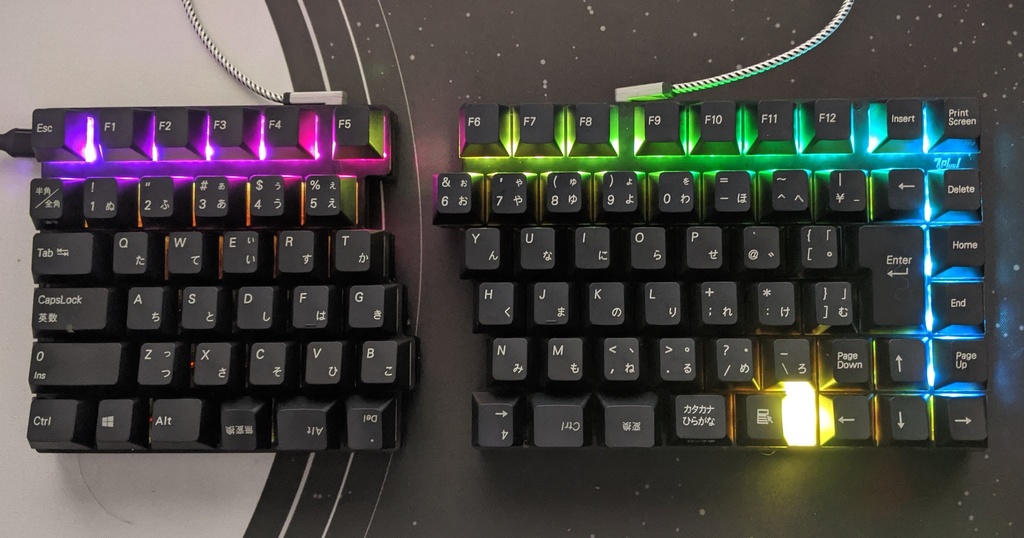
|
||||
|
||||
This is 89 keys Custom keyboard.
|
||||
|
||||
* Keyboard Maintainer: [Salicylic_acid3](https://github.com/Salicylic-acid3)
|
||||
* Hardware Supported: jisplit89 PCB, Pro Micro
|
||||
* Hardware Availability: [PCB & Case Data](https://github.com/Salicylic-acid3/PCB_Data), [Booth Shop](https://salicylic-acid3.booth.pm/items/1916810)
|
||||
|
||||
Make example for this keyboard (after setting up your build environment):
|
||||
|
||||
make jisplit89:default
|
||||
|
||||
See the [build environment setup](https://docs.qmk.fm/#/getting_started_build_tools) and the [make instructions](https://docs.qmk.fm/#/getting_started_make_guide) for more information. Brand new to QMK? Start with our [Complete Newbs Guide](https://docs.qmk.fm/#/newbs).
|
||||
|
||||
[Build guide](https://salicylic-acid3.hatenablog.com/entry/7skb-mx-build-guide)(See here because it is almost the same as 7sKB)
|
||||
83
keyboards/jisplit89/rev1/config.h
Normal file
83
keyboards/jisplit89/rev1/config.h
Normal file
@@ -0,0 +1,83 @@
|
||||
/*
|
||||
Copyright 2020 Salicylic_acid3
|
||||
|
||||
This program is free software: you can redistribute it and/or modify
|
||||
it under the terms of the GNU General Public License as published by
|
||||
the Free Software Foundation, either version 2 of the License, or
|
||||
(at your option) any later version.
|
||||
|
||||
This program is distributed in the hope that it will be useful,
|
||||
but WITHOUT ANY WARRANTY; without even the implied warranty of
|
||||
MERCHANTABILITY or FITNESS FOR A PARTICULAR PURPOSE. See the
|
||||
GNU General Public License for more details.
|
||||
|
||||
You should have received a copy of the GNU General Public License
|
||||
along with this program. If not, see <http://www.gnu.org/licenses/>.
|
||||
*/
|
||||
|
||||
#pragma once
|
||||
|
||||
/* USB Device descriptor parameter */
|
||||
#define VENDOR_ID 0xFEED
|
||||
#define PRODUCT_ID 0x3060
|
||||
#define DEVICE_VER 0x06ae
|
||||
#define MANUFACTURER Salicylic_Acid
|
||||
#define PRODUCT jisplit89
|
||||
#define DESCRIPTION A custom keyboard
|
||||
|
||||
/* key matrix size */
|
||||
#define MATRIX_ROWS 14
|
||||
#define MATRIX_COLS 8
|
||||
|
||||
// wiring of each half
|
||||
#define MATRIX_ROW_PINS { D1, D0, D4, C6, D7, E6, B4 }
|
||||
#define MATRIX_COL_PINS { F4, F5, F6, F7, B1, B3, B2, B5 }
|
||||
|
||||
#define DIODE_DIRECTION COL2ROW
|
||||
|
||||
/* Set 0 if debouncing isn't needed */
|
||||
#define DEBOUNCE 5
|
||||
|
||||
/* serial.c configuration for split keyboard */
|
||||
#define SOFT_SERIAL_PIN D2
|
||||
#define SPLIT_HAND_PIN B6
|
||||
|
||||
/* Mechanical locking support. Use KC_LCAP, KC_LNUM or KC_LSCR instead in keymap */
|
||||
#define LOCKING_SUPPORT_ENABLE
|
||||
/* Locking resynchronize hack */
|
||||
#define LOCKING_RESYNC_ENABLE
|
||||
|
||||
/* ws2812 RGB LED */
|
||||
#define RGB_DI_PIN D3
|
||||
|
||||
#ifndef RGBLED_NUM
|
||||
#define RGBLED_NUM 31
|
||||
#define RGBLIGHT_SPLIT
|
||||
#define RGBLED_SPLIT { 11, 20 }
|
||||
#endif
|
||||
|
||||
#define RGBLIGHT_ANIMATIONS
|
||||
|
||||
#ifndef IOS_DEVICE_ENABLE
|
||||
#define RGBLIGHT_LIMIT_VAL 180
|
||||
#define RGBLIGHT_VAL_STEP 17
|
||||
#else
|
||||
#define RGBLIGHT_LIMIT_VAL 50
|
||||
#define RGBLIGHT_VAL_STEP 4
|
||||
#endif
|
||||
#define RGBLIGHT_HUE_STEP 10
|
||||
#define RGBLIGHT_SAT_STEP 17
|
||||
|
||||
#if defined(RGBLIGHT_ENABLE) && !defined(IOS_DEVICE_ENABLE)
|
||||
// USB_MAX_POWER_CONSUMPTION value for naked48 keyboard
|
||||
// 120 RGBoff, OLEDoff
|
||||
// 120 OLED
|
||||
// 330 RGB 6
|
||||
// 300 RGB 32
|
||||
// 310 OLED & RGB 32
|
||||
#define USB_MAX_POWER_CONSUMPTION 400
|
||||
#else
|
||||
// fix iPhone and iPad power adapter issue
|
||||
// iOS device need lessthan 100
|
||||
#define USB_MAX_POWER_CONSUMPTION 100
|
||||
#endif
|
||||
1
keyboards/jisplit89/rev1/rev1.c
Normal file
1
keyboards/jisplit89/rev1/rev1.c
Normal file
@@ -0,0 +1 @@
|
||||
#include "rev1.h"
|
||||
49
keyboards/jisplit89/rev1/rev1.h
Normal file
49
keyboards/jisplit89/rev1/rev1.h
Normal file
@@ -0,0 +1,49 @@
|
||||
#pragma once
|
||||
|
||||
#include "jisplit89.h"
|
||||
|
||||
#include "quantum.h"
|
||||
|
||||
//////////////////////////////////////////////////////////////////////////////
|
||||
// When only use JISplit89.
|
||||
//////////////////////////////////////////////////////////////////////////////
|
||||
/*
|
||||
* ,-------------------------------------- ----------------------------------------------------------.
|
||||
* | L00 | L01 | L02 | L03 | L04 | L05 | | R00 | R01 | R02 | R03 | R04 | R05 | R06 | R07 | R60 |
|
||||
* |-------------------------------------- ------------------------------------------------------------+
|
||||
* | L10 | L11 | L12 | L13 | L14 | L15 | | R10 | R11 | R12 | R13 | R14 | R15 | R16 | R17 | R61 | R62 |
|
||||
* |---------------------------------------------------------------------------------------------------+
|
||||
* | L20 | L21 | L22 | L23 | L24 | L25 | | R20 | R21 | R22 | R23 | R24 | R25 | R26 | R27 | R63 |
|
||||
* |---------------------------------------- ---------------------------------------------------------+
|
||||
* | L30 | L31 | L32 | L33 | L34 | L35 | | R30 | R31 | R32 | R33 | R34 | R35 | R36 | | R37 |
|
||||
* |---------------------------------------------------------------------------------------------------+
|
||||
* | L40 | L41 | L42 | L43 | L44 | L45 | | R40 | R41 | R42 | R43 | R44 | R45 | R46 | R47 | R57 |
|
||||
* |------------------------------------------- -----------------------------------------------------+
|
||||
* | L50 | L51 | L52 | L53 | L54 | L55 | | R50 | R51 | R52 | R53 | R54 | | R55 | R56 | R64 |
|
||||
* |---------------------------------------- ------------------------------------------------------'
|
||||
*/
|
||||
|
||||
#define LAYOUT( \
|
||||
L00, L01, L02, L03, L04, L05, R00, R01, R02, R03, R04, R05, R06, R07, R60, \
|
||||
L10, L11, L12, L13, L14, L15, R10, R11, R12, R13, R14, R15, R16, R17, R61, R62, \
|
||||
L20, L21, L22, L23, L24, L25, R20, R21, R22, R23, R24, R25, R26, R27, R63, \
|
||||
L30, L31, L32, L33, L34, L35, R30, R31, R32, R33, R34, R35, R36, R37, \
|
||||
L40, L41, L42, L43, L44, L45, R40, R41, R42, R43, R44, R45, R46, R47, R57, \
|
||||
L50, L51, L52, L53, L54, L55, R50, R51, R52, R53, R54, R55, R56, R64 \
|
||||
) \
|
||||
{ \
|
||||
{ L00, L01, L02, L03, L04, L05, KC_NO, KC_NO }, \
|
||||
{ L10, L11, L12, L13, L14, L15, KC_NO, KC_NO }, \
|
||||
{ L20, L21, L22, L23, L24, L25, KC_NO, KC_NO }, \
|
||||
{ L30, L31, L32, L33, L34, L35, KC_NO, KC_NO }, \
|
||||
{ L40, L41, L42, L43, L44, L45, KC_NO, KC_NO }, \
|
||||
{ L50, L51, L52, L53, L54, L55, KC_NO, KC_NO }, \
|
||||
{KC_NO,KC_NO, KC_NO, KC_NO, KC_NO, KC_NO, KC_NO, KC_NO }, \
|
||||
{ R00, R01, R02, R03, R04, R05, R06, R07 }, \
|
||||
{ R10, R11, R12, R13, R14, R15, R16, R17 }, \
|
||||
{ R20, R21, R22, R23, R24, R25, R26, R27 }, \
|
||||
{ R30, R31, R32, R33, R34, R35, R36, R37 }, \
|
||||
{ R40, R41, R42, R43, R44, R45, R46, R47 }, \
|
||||
{ R50, R51, R52, R53, R54, R55, R56, R57 }, \
|
||||
{ R60, R61, R62, R63, R64, KC_NO, KC_NO, KC_NO } \
|
||||
}
|
||||
0
keyboards/jisplit89/rev1/rules.mk
Normal file
0
keyboards/jisplit89/rev1/rules.mk
Normal file
38
keyboards/jisplit89/rules.mk
Normal file
38
keyboards/jisplit89/rules.mk
Normal file
@@ -0,0 +1,38 @@
|
||||
# MCU name
|
||||
MCU = atmega32u4
|
||||
|
||||
# Bootloader selection
|
||||
# Teensy halfkay
|
||||
# Pro Micro caterina
|
||||
# Atmel DFU atmel-dfu
|
||||
# LUFA DFU lufa-dfu
|
||||
# QMK DFU qmk-dfu
|
||||
# ATmega32A bootloadHID
|
||||
# ATmega328P USBasp
|
||||
BOOTLOADER = caterina
|
||||
|
||||
# Build Options
|
||||
# change yes to no to disable
|
||||
|
||||
#
|
||||
BOOTMAGIC_ENABLE = no # Virtual DIP switch configuration
|
||||
MOUSEKEY_ENABLE = no # Mouse keys
|
||||
EXTRAKEY_ENABLE = yes # Audio control and System control
|
||||
CONSOLE_ENABLE = no # Console for debug
|
||||
COMMAND_ENABLE = yes # Commands for debug and configuration
|
||||
# Do not enable SLEEP_LED_ENABLE. it uses the same timer as BACKLIGHT_ENABLE
|
||||
SLEEP_LED_ENABLE = no # Breathing sleep LED during USB suspend
|
||||
# if this doesn't work, see here: https://github.com/tmk/tmk_keyboard/wiki/FAQ#nkro-doesnt-work
|
||||
NKRO_ENABLE = no # USB Nkey Rollover
|
||||
BACKLIGHT_ENABLE = no # Enable keyboard backlight functionality
|
||||
RGBLIGHT_ENABLE = yes # Enable keyboard RGB underglow
|
||||
MIDI_ENABLE = no # MIDI support
|
||||
BLUETOOTH_ENABLE = no # Enable Bluetooth with the Adafruit EZ-Key HID
|
||||
AUDIO_ENABLE = no # Audio output on port C6
|
||||
FAUXCLICKY_ENABLE = no # Use buzzer to emulate clicky switches
|
||||
HD44780_ENABLE = no # Enable support for HD44780 based LCDs
|
||||
UNICODE_ENABLE = no # Unicode
|
||||
|
||||
SPLIT_KEYBOARD = yes
|
||||
|
||||
DEFAULT_FOLDER = jisplit89/rev1
|
||||
@@ -19,10 +19,8 @@ along with this program. If not, see <http://www.gnu.org/licenses/>.
|
||||
#define VENDOR_ID 0x20A0
|
||||
#define PRODUCT_ID 0x422D
|
||||
#define DEVICE_VER 0x0200
|
||||
// TODO: share these strings with usbconfig.h
|
||||
// Edit usbconfig.h to change these.
|
||||
#define MANUFACTURER Kprepublic
|
||||
#define PRODUCT jj40
|
||||
#define MANUFACTURER KPrepublic
|
||||
#define PRODUCT JJ40
|
||||
|
||||
/* matrix size */
|
||||
#define MATRIX_ROWS 4
|
||||
|
||||
@@ -208,7 +208,7 @@ section at the end of this file).
|
||||
|
||||
/* -------------------------- Device Description --------------------------- */
|
||||
|
||||
#define USB_CFG_VENDOR_ID (VENDOR_ID & 0xFF), ((VENDOR_ID >> 8) & 0xFF)
|
||||
#define USB_CFG_VENDOR_ID
|
||||
/* USB vendor ID for the device, low byte first. If you have registered your
|
||||
* own Vendor ID, define it here. Otherwise you may use one of obdev's free
|
||||
* shared VID/PID pairs. Be sure to read USB-IDs-for-free.txt for rules!
|
||||
@@ -217,7 +217,7 @@ section at the end of this file).
|
||||
* with libusb: 0x16c0/0x5dc. Use this VID/PID pair ONLY if you understand
|
||||
* the implications!
|
||||
*/
|
||||
#define USB_CFG_DEVICE_ID (PRODUCT_ID & 0xFF), ((PRODUCT_ID >> 8) & 0xFF)
|
||||
#define USB_CFG_DEVICE_ID
|
||||
/* This is the ID of the product, low byte first. It is interpreted in the
|
||||
* scope of the vendor ID. If you have registered your own VID with usb.org
|
||||
* or if you have licensed a PID from somebody else, define it here. Otherwise
|
||||
@@ -228,34 +228,6 @@ section at the end of this file).
|
||||
* with libusb: 0x16c0/0x5dc. Use this VID/PID pair ONLY if you understand
|
||||
* the implications!
|
||||
*/
|
||||
#define USB_CFG_DEVICE_VERSION (DEVICE_VER & 0xFF), ((DEVICE_VER >> 8) & 0xFF)
|
||||
/* Version number of the device: Minor number first, then major number.
|
||||
*/
|
||||
#define USB_CFG_VENDOR_NAME 'w', 'i', 'n', 'k', 'e', 'y', 'l', 'e', 's', 's', '.', 'k', 'r'
|
||||
#define USB_CFG_VENDOR_NAME_LEN 13
|
||||
/* These two values define the vendor name returned by the USB device. The name
|
||||
* must be given as a list of characters under single quotes. The characters
|
||||
* are interpreted as Unicode (UTF-16) entities.
|
||||
* If you don't want a vendor name string, undefine these macros.
|
||||
* ALWAYS define a vendor name containing your Internet domain name if you use
|
||||
* obdev's free shared VID/PID pair. See the file USB-IDs-for-free.txt for
|
||||
* details.
|
||||
*/
|
||||
#define USB_CFG_DEVICE_NAME 'j', 'j', '4', '0'
|
||||
#define USB_CFG_DEVICE_NAME_LEN 4
|
||||
/* Same as above for the device name. If you don't want a device name, undefine
|
||||
* the macros. See the file USB-IDs-for-free.txt before you assign a name if
|
||||
* you use a shared VID/PID.
|
||||
*/
|
||||
/*#define USB_CFG_SERIAL_NUMBER 'N', 'o', 'n', 'e' */
|
||||
/*#define USB_CFG_SERIAL_NUMBER_LEN 0 */
|
||||
/* Same as above for the serial number. If you don't want a serial number,
|
||||
* undefine the macros.
|
||||
* It may be useful to provide the serial number through other means than at
|
||||
* compile time. See the section about descriptor properties below for how
|
||||
* to fine tune control over USB descriptors such as the string descriptor
|
||||
* for the serial number.
|
||||
*/
|
||||
#define USB_CFG_DEVICE_CLASS 0
|
||||
#define USB_CFG_DEVICE_SUBCLASS 0
|
||||
/* See USB specification if you want to conform to an existing device class.
|
||||
@@ -334,18 +306,15 @@ section at the end of this file).
|
||||
* };
|
||||
*/
|
||||
|
||||
#define USB_CFG_DESCR_PROPS_DEVICE 0
|
||||
#define USB_CFG_DESCR_PROPS_DEVICE USB_PROP_IS_DYNAMIC
|
||||
#define USB_CFG_DESCR_PROPS_CONFIGURATION USB_PROP_IS_DYNAMIC
|
||||
//#define USB_CFG_DESCR_PROPS_CONFIGURATION 0
|
||||
#define USB_CFG_DESCR_PROPS_STRINGS 0
|
||||
#define USB_CFG_DESCR_PROPS_STRING_0 0
|
||||
#define USB_CFG_DESCR_PROPS_STRING_VENDOR 0
|
||||
#define USB_CFG_DESCR_PROPS_STRING_PRODUCT 0
|
||||
#define USB_CFG_DESCR_PROPS_STRING_SERIAL_NUMBER 0
|
||||
#define USB_CFG_DESCR_PROPS_STRINGS USB_PROP_IS_DYNAMIC
|
||||
#define USB_CFG_DESCR_PROPS_STRING_0 USB_PROP_IS_DYNAMIC
|
||||
#define USB_CFG_DESCR_PROPS_STRING_VENDOR USB_PROP_IS_DYNAMIC
|
||||
#define USB_CFG_DESCR_PROPS_STRING_PRODUCT USB_PROP_IS_DYNAMIC
|
||||
#define USB_CFG_DESCR_PROPS_STRING_SERIAL_NUMBER USB_PROP_IS_DYNAMIC
|
||||
#define USB_CFG_DESCR_PROPS_HID USB_PROP_IS_DYNAMIC
|
||||
//#define USB_CFG_DESCR_PROPS_HID 0
|
||||
#define USB_CFG_DESCR_PROPS_HID_REPORT USB_PROP_IS_DYNAMIC
|
||||
//#define USB_CFG_DESCR_PROPS_HID_REPORT 0
|
||||
#define USB_CFG_DESCR_PROPS_UNKNOWN 0
|
||||
|
||||
#define usbMsgPtr_t unsigned short
|
||||
|
||||
@@ -22,10 +22,8 @@ along with this program. If not, see <http://www.gnu.org/licenses/>.
|
||||
#define VENDOR_ID 0x20A0
|
||||
#define PRODUCT_ID 0x422D
|
||||
#define DEVICE_VER 0x0200
|
||||
// TODO: share these strings with usbconfig.h
|
||||
// Edit usbconfig.h to change these.
|
||||
#define MANUFACTURER Kprepublic
|
||||
#define PRODUCT jj4x4
|
||||
#define MANUFACTURER KPrepublic
|
||||
#define PRODUCT JJ4x4
|
||||
|
||||
/* matrix size */
|
||||
#define MATRIX_ROWS 4
|
||||
|
||||
@@ -208,7 +208,7 @@ section at the end of this file).
|
||||
|
||||
/* -------------------------- Device Description --------------------------- */
|
||||
|
||||
#define USB_CFG_VENDOR_ID (VENDOR_ID & 0xFF), ((VENDOR_ID >> 8) & 0xFF)
|
||||
#define USB_CFG_VENDOR_ID
|
||||
/* USB vendor ID for the device, low byte first. If you have registered your
|
||||
* own Vendor ID, define it here. Otherwise you may use one of obdev's free
|
||||
* shared VID/PID pairs. Be sure to read USB-IDs-for-free.txt for rules!
|
||||
@@ -217,7 +217,7 @@ section at the end of this file).
|
||||
* with libusb: 0x16c0/0x5dc. Use this VID/PID pair ONLY if you understand
|
||||
* the implications!
|
||||
*/
|
||||
#define USB_CFG_DEVICE_ID (PRODUCT_ID & 0xFF), ((PRODUCT_ID >> 8) & 0xFF)
|
||||
#define USB_CFG_DEVICE_ID
|
||||
/* This is the ID of the product, low byte first. It is interpreted in the
|
||||
* scope of the vendor ID. If you have registered your own VID with usb.org
|
||||
* or if you have licensed a PID from somebody else, define it here. Otherwise
|
||||
@@ -228,34 +228,6 @@ section at the end of this file).
|
||||
* with libusb: 0x16c0/0x5dc. Use this VID/PID pair ONLY if you understand
|
||||
* the implications!
|
||||
*/
|
||||
#define USB_CFG_DEVICE_VERSION (DEVICE_VER & 0xFF), ((DEVICE_VER >> 8) & 0xFF)
|
||||
/* Version number of the device: Minor number first, then major number.
|
||||
*/
|
||||
#define USB_CFG_VENDOR_NAME 'w', 'i', 'n', 'k', 'e', 'y', 'l', 'e', 's', 's', '.', 'k', 'r'
|
||||
#define USB_CFG_VENDOR_NAME_LEN 13
|
||||
/* These two values define the vendor name returned by the USB device. The name
|
||||
* must be given as a list of characters under single quotes. The characters
|
||||
* are interpreted as Unicode (UTF-16) entities.
|
||||
* If you don't want a vendor name string, undefine these macros.
|
||||
* ALWAYS define a vendor name containing your Internet domain name if you use
|
||||
* obdev's free shared VID/PID pair. See the file USB-IDs-for-free.txt for
|
||||
* details.
|
||||
*/
|
||||
#define USB_CFG_DEVICE_NAME 'j', 'j', '4', 'x', '4'
|
||||
#define USB_CFG_DEVICE_NAME_LEN 5
|
||||
/* Same as above for the device name. If you don't want a device name, undefine
|
||||
* the macros. See the file USB-IDs-for-free.txt before you assign a name if
|
||||
* you use a shared VID/PID.
|
||||
*/
|
||||
/*#define USB_CFG_SERIAL_NUMBER 'N', 'o', 'n', 'e' */
|
||||
/*#define USB_CFG_SERIAL_NUMBER_LEN 0 */
|
||||
/* Same as above for the serial number. If you don't want a serial number,
|
||||
* undefine the macros.
|
||||
* It may be useful to provide the serial number through other means than at
|
||||
* compile time. See the section about descriptor properties below for how
|
||||
* to fine tune control over USB descriptors such as the string descriptor
|
||||
* for the serial number.
|
||||
*/
|
||||
#define USB_CFG_DEVICE_CLASS 0
|
||||
#define USB_CFG_DEVICE_SUBCLASS 0
|
||||
/* See USB specification if you want to conform to an existing device class.
|
||||
@@ -334,18 +306,15 @@ section at the end of this file).
|
||||
* };
|
||||
*/
|
||||
|
||||
#define USB_CFG_DESCR_PROPS_DEVICE 0
|
||||
#define USB_CFG_DESCR_PROPS_DEVICE USB_PROP_IS_DYNAMIC
|
||||
#define USB_CFG_DESCR_PROPS_CONFIGURATION USB_PROP_IS_DYNAMIC
|
||||
//#define USB_CFG_DESCR_PROPS_CONFIGURATION 0
|
||||
#define USB_CFG_DESCR_PROPS_STRINGS 0
|
||||
#define USB_CFG_DESCR_PROPS_STRING_0 0
|
||||
#define USB_CFG_DESCR_PROPS_STRING_VENDOR 0
|
||||
#define USB_CFG_DESCR_PROPS_STRING_PRODUCT 0
|
||||
#define USB_CFG_DESCR_PROPS_STRING_SERIAL_NUMBER 0
|
||||
#define USB_CFG_DESCR_PROPS_STRINGS USB_PROP_IS_DYNAMIC
|
||||
#define USB_CFG_DESCR_PROPS_STRING_0 USB_PROP_IS_DYNAMIC
|
||||
#define USB_CFG_DESCR_PROPS_STRING_VENDOR USB_PROP_IS_DYNAMIC
|
||||
#define USB_CFG_DESCR_PROPS_STRING_PRODUCT USB_PROP_IS_DYNAMIC
|
||||
#define USB_CFG_DESCR_PROPS_STRING_SERIAL_NUMBER USB_PROP_IS_DYNAMIC
|
||||
#define USB_CFG_DESCR_PROPS_HID USB_PROP_IS_DYNAMIC
|
||||
//#define USB_CFG_DESCR_PROPS_HID 0
|
||||
#define USB_CFG_DESCR_PROPS_HID_REPORT USB_PROP_IS_DYNAMIC
|
||||
//#define USB_CFG_DESCR_PROPS_HID_REPORT 0
|
||||
#define USB_CFG_DESCR_PROPS_UNKNOWN 0
|
||||
|
||||
#define usbMsgPtr_t unsigned short
|
||||
|
||||
@@ -25,10 +25,8 @@ along with this program. If not, see <http://www.gnu.org/licenses/>.
|
||||
#define VENDOR_ID 0x20A0
|
||||
#define PRODUCT_ID 0x422D
|
||||
#define DEVICE_VER 0x0200
|
||||
// TODO: share these strings with usbconfig.h
|
||||
// Edit usbconfig.h to change these.
|
||||
#define MANUFACTURER kprepublic
|
||||
#define PRODUCT jj50
|
||||
#define MANUFACTURER KPrepublic
|
||||
#define PRODUCT JJ50
|
||||
#define DESCRIPTION Preonic-like clone
|
||||
|
||||
/* matrix size */
|
||||
|
||||
@@ -208,7 +208,7 @@ section at the end of this file).
|
||||
|
||||
/* -------------------------- Device Description --------------------------- */
|
||||
|
||||
#define USB_CFG_VENDOR_ID (VENDOR_ID & 0xFF), ((VENDOR_ID >> 8) & 0xFF)
|
||||
#define USB_CFG_VENDOR_ID
|
||||
/* USB vendor ID for the device, low byte first. If you have registered your
|
||||
* own Vendor ID, define it here. Otherwise you may use one of obdev's free
|
||||
* shared VID/PID pairs. Be sure to read USB-IDs-for-free.txt for rules!
|
||||
@@ -217,7 +217,7 @@ section at the end of this file).
|
||||
* with libusb: 0x16c0/0x5dc. Use this VID/PID pair ONLY if you understand
|
||||
* the implications!
|
||||
*/
|
||||
#define USB_CFG_DEVICE_ID (PRODUCT_ID & 0xFF), ((PRODUCT_ID >> 8) & 0xFF)
|
||||
#define USB_CFG_DEVICE_ID
|
||||
/* This is the ID of the product, low byte first. It is interpreted in the
|
||||
* scope of the vendor ID. If you have registered your own VID with usb.org
|
||||
* or if you have licensed a PID from somebody else, define it here. Otherwise
|
||||
@@ -228,34 +228,6 @@ section at the end of this file).
|
||||
* with libusb: 0x16c0/0x5dc. Use this VID/PID pair ONLY if you understand
|
||||
* the implications!
|
||||
*/
|
||||
#define USB_CFG_DEVICE_VERSION (DEVICE_VER & 0xFF), ((DEVICE_VER >> 8) & 0xFF)
|
||||
/* Version number of the device: Minor number first, then major number.
|
||||
*/
|
||||
#define USB_CFG_VENDOR_NAME 'K', 'P', 'R', 'e', 'p', 'u', 'b', 'l', 'i', 'c'
|
||||
#define USB_CFG_VENDOR_NAME_LEN 10
|
||||
/* These two values define the vendor name returned by the USB device. The name
|
||||
* must be given as a list of characters under single quotes. The characters
|
||||
* are interpreted as Unicode (UTF-16) entities.
|
||||
* If you don't want a vendor name string, undefine these macros.
|
||||
* ALWAYS define a vendor name containing your Internet domain name if you use
|
||||
* obdev's free shared VID/PID pair. See the file USB-IDs-for-free.txt for
|
||||
* details.
|
||||
*/
|
||||
#define USB_CFG_DEVICE_NAME 'J','J','5','0',' ','K','e','y','b','o','a','r','d'
|
||||
#define USB_CFG_DEVICE_NAME_LEN 13
|
||||
/* Same as above for the device name. If you don't want a device name, undefine
|
||||
* the macros. See the file USB-IDs-for-free.txt before you assign a name if
|
||||
* you use a shared VID/PID.
|
||||
*/
|
||||
/*#define USB_CFG_SERIAL_NUMBER 'N', 'o', 'n', 'e' */
|
||||
/*#define USB_CFG_SERIAL_NUMBER_LEN 0 */
|
||||
/* Same as above for the serial number. If you don't want a serial number,
|
||||
* undefine the macros.
|
||||
* It may be useful to provide the serial number through other means than at
|
||||
* compile time. See the section about descriptor properties below for how
|
||||
* to fine tune control over USB descriptors such as the string descriptor
|
||||
* for the serial number.
|
||||
*/
|
||||
#define USB_CFG_DEVICE_CLASS 0
|
||||
#define USB_CFG_DEVICE_SUBCLASS 0
|
||||
/* See USB specification if you want to conform to an existing device class.
|
||||
@@ -334,18 +306,15 @@ section at the end of this file).
|
||||
* };
|
||||
*/
|
||||
|
||||
#define USB_CFG_DESCR_PROPS_DEVICE 0
|
||||
#define USB_CFG_DESCR_PROPS_DEVICE USB_PROP_IS_DYNAMIC
|
||||
#define USB_CFG_DESCR_PROPS_CONFIGURATION USB_PROP_IS_DYNAMIC
|
||||
//#define USB_CFG_DESCR_PROPS_CONFIGURATION 0
|
||||
#define USB_CFG_DESCR_PROPS_STRINGS 0
|
||||
#define USB_CFG_DESCR_PROPS_STRING_0 0
|
||||
#define USB_CFG_DESCR_PROPS_STRING_VENDOR 0
|
||||
#define USB_CFG_DESCR_PROPS_STRING_PRODUCT 0
|
||||
#define USB_CFG_DESCR_PROPS_STRING_SERIAL_NUMBER 0
|
||||
#define USB_CFG_DESCR_PROPS_STRINGS USB_PROP_IS_DYNAMIC
|
||||
#define USB_CFG_DESCR_PROPS_STRING_0 USB_PROP_IS_DYNAMIC
|
||||
#define USB_CFG_DESCR_PROPS_STRING_VENDOR USB_PROP_IS_DYNAMIC
|
||||
#define USB_CFG_DESCR_PROPS_STRING_PRODUCT USB_PROP_IS_DYNAMIC
|
||||
#define USB_CFG_DESCR_PROPS_STRING_SERIAL_NUMBER USB_PROP_IS_DYNAMIC
|
||||
#define USB_CFG_DESCR_PROPS_HID USB_PROP_IS_DYNAMIC
|
||||
//#define USB_CFG_DESCR_PROPS_HID 0
|
||||
#define USB_CFG_DESCR_PROPS_HID_REPORT USB_PROP_IS_DYNAMIC
|
||||
//#define USB_CFG_DESCR_PROPS_HID_REPORT 0
|
||||
#define USB_CFG_DESCR_PROPS_UNKNOWN 0
|
||||
|
||||
#define usbMsgPtr_t unsigned short
|
||||
|
||||
@@ -23,7 +23,7 @@ along with this program. If not, see <http://www.gnu.org/licenses/>.
|
||||
#define PRODUCT_ID 0x422D
|
||||
#define DEVICE_VER 0x0200
|
||||
#define MANUFACTURER KBDfans
|
||||
#define PRODUCT KBDPAD-MKI
|
||||
#define PRODUCT KBDPAD Mk. I
|
||||
|
||||
#define MATRIX_ROWS 6
|
||||
#define MATRIX_COLS 4
|
||||
|
||||
@@ -207,7 +207,7 @@ section at the end of this file).
|
||||
|
||||
/* -------------------------- Device Description --------------------------- */
|
||||
|
||||
#define USB_CFG_VENDOR_ID (VENDOR_ID & 0xFF), ((VENDOR_ID >> 8) & 0xFF)
|
||||
#define USB_CFG_VENDOR_ID
|
||||
/* USB vendor ID for the device, low byte first. If you have registered your
|
||||
* own Vendor ID, define it here. Otherwise you may use one of obdev's free
|
||||
* shared VID/PID pairs. Be sure to read USB-IDs-for-free.txt for rules!
|
||||
@@ -216,7 +216,7 @@ section at the end of this file).
|
||||
* with libusb: 0x16c0/0x5dc. Use this VID/PID pair ONLY if you understand
|
||||
* the implications!
|
||||
*/
|
||||
#define USB_CFG_DEVICE_ID (PRODUCT_ID & 0xFF), ((PRODUCT_ID >> 8) & 0xFF)
|
||||
#define USB_CFG_DEVICE_ID
|
||||
/* This is the ID of the product, low byte first. It is interpreted in the
|
||||
* scope of the vendor ID. If you have registered your own VID with usb.org
|
||||
* or if you have licensed a PID from somebody else, define it here. Otherwise
|
||||
@@ -227,34 +227,6 @@ section at the end of this file).
|
||||
* with libusb: 0x16c0/0x5dc. Use this VID/PID pair ONLY if you understand
|
||||
* the implications!
|
||||
*/
|
||||
#define USB_CFG_DEVICE_VERSION (DEVICE_VER & 0xFF), ((DEVICE_VER >> 8) & 0xFF)
|
||||
/* Version number of the device: Minor number first, then major number.
|
||||
*/
|
||||
#define USB_CFG_VENDOR_NAME 'w', 'i', 'n', 'k', 'e', 'y', 'l', 'e', 's', 's', '.', 'k', 'r'
|
||||
#define USB_CFG_VENDOR_NAME_LEN 13
|
||||
/* These two values define the vendor name returned by the USB device. The name
|
||||
* must be given as a list of characters under single quotes. The characters
|
||||
* are interpreted as Unicode (UTF-16) entities.
|
||||
* If you don't want a vendor name string, undefine these macros.
|
||||
* ALWAYS define a vendor name containing your Internet domain name if you use
|
||||
* obdev's free shared VID/PID pair. See the file USB-IDs-for-free.txt for
|
||||
* details.
|
||||
*/
|
||||
#define USB_CFG_DEVICE_NAME 'p', 's', '2', 'a', 'v', 'r', 'G', 'B'
|
||||
#define USB_CFG_DEVICE_NAME_LEN 8
|
||||
/* Same as above for the device name. If you don't want a device name, undefine
|
||||
* the macros. See the file USB-IDs-for-free.txt before you assign a name if
|
||||
* you use a shared VID/PID.
|
||||
*/
|
||||
/*#define USB_CFG_SERIAL_NUMBER 'N', 'o', 'n', 'e' */
|
||||
/*#define USB_CFG_SERIAL_NUMBER_LEN 0 */
|
||||
/* Same as above for the serial number. If you don't want a serial number,
|
||||
* undefine the macros.
|
||||
* It may be useful to provide the serial number through other means than at
|
||||
* compile time. See the section about descriptor properties below for how
|
||||
* to fine tune control over USB descriptors such as the string descriptor
|
||||
* for the serial number.
|
||||
*/
|
||||
#define USB_CFG_DEVICE_CLASS 0
|
||||
#define USB_CFG_DEVICE_SUBCLASS 0
|
||||
/* See USB specification if you want to conform to an existing device class.
|
||||
@@ -333,18 +305,15 @@ section at the end of this file).
|
||||
* };
|
||||
*/
|
||||
|
||||
#define USB_CFG_DESCR_PROPS_DEVICE 0
|
||||
#define USB_CFG_DESCR_PROPS_DEVICE USB_PROP_IS_DYNAMIC
|
||||
#define USB_CFG_DESCR_PROPS_CONFIGURATION USB_PROP_IS_DYNAMIC
|
||||
//#define USB_CFG_DESCR_PROPS_CONFIGURATION 0
|
||||
#define USB_CFG_DESCR_PROPS_STRINGS 0
|
||||
#define USB_CFG_DESCR_PROPS_STRING_0 0
|
||||
#define USB_CFG_DESCR_PROPS_STRING_VENDOR 0
|
||||
#define USB_CFG_DESCR_PROPS_STRING_PRODUCT 0
|
||||
#define USB_CFG_DESCR_PROPS_STRING_SERIAL_NUMBER 0
|
||||
#define USB_CFG_DESCR_PROPS_STRINGS USB_PROP_IS_DYNAMIC
|
||||
#define USB_CFG_DESCR_PROPS_STRING_0 USB_PROP_IS_DYNAMIC
|
||||
#define USB_CFG_DESCR_PROPS_STRING_VENDOR USB_PROP_IS_DYNAMIC
|
||||
#define USB_CFG_DESCR_PROPS_STRING_PRODUCT USB_PROP_IS_DYNAMIC
|
||||
#define USB_CFG_DESCR_PROPS_STRING_SERIAL_NUMBER USB_PROP_IS_DYNAMIC
|
||||
#define USB_CFG_DESCR_PROPS_HID USB_PROP_IS_DYNAMIC
|
||||
//#define USB_CFG_DESCR_PROPS_HID 0
|
||||
#define USB_CFG_DESCR_PROPS_HID_REPORT USB_PROP_IS_DYNAMIC
|
||||
//#define USB_CFG_DESCR_PROPS_HID_REPORT 0
|
||||
#define USB_CFG_DESCR_PROPS_UNKNOWN 0
|
||||
|
||||
#define usbMsgPtr_t unsigned short
|
||||
|
||||
@@ -1 +1,2 @@
|
||||
VIA_ENABLE = yes
|
||||
LINK_TIME_OPTIMIZATION_ENABLE = yes
|
||||
|
||||
@@ -19,10 +19,10 @@ along with this program. If not, see <http://www.gnu.org/licenses/>.
|
||||
|
||||
/* USB Device descriptor parameter */
|
||||
#define VENDOR_ID 0xCB10
|
||||
#define PRODUCT_ID 0x1256
|
||||
#define PRODUCT_ID 0x2256
|
||||
#define DEVICE_VER 0x0200
|
||||
#define MANUFACTURER Keebio
|
||||
#define PRODUCT Iris Keyboard
|
||||
#define PRODUCT Keebio Iris Rev. 2
|
||||
#define DESCRIPTION Split 50 percent ergonomic keyboard
|
||||
|
||||
/* key matrix size */
|
||||
|
||||
@@ -22,7 +22,7 @@ along with this program. If not, see <http://www.gnu.org/licenses/>.
|
||||
#define PRODUCT_ID 0x1256
|
||||
#define DEVICE_VER 0x0300
|
||||
#define MANUFACTURER Keebio
|
||||
#define PRODUCT Iris Keyboard
|
||||
#define PRODUCT Keebio Iris Rev. 3
|
||||
#define DESCRIPTION Split 50 percent ergonomic keyboard
|
||||
|
||||
/* key matrix size */
|
||||
|
||||
@@ -16,18 +16,18 @@
|
||||
L00, L01, L02, L03, L04, L05, R00, R01, R02, R03, R04, R05, \
|
||||
L10, L11, L12, L13, L14, L15, R10, R11, R12, R13, R14, R15, \
|
||||
L20, L21, L22, L23, L24, L25, R20, R21, R22, R23, R24, R25, \
|
||||
L30, L31, L32, L33, L34, L35, LT4, RT4, R30, R31, R32, R33, R34, R35, \
|
||||
LT1, LT2, LT3, RT3, RT2, RT1 \
|
||||
L30, L31, L32, L33, L34, L35, L42, R43, R30, R31, R32, R33, R34, R35, \
|
||||
L43, L44, L45, R40, R41, R42 \
|
||||
) \
|
||||
{ \
|
||||
{ L00, L01, L02, L03, L04, L05 }, \
|
||||
{ L10, L11, L12, L13, L14, L15 }, \
|
||||
{ L20, L21, L22, L23, L24, L25 }, \
|
||||
{ L30, L31, L32, L33, L34, L35 }, \
|
||||
{ KC_NO, KC_NO, LT4, LT1, LT2, LT3 }, \
|
||||
{ KC_NO, KC_NO, L42, L43, L44, L45 }, \
|
||||
{ R05, R04, R03, R02, R01, R00 }, \
|
||||
{ R15, R14, R13, R12, R11, R10 }, \
|
||||
{ R25, R24, R23, R22, R21, R20 }, \
|
||||
{ R35, R34, R33, R32, R31, R30 }, \
|
||||
{ KC_NO, KC_NO, RT4, RT1, RT2, RT3 } \
|
||||
{ KC_NO, KC_NO, R43, R42, R41, R40 } \
|
||||
}
|
||||
|
||||
@@ -19,10 +19,10 @@ along with this program. If not, see <http://www.gnu.org/licenses/>.
|
||||
|
||||
/* USB Device descriptor parameter */
|
||||
#define VENDOR_ID 0xCB10
|
||||
#define PRODUCT_ID 0x1256
|
||||
#define PRODUCT_ID 0x4256
|
||||
#define DEVICE_VER 0x0400
|
||||
#define MANUFACTURER Keebio
|
||||
#define PRODUCT Iris Keyboard
|
||||
#define PRODUCT Keebio Iris Rev. 4
|
||||
#define DESCRIPTION Split 50 percent ergonomic keyboard
|
||||
|
||||
/* key matrix size */
|
||||
|
||||
@@ -17,11 +17,9 @@ along with this program. If not, see <http://www.gnu.org/licenses/>.
|
||||
|
||||
#pragma once
|
||||
|
||||
// #define USE_I2C
|
||||
|
||||
/* Select hand configuration */
|
||||
// #define MASTER_RIGHT
|
||||
// #define EE_HANDS
|
||||
|
||||
#undef RGBLED_NUM
|
||||
#define RGBLED_NUM 12
|
||||
#define RGBLIGHT_LAYERS
|
||||
|
||||
#define TAPPING_TOGGLE 2
|
||||
#define TAPPING_TERM 150
|
||||
|
||||
@@ -6,10 +6,6 @@ extern keymap_config_t keymap_config;
|
||||
#define _L 1
|
||||
#define _R 2
|
||||
|
||||
enum custom_keycodes {
|
||||
QWERTY = SAFE_RANGE
|
||||
};
|
||||
|
||||
#define KC_TL LCTL(KC_PGUP)
|
||||
#define KC_TR LCTL(KC_PGDN)
|
||||
#define KC_TC LCTL(KC_W)
|
||||
@@ -26,7 +22,7 @@ const uint16_t PROGMEM keymaps[][MATRIX_ROWS][MATRIX_COLS] = {
|
||||
//├────────┼────────┼────────┼────────┼────────┼────────┤ ├────────┼────────┼────────┼────────┼────────┼────────┤
|
||||
KC_LSFT, KC_Z , KC_X , KC_C , KC_V , KC_B , KC_N , KC_M , KC_COMM, KC_DOT , KC_SLSH, KC_ENT ,
|
||||
//├────────┼────────┼────────┼────────┼────────┼────────┤ ├────────┼────────┼────────┼────────┼────────┼────────┤
|
||||
KC_CAPS, KC_LCTL, KC_LGUI, KC_LALT, MO(_L) , KC_SPC , KC_SPC , TG(_R) , KC_LEFT, KC_DOWN, KC_UP , KC_RGHT
|
||||
KC_CAPS, KC_LCTL, KC_LGUI, KC_LALT, MO(_L) , KC_SPC , KC_RSFT, TT(_R) , KC_LEFT, KC_DOWN, KC_UP , KC_RGHT
|
||||
//└────────┴────────┴────────┴────────┴────────┴────────┘ └────────┴────────┴────────┴────────┴────────┴────────┘
|
||||
),
|
||||
|
||||
@@ -59,33 +55,54 @@ const uint16_t PROGMEM keymaps[][MATRIX_ROWS][MATRIX_COLS] = {
|
||||
)
|
||||
};
|
||||
|
||||
const rgblight_segment_t PROGMEM left[] = RGBLIGHT_LAYER_SEGMENTS(
|
||||
{0, 12, HSV_MAGENTA}
|
||||
);
|
||||
|
||||
const rgblight_segment_t PROGMEM right[] = RGBLIGHT_LAYER_SEGMENTS(
|
||||
{0, 12, HSV_RED}
|
||||
);
|
||||
|
||||
const rgblight_segment_t PROGMEM capslock[] = RGBLIGHT_LAYER_SEGMENTS(
|
||||
{0, 3, HSV_GOLD},
|
||||
{6, 3, HSV_GOLD}
|
||||
);
|
||||
|
||||
const rgblight_segment_t* const PROGMEM rgb_layers[] = RGBLIGHT_LAYERS_LIST(left, right, capslock);
|
||||
|
||||
void keyboard_post_init_user(void) {
|
||||
rgblight_sethsv_noeeprom(HSV_BLUE);
|
||||
rgblight_sethsv_noeeprom(HSV_SPRINGGREEN);
|
||||
rgblight_layers = rgb_layers;
|
||||
}
|
||||
|
||||
void update_led(void) {
|
||||
switch (biton32(layer_state)) {
|
||||
case _BASE:
|
||||
rgblight_sethsv_noeeprom(HSV_BLUE);
|
||||
break;
|
||||
case _L:
|
||||
rgblight_sethsv_noeeprom(HSV_CORAL);
|
||||
break;
|
||||
case _R:
|
||||
rgblight_sethsv_noeeprom(HSV_MAGENTA);
|
||||
break;
|
||||
layer_state_t layer_state_set_user(layer_state_t state) {
|
||||
rgblight_set_layer_state(0, layer_state_cmp(state, _L));
|
||||
rgblight_set_layer_state(1, layer_state_cmp(state, _R));
|
||||
return state;
|
||||
}
|
||||
|
||||
void suspend_power_down_user(void) {
|
||||
rgblight_disable();
|
||||
}
|
||||
|
||||
void suspend_wakeup_init_user(void) {
|
||||
rgblight_enable();
|
||||
}
|
||||
|
||||
bool is_shift_pressed = false;
|
||||
|
||||
bool led_update_user(led_t led_state) {
|
||||
rgblight_set_layer_state(2, is_shift_pressed != led_state.caps_lock);
|
||||
return true;
|
||||
}
|
||||
|
||||
bool process_record_user(uint16_t keycode, keyrecord_t* record) {
|
||||
switch (keycode) {
|
||||
case KC_LSFT:
|
||||
case KC_RSFT:
|
||||
is_shift_pressed = record->event.pressed;
|
||||
rgblight_set_layer_state(2, is_shift_pressed != host_keyboard_led_state().caps_lock);
|
||||
default:
|
||||
return true;
|
||||
}
|
||||
if (IS_HOST_LED_ON(USB_LED_CAPS_LOCK)) {
|
||||
rgblight_sethsv_range(HSV_WHITE,0,3);
|
||||
rgblight_sethsv_range(HSV_WHITE,9,12);
|
||||
}
|
||||
}
|
||||
|
||||
uint32_t layer_state_set_user(uint32_t state) {
|
||||
update_led();
|
||||
return state;
|
||||
}
|
||||
|
||||
void led_set_user(uint8_t usb_led) {
|
||||
update_led();
|
||||
}
|
||||
|
||||
@@ -1,7 +1,7 @@
|
||||
# George Petri's Nyquist layout
|
||||
|
||||
```
|
||||
make keebio/nyquist/rev2:georgepetri
|
||||
sudo make keebio/nyquist/rev2:georgepetri:dfu
|
||||
```
|
||||
|
||||
Features a dedicated navigation layer on rise and current layer status on rgb underglow.
|
||||
@@ -15,9 +15,9 @@ Features a dedicated navigation layer on rise and current layer status on rgb un
|
||||
├──────┼──────┼──────┼──────┼──────┼──────┤ ├──────┼──────┼──────┼──────┼──────┼──────┤
|
||||
│ ESC │ A │ S │ D │ F │ G │ │ H │ J │ K │ L │ SCLN│ QUOT │
|
||||
├──────┼──────┼──────┼──────┼──────┼──────┤ ├──────┼──────┼──────┼──────┼──────┼──────┤
|
||||
│ LSFT│ Z │ X │ C │ V │ B │ │ N │ M │ COMM │ DOT │ SLSH│ ENT │
|
||||
│ LSFT│ Z │ X │ C │ V │ B │ │ N │ M │ COMM│ DOT │ SLSH│ ENT │
|
||||
├──────┼──────┼──────┼──────┼──────┼──────┤ ├──────┼──────┼──────┼──────┼──────┼──────┤
|
||||
│ CAPS│ LCTL│ LGUI │ LALT │MO(_L)│ SPC │ │ SPC │MO(_R)│ LEFT │ DOWN│ UP │ RGHT │
|
||||
│ CAPS│ LCTL│ LGUI │ LALT │MO(_L)│ SPC │ │ RSFT│MO(_R)│ LEFT│ DOWN│ UP │ RGHT │
|
||||
└──────┴──────┴──────┴──────┴──────┴──────┘ └──────┴──────┴──────┴──────┴──────┴──────┘
|
||||
```
|
||||
|
||||
@@ -28,7 +28,7 @@ Features a dedicated navigation layer on rise and current layer status on rgb un
|
||||
├──────┼──────┼──────┼──────┼──────┼──────┤ ├──────┼──────┼──────┼──────┼──────┼──────┤
|
||||
│ │ F11 │ F12 │ │ │ │ │ │ MINS│ EQL │ LBRC│ RBRC│ BSLS │
|
||||
├──────┼──────┼──────┼──────┼──────┼──────┤ ├──────┼──────┼──────┼──────┼──────┼──────┤
|
||||
│ │ │ │ │ │ │ │ LEFT │ DOWN │ UP │ RGHT │ │ │
|
||||
│ │ │ │ │ │ │ │ LEFT│ DOWN│ UP │ RGHT│ │ │
|
||||
├──────┼──────┼──────┼──────┼──────┼──────┤ ├──────┼──────┼──────┼──────┼──────┼──────┤
|
||||
│ │ │ │ │ │ │ │ │ PGDN│ PGUP │ HOME│ END │ │
|
||||
├──────┼──────┼──────┼──────┼──────┼──────┤ ├──────┼──────┼──────┼──────┼──────┼──────┤
|
||||
@@ -43,9 +43,9 @@ Features a dedicated navigation layer on rise and current layer status on rgb un
|
||||
├──────┼──────┼──────┼──────┼──────┼──────┤ ├──────┼──────┼──────┼──────┼──────┼──────┤
|
||||
│ │ TAB_L│ TAB_R│ TAB_C│ TAB_R│ │ │ │ TAB_L│ TAB_R│ TAB_C│ TAB_R│ │
|
||||
├──────┼──────┼──────┼──────┼──────┼──────┤ ├──────┼──────┼──────┼──────┼──────┼──────┤
|
||||
│ │ LEFT │ DOWN │ UP │ RGHT │ │ │ LEFT │ DOWN │ UP │ RGHT │ │ │
|
||||
│ │ LEFT│ DOWN│ UP │ RGHT│ │ │ LEFT│ DOWN│ UP │ RGHT│ │ │
|
||||
├──────┼──────┼──────┼──────┼──────┼──────┤ ├──────┼──────┼──────┼──────┼──────┼──────┤
|
||||
│ │ PGDN │ PGUP │ HOME│ END │ │ │ │ PGDN │ PGUP │ HOME│ END │ │
|
||||
│ │ PGDN│ PGUP│ HOME│ END │ │ │ │ PGDN│ PGUP│ HOME│ END │ │
|
||||
├──────┼──────┼──────┼──────┼──────┼──────┤ ├──────┼──────┼──────┼──────┼──────┼──────┤
|
||||
│ │ │ │ │ │ │ │ │ │ │ │ │ │
|
||||
└──────┴──────┴──────┴──────┴──────┴──────┘ └──────┴──────┴──────┴──────┴──────┴──────┘
|
||||
|
||||
@@ -1,3 +1,5 @@
|
||||
RGBLIGHT_ENABLE = yes
|
||||
MOUSEKEY_ENABLE = no
|
||||
COMMAND_ENABLE = no
|
||||
RGBLIGHT_ENABLE = yes
|
||||
LTO_ENABLE = yes
|
||||
DEBOUNCE_TYPE = eager_pk
|
||||
|
||||
@@ -207,7 +207,7 @@ section at the end of this file).
|
||||
|
||||
/* -------------------------- Device Description --------------------------- */
|
||||
|
||||
#define USB_CFG_VENDOR_ID (VENDOR_ID & 0xFF), ((VENDOR_ID >> 8) & 0xFF)
|
||||
#define USB_CFG_VENDOR_ID
|
||||
/* USB vendor ID for the device, low byte first. If you have registered your
|
||||
* own Vendor ID, define it here. Otherwise you may use one of obdev's free
|
||||
* shared VID/PID pairs. Be sure to read USB-IDs-for-free.txt for rules!
|
||||
@@ -216,7 +216,7 @@ section at the end of this file).
|
||||
* with libusb: 0x16c0/0x5dc. Use this VID/PID pair ONLY if you understand
|
||||
* the implications!
|
||||
*/
|
||||
#define USB_CFG_DEVICE_ID (PRODUCT_ID & 0xFF), ((PRODUCT_ID >> 8) & 0xFF)
|
||||
#define USB_CFG_DEVICE_ID
|
||||
/* This is the ID of the product, low byte first. It is interpreted in the
|
||||
* scope of the vendor ID. If you have registered your own VID with usb.org
|
||||
* or if you have licensed a PID from somebody else, define it here. Otherwise
|
||||
@@ -227,34 +227,6 @@ section at the end of this file).
|
||||
* with libusb: 0x16c0/0x5dc. Use this VID/PID pair ONLY if you understand
|
||||
* the implications!
|
||||
*/
|
||||
#define USB_CFG_DEVICE_VERSION (DEVICE_VER & 0xFF), ((DEVICE_VER >> 8) & 0xFF)
|
||||
/* Version number of the device: Minor number first, then major number.
|
||||
*/
|
||||
#define USB_CFG_VENDOR_NAME 'K','e','y','c','a','p','s','s','s'
|
||||
#define USB_CFG_VENDOR_NAME_LEN 9
|
||||
/* These two values define the vendor name returned by the USB device. The name
|
||||
* must be given as a list of characters under single quotes. The characters
|
||||
* are interpreted as Unicode (UTF-16) entities.
|
||||
* If you don't want a vendor name string, undefine these macros.
|
||||
* ALWAYS define a vendor name containing your Internet domain name if you use
|
||||
* obdev's free shared VID/PID pair. See the file USB-IDs-for-free.txt for
|
||||
* details.
|
||||
*/
|
||||
#define USB_CFG_DEVICE_NAME 'P', 'l', 'a', 'i', 'd', '-', 'P', 'a', 'd'
|
||||
#define USB_CFG_DEVICE_NAME_LEN 9
|
||||
/* Same as above for the device name. If you don't want a device name, undefine
|
||||
* the macros. See the file USB-IDs-for-free.txt before you assign a name if
|
||||
* you use a shared VID/PID.
|
||||
*/
|
||||
/*#define USB_CFG_SERIAL_NUMBER 'N', 'o', 'n', 'e' */
|
||||
/*#define USB_CFG_SERIAL_NUMBER_LEN 0 */
|
||||
/* Same as above for the serial number. If you don't want a serial number,
|
||||
* undefine the macros.
|
||||
* It may be useful to provide the serial number through other means than at
|
||||
* compile time. See the section about descriptor properties below for how
|
||||
* to fine tune control over USB descriptors such as the string descriptor
|
||||
* for the serial number.
|
||||
*/
|
||||
#define USB_CFG_DEVICE_CLASS 0
|
||||
#define USB_CFG_DEVICE_SUBCLASS 0
|
||||
/* See USB specification if you want to conform to an existing device class.
|
||||
@@ -333,18 +305,15 @@ section at the end of this file).
|
||||
* };
|
||||
*/
|
||||
|
||||
#define USB_CFG_DESCR_PROPS_DEVICE 0
|
||||
#define USB_CFG_DESCR_PROPS_DEVICE USB_PROP_IS_DYNAMIC
|
||||
#define USB_CFG_DESCR_PROPS_CONFIGURATION USB_PROP_IS_DYNAMIC
|
||||
//#define USB_CFG_DESCR_PROPS_CONFIGURATION 0
|
||||
#define USB_CFG_DESCR_PROPS_STRINGS 0
|
||||
#define USB_CFG_DESCR_PROPS_STRING_0 0
|
||||
#define USB_CFG_DESCR_PROPS_STRING_VENDOR 0
|
||||
#define USB_CFG_DESCR_PROPS_STRING_PRODUCT 0
|
||||
#define USB_CFG_DESCR_PROPS_STRING_SERIAL_NUMBER 0
|
||||
#define USB_CFG_DESCR_PROPS_STRINGS USB_PROP_IS_DYNAMIC
|
||||
#define USB_CFG_DESCR_PROPS_STRING_0 USB_PROP_IS_DYNAMIC
|
||||
#define USB_CFG_DESCR_PROPS_STRING_VENDOR USB_PROP_IS_DYNAMIC
|
||||
#define USB_CFG_DESCR_PROPS_STRING_PRODUCT USB_PROP_IS_DYNAMIC
|
||||
#define USB_CFG_DESCR_PROPS_STRING_SERIAL_NUMBER USB_PROP_IS_DYNAMIC
|
||||
#define USB_CFG_DESCR_PROPS_HID USB_PROP_IS_DYNAMIC
|
||||
//#define USB_CFG_DESCR_PROPS_HID 0
|
||||
#define USB_CFG_DESCR_PROPS_HID_REPORT USB_PROP_IS_DYNAMIC
|
||||
//#define USB_CFG_DESCR_PROPS_HID_REPORT 0
|
||||
#define USB_CFG_DESCR_PROPS_UNKNOWN 0
|
||||
|
||||
#define usbMsgPtr_t unsigned short
|
||||
|
||||
@@ -208,7 +208,7 @@ section at the end of this file).
|
||||
|
||||
/* -------------------------- Device Description --------------------------- */
|
||||
|
||||
#define USB_CFG_VENDOR_ID (VENDOR_ID & 0xFF), ((VENDOR_ID >> 8) & 0xFF)
|
||||
#define USB_CFG_VENDOR_ID
|
||||
/* USB vendor ID for the device, low byte first. If you have registered your
|
||||
* own Vendor ID, define it here. Otherwise you may use one of obdev's free
|
||||
* shared VID/PID pairs. Be sure to read USB-IDs-for-free.txt for rules!
|
||||
@@ -217,7 +217,7 @@ section at the end of this file).
|
||||
* with libusb: 0x16c0/0x5dc. Use this VID/PID pair ONLY if you understand
|
||||
* the implications!
|
||||
*/
|
||||
#define USB_CFG_DEVICE_ID (PRODUCT_ID & 0xFF), ((PRODUCT_ID >> 8) & 0xFF)
|
||||
#define USB_CFG_DEVICE_ID
|
||||
/* This is the ID of the product, low byte first. It is interpreted in the
|
||||
* scope of the vendor ID. If you have registered your own VID with usb.org
|
||||
* or if you have licensed a PID from somebody else, define it here. Otherwise
|
||||
@@ -228,34 +228,6 @@ section at the end of this file).
|
||||
* with libusb: 0x16c0/0x5dc. Use this VID/PID pair ONLY if you understand
|
||||
* the implications!
|
||||
*/
|
||||
#define USB_CFG_DEVICE_VERSION (DEVICE_VER & 0xFF), ((DEVICE_VER >> 8) & 0xFF)
|
||||
/* Version number of the device: Minor number first, then major number.
|
||||
*/
|
||||
#define USB_CFG_VENDOR_NAME 'E', 'V', 'E'
|
||||
#define USB_CFG_VENDOR_NAME_LEN 3
|
||||
/* These two values define the vendor name returned by the USB device. The name
|
||||
* must be given as a list of characters under single quotes. The characters
|
||||
* are interpreted as Unicode (UTF-16) entities.
|
||||
* If you don't want a vendor name string, undefine these macros.
|
||||
* ALWAYS define a vendor name containing your Internet domain name if you use
|
||||
* obdev's free shared VID/PID pair. See the file USB-IDs-for-free.txt for
|
||||
* details.
|
||||
*/
|
||||
#define USB_CFG_DEVICE_NAME 'K', 'i', 'r', 'a', '8', '0'
|
||||
#define USB_CFG_DEVICE_NAME_LEN 6
|
||||
/* Same as above for the device name. If you don't want a device name, undefine
|
||||
* the macros. See the file USB-IDs-for-free.txt before you assign a name if
|
||||
* you use a shared VID/PID.
|
||||
*/
|
||||
/*#define USB_CFG_SERIAL_NUMBER 'N', 'o', 'n', 'e' */
|
||||
/*#define USB_CFG_SERIAL_NUMBER_LEN 0 */
|
||||
/* Same as above for the serial number. If you don't want a serial number,
|
||||
* undefine the macros.
|
||||
* It may be useful to provide the serial number through other means than at
|
||||
* compile time. See the section about descriptor properties below for how
|
||||
* to fine tune control over USB descriptors such as the string descriptor
|
||||
* for the serial number.
|
||||
*/
|
||||
#define USB_CFG_DEVICE_CLASS 0
|
||||
#define USB_CFG_DEVICE_SUBCLASS 0
|
||||
/* See USB specification if you want to conform to an existing device class.
|
||||
@@ -334,18 +306,15 @@ section at the end of this file).
|
||||
* };
|
||||
*/
|
||||
|
||||
#define USB_CFG_DESCR_PROPS_DEVICE 0
|
||||
#define USB_CFG_DESCR_PROPS_DEVICE USB_PROP_IS_DYNAMIC
|
||||
#define USB_CFG_DESCR_PROPS_CONFIGURATION USB_PROP_IS_DYNAMIC
|
||||
//#define USB_CFG_DESCR_PROPS_CONFIGURATION 0
|
||||
#define USB_CFG_DESCR_PROPS_STRINGS 0
|
||||
#define USB_CFG_DESCR_PROPS_STRING_0 0
|
||||
#define USB_CFG_DESCR_PROPS_STRING_VENDOR 0
|
||||
#define USB_CFG_DESCR_PROPS_STRING_PRODUCT 0
|
||||
#define USB_CFG_DESCR_PROPS_STRING_SERIAL_NUMBER 0
|
||||
#define USB_CFG_DESCR_PROPS_STRINGS USB_PROP_IS_DYNAMIC
|
||||
#define USB_CFG_DESCR_PROPS_STRING_0 USB_PROP_IS_DYNAMIC
|
||||
#define USB_CFG_DESCR_PROPS_STRING_VENDOR USB_PROP_IS_DYNAMIC
|
||||
#define USB_CFG_DESCR_PROPS_STRING_PRODUCT USB_PROP_IS_DYNAMIC
|
||||
#define USB_CFG_DESCR_PROPS_STRING_SERIAL_NUMBER USB_PROP_IS_DYNAMIC
|
||||
#define USB_CFG_DESCR_PROPS_HID USB_PROP_IS_DYNAMIC
|
||||
//#define USB_CFG_DESCR_PROPS_HID 0
|
||||
#define USB_CFG_DESCR_PROPS_HID_REPORT USB_PROP_IS_DYNAMIC
|
||||
//#define USB_CFG_DESCR_PROPS_HID_REPORT 0
|
||||
#define USB_CFG_DESCR_PROPS_UNKNOWN 0
|
||||
|
||||
#define usbMsgPtr_t unsigned short
|
||||
|
||||
@@ -24,7 +24,7 @@ along with this program. If not, see <http://www.gnu.org/licenses/>.
|
||||
#define PRODUCT_ID 0x6050
|
||||
#define DEVICE_VER 0x0100
|
||||
#define MANUFACTURER LeeKu
|
||||
#define PRODUCT L3
|
||||
#define PRODUCT Finger65
|
||||
#define DESCRIPTION QMK keyboard firmware for L3
|
||||
|
||||
#define RGBLED_NUM 12
|
||||
|
||||
@@ -207,7 +207,7 @@ section at the end of this file).
|
||||
|
||||
/* -------------------------- Device Description --------------------------- */
|
||||
|
||||
#define USB_CFG_VENDOR_ID (VENDOR_ID & 0xFF), ((VENDOR_ID >> 8) & 0xFF)
|
||||
#define USB_CFG_VENDOR_ID
|
||||
/* USB vendor ID for the device, low byte first. If you have registered your
|
||||
* own Vendor ID, define it here. Otherwise you may use one of obdev's free
|
||||
* shared VID/PID pairs. Be sure to read USB-IDs-for-free.txt for rules!
|
||||
@@ -216,7 +216,7 @@ section at the end of this file).
|
||||
* with libusb: 0x16c0/0x5dc. Use this VID/PID pair ONLY if you understand
|
||||
* the implications!
|
||||
*/
|
||||
#define USB_CFG_DEVICE_ID (PRODUCT_ID & 0xFF), ((PRODUCT_ID >> 8) & 0xFF)
|
||||
#define USB_CFG_DEVICE_ID
|
||||
/* This is the ID of the product, low byte first. It is interpreted in the
|
||||
* scope of the vendor ID. If you have registered your own VID with usb.org
|
||||
* or if you have licensed a PID from somebody else, define it here. Otherwise
|
||||
@@ -227,34 +227,6 @@ section at the end of this file).
|
||||
* with libusb: 0x16c0/0x5dc. Use this VID/PID pair ONLY if you understand
|
||||
* the implications!
|
||||
*/
|
||||
#define USB_CFG_DEVICE_VERSION (DEVICE_VER & 0xFF), ((DEVICE_VER >> 8) & 0xFF)
|
||||
/* Version number of the device: Minor number first, then major number.
|
||||
*/
|
||||
#define USB_CFG_VENDOR_NAME 'L', 'e', 'e', 'k', 'u'
|
||||
#define USB_CFG_VENDOR_NAME_LEN 5
|
||||
/* These two values define the vendor name returned by the USB device. The name
|
||||
* must be given as a list of characters under single quotes. The characters
|
||||
* are interpreted as Unicode (UTF-16) entities.
|
||||
* If you don't want a vendor name string, undefine these macros.
|
||||
* ALWAYS define a vendor name containing your Internet domain name if you use
|
||||
* obdev's free shared VID/PID pair. See the file USB-IDs-for-free.txt for
|
||||
* details.
|
||||
*/
|
||||
#define USB_CFG_DEVICE_NAME 'F', 'i', 'n', 'g', 'e', 'r', '6', '5'
|
||||
#define USB_CFG_DEVICE_NAME_LEN 8
|
||||
/* Same as above for the device name. If you don't want a device name, undefine
|
||||
* the macros. See the file USB-IDs-for-free.txt before you assign a name if
|
||||
* you use a shared VID/PID.
|
||||
*/
|
||||
/*#define USB_CFG_SERIAL_NUMBER 'N', 'o', 'n', 'e' */
|
||||
/*#define USB_CFG_SERIAL_NUMBER_LEN 0 */
|
||||
/* Same as above for the serial number. If you don't want a serial number,
|
||||
* undefine the macros.
|
||||
* It may be useful to provide the serial number through other means than at
|
||||
* compile time. See the section about descriptor properties below for how
|
||||
* to fine tune control over USB descriptors such as the string descriptor
|
||||
* for the serial number.
|
||||
*/
|
||||
#define USB_CFG_DEVICE_CLASS 0
|
||||
#define USB_CFG_DEVICE_SUBCLASS 0
|
||||
/* See USB specification if you want to conform to an existing device class.
|
||||
@@ -333,13 +305,13 @@ section at the end of this file).
|
||||
* };
|
||||
*/
|
||||
|
||||
#define USB_CFG_DESCR_PROPS_DEVICE 0
|
||||
#define USB_CFG_DESCR_PROPS_DEVICE USB_PROP_IS_DYNAMIC
|
||||
#define USB_CFG_DESCR_PROPS_CONFIGURATION USB_PROP_IS_DYNAMIC
|
||||
#define USB_CFG_DESCR_PROPS_STRINGS 0
|
||||
#define USB_CFG_DESCR_PROPS_STRING_0 0
|
||||
#define USB_CFG_DESCR_PROPS_STRING_VENDOR 0
|
||||
#define USB_CFG_DESCR_PROPS_STRING_PRODUCT 0
|
||||
#define USB_CFG_DESCR_PROPS_STRING_SERIAL_NUMBER 0
|
||||
#define USB_CFG_DESCR_PROPS_STRINGS USB_PROP_IS_DYNAMIC
|
||||
#define USB_CFG_DESCR_PROPS_STRING_0 USB_PROP_IS_DYNAMIC
|
||||
#define USB_CFG_DESCR_PROPS_STRING_VENDOR USB_PROP_IS_DYNAMIC
|
||||
#define USB_CFG_DESCR_PROPS_STRING_PRODUCT USB_PROP_IS_DYNAMIC
|
||||
#define USB_CFG_DESCR_PROPS_STRING_SERIAL_NUMBER USB_PROP_IS_DYNAMIC
|
||||
#define USB_CFG_DESCR_PROPS_HID USB_PROP_IS_DYNAMIC
|
||||
#define USB_CFG_DESCR_PROPS_HID_REPORT USB_PROP_IS_DYNAMIC
|
||||
#define USB_CFG_DESCR_PROPS_UNKNOWN 0
|
||||
|
||||
@@ -22,8 +22,6 @@ along with this program. If not, see <http://www.gnu.org/licenses/>.
|
||||
#define VENDOR_ID 0xFEED
|
||||
#define PRODUCT_ID 0xCA40
|
||||
#define DEVICE_VER 0x0001
|
||||
// TODO: share these strings with usbconfig.h
|
||||
// Edit usbconfig.h to change these.
|
||||
#define MANUFACTURER MECHKEYS
|
||||
#define PRODUCT Mechmini
|
||||
#define DESCRIPTION 40% modular keyboard
|
||||
|
||||
@@ -208,7 +208,7 @@ section at the end of this file).
|
||||
|
||||
/* -------------------------- Device Description --------------------------- */
|
||||
|
||||
#define USB_CFG_VENDOR_ID (VENDOR_ID & 0xFF), ((VENDOR_ID >> 8) & 0xFF)
|
||||
#define USB_CFG_VENDOR_ID
|
||||
/* USB vendor ID for the device, low byte first. If you have registered your
|
||||
* own Vendor ID, define it here. Otherwise you may use one of obdev's free
|
||||
* shared VID/PID pairs. Be sure to read USB-IDs-for-free.txt for rules!
|
||||
@@ -217,7 +217,7 @@ section at the end of this file).
|
||||
* with libusb: 0x16c0/0x5dc. Use this VID/PID pair ONLY if you understand
|
||||
* the implications!
|
||||
*/
|
||||
#define USB_CFG_DEVICE_ID (PRODUCT_ID & 0xFF), ((PRODUCT_ID >> 8) & 0xFF)
|
||||
#define USB_CFG_DEVICE_ID
|
||||
/* This is the ID of the product, low byte first. It is interpreted in the
|
||||
* scope of the vendor ID. If you have registered your own VID with usb.org
|
||||
* or if you have licensed a PID from somebody else, define it here. Otherwise
|
||||
@@ -228,34 +228,6 @@ section at the end of this file).
|
||||
* with libusb: 0x16c0/0x5dc. Use this VID/PID pair ONLY if you understand
|
||||
* the implications!
|
||||
*/
|
||||
#define USB_CFG_DEVICE_VERSION (DEVICE_VER & 0xFF), ((DEVICE_VER >> 8) & 0xFF)
|
||||
/* Version number of the device: Minor number first, then major number.
|
||||
*/
|
||||
#define USB_CFG_VENDOR_NAME 'w', 'i', 'n', 'k', 'e', 'y', 'l', 'e', 's', 's', '.', 'k', 'r'
|
||||
#define USB_CFG_VENDOR_NAME_LEN 13
|
||||
/* These two values define the vendor name returned by the USB device. The name
|
||||
* must be given as a list of characters under single quotes. The characters
|
||||
* are interpreted as Unicode (UTF-16) entities.
|
||||
* If you don't want a vendor name string, undefine these macros.
|
||||
* ALWAYS define a vendor name containing your Internet domain name if you use
|
||||
* obdev's free shared VID/PID pair. See the file USB-IDs-for-free.txt for
|
||||
* details.
|
||||
*/
|
||||
#define USB_CFG_DEVICE_NAME 'p', 's', '2', 'a', 'v', 'r', 'G', 'B'
|
||||
#define USB_CFG_DEVICE_NAME_LEN 8
|
||||
/* Same as above for the device name. If you don't want a device name, undefine
|
||||
* the macros. See the file USB-IDs-for-free.txt before you assign a name if
|
||||
* you use a shared VID/PID.
|
||||
*/
|
||||
/*#define USB_CFG_SERIAL_NUMBER 'N', 'o', 'n', 'e' */
|
||||
/*#define USB_CFG_SERIAL_NUMBER_LEN 0 */
|
||||
/* Same as above for the serial number. If you don't want a serial number,
|
||||
* undefine the macros.
|
||||
* It may be useful to provide the serial number through other means than at
|
||||
* compile time. See the section about descriptor properties below for how
|
||||
* to fine tune control over USB descriptors such as the string descriptor
|
||||
* for the serial number.
|
||||
*/
|
||||
#define USB_CFG_DEVICE_CLASS 0
|
||||
#define USB_CFG_DEVICE_SUBCLASS 0
|
||||
/* See USB specification if you want to conform to an existing device class.
|
||||
@@ -334,18 +306,15 @@ section at the end of this file).
|
||||
* };
|
||||
*/
|
||||
|
||||
#define USB_CFG_DESCR_PROPS_DEVICE 0
|
||||
#define USB_CFG_DESCR_PROPS_DEVICE USB_PROP_IS_DYNAMIC
|
||||
#define USB_CFG_DESCR_PROPS_CONFIGURATION USB_PROP_IS_DYNAMIC
|
||||
//#define USB_CFG_DESCR_PROPS_CONFIGURATION 0
|
||||
#define USB_CFG_DESCR_PROPS_STRINGS 0
|
||||
#define USB_CFG_DESCR_PROPS_STRING_0 0
|
||||
#define USB_CFG_DESCR_PROPS_STRING_VENDOR 0
|
||||
#define USB_CFG_DESCR_PROPS_STRING_PRODUCT 0
|
||||
#define USB_CFG_DESCR_PROPS_STRING_SERIAL_NUMBER 0
|
||||
#define USB_CFG_DESCR_PROPS_STRINGS USB_PROP_IS_DYNAMIC
|
||||
#define USB_CFG_DESCR_PROPS_STRING_0 USB_PROP_IS_DYNAMIC
|
||||
#define USB_CFG_DESCR_PROPS_STRING_VENDOR USB_PROP_IS_DYNAMIC
|
||||
#define USB_CFG_DESCR_PROPS_STRING_PRODUCT USB_PROP_IS_DYNAMIC
|
||||
#define USB_CFG_DESCR_PROPS_STRING_SERIAL_NUMBER USB_PROP_IS_DYNAMIC
|
||||
#define USB_CFG_DESCR_PROPS_HID USB_PROP_IS_DYNAMIC
|
||||
//#define USB_CFG_DESCR_PROPS_HID 0
|
||||
#define USB_CFG_DESCR_PROPS_HID_REPORT USB_PROP_IS_DYNAMIC
|
||||
//#define USB_CFG_DESCR_PROPS_HID_REPORT 0
|
||||
#define USB_CFG_DESCR_PROPS_UNKNOWN 0
|
||||
|
||||
#define usbMsgPtr_t unsigned short
|
||||
|
||||
@@ -6,8 +6,8 @@
|
||||
#define VENDOR_ID 0x20A0
|
||||
#define PRODUCT_ID 0x422D
|
||||
#define DEVICE_VER 0x0200
|
||||
#define MANUFACTURER mehkee
|
||||
#define PRODUCT 96kee
|
||||
#define MANUFACTURER Mehkee
|
||||
#define PRODUCT 96KEE
|
||||
|
||||
/* matrix size */
|
||||
#define MATRIX_ROWS 8
|
||||
|
||||
@@ -208,7 +208,7 @@ section at the end of this file).
|
||||
|
||||
/* -------------------------- Device Description --------------------------- */
|
||||
|
||||
#define USB_CFG_VENDOR_ID (VENDOR_ID & 0xFF), ((VENDOR_ID >> 8) & 0xFF)
|
||||
#define USB_CFG_VENDOR_ID
|
||||
/* USB vendor ID for the device, low byte first. If you have registered your
|
||||
* own Vendor ID, define it here. Otherwise you may use one of obdev's free
|
||||
* shared VID/PID pairs. Be sure to read USB-IDs-for-free.txt for rules!
|
||||
@@ -217,7 +217,7 @@ section at the end of this file).
|
||||
* with libusb: 0x16c0/0x5dc. Use this VID/PID pair ONLY if you understand
|
||||
* the implications!
|
||||
*/
|
||||
#define USB_CFG_DEVICE_ID (PRODUCT_ID & 0xFF), ((PRODUCT_ID >> 8) & 0xFF)
|
||||
#define USB_CFG_DEVICE_ID
|
||||
/* This is the ID of the product, low byte first. It is interpreted in the
|
||||
* scope of the vendor ID. If you have registered your own VID with usb.org
|
||||
* or if you have licensed a PID from somebody else, define it here. Otherwise
|
||||
@@ -228,34 +228,6 @@ section at the end of this file).
|
||||
* with libusb: 0x16c0/0x5dc. Use this VID/PID pair ONLY if you understand
|
||||
* the implications!
|
||||
*/
|
||||
#define USB_CFG_DEVICE_VERSION (DEVICE_VER & 0xFF), ((DEVICE_VER >> 8) & 0xFF)
|
||||
/* Version number of the device: Minor number first, then major number.
|
||||
*/
|
||||
#define USB_CFG_VENDOR_NAME 'w', 'i', 'n', 'k', 'e', 'y', 'l', 'e', 's', 's', '.', 'k', 'r'
|
||||
#define USB_CFG_VENDOR_NAME_LEN 13
|
||||
/* These two values define the vendor name returned by the USB device. The name
|
||||
* must be given as a list of characters under single quotes. The characters
|
||||
* are interpreted as Unicode (UTF-16) entities.
|
||||
* If you don't want a vendor name string, undefine these macros.
|
||||
* ALWAYS define a vendor name containing your Internet domain name if you use
|
||||
* obdev's free shared VID/PID pair. See the file USB-IDs-for-free.txt for
|
||||
* details.
|
||||
*/
|
||||
#define USB_CFG_DEVICE_NAME 'p', 's', '2', 'a', 'v', 'r', 'G', 'B'
|
||||
#define USB_CFG_DEVICE_NAME_LEN 8
|
||||
/* Same as above for the device name. If you don't want a device name, undefine
|
||||
* the macros. See the file USB-IDs-for-free.txt before you assign a name if
|
||||
* you use a shared VID/PID.
|
||||
*/
|
||||
/*#define USB_CFG_SERIAL_NUMBER 'N', 'o', 'n', 'e' */
|
||||
/*#define USB_CFG_SERIAL_NUMBER_LEN 0 */
|
||||
/* Same as above for the serial number. If you don't want a serial number,
|
||||
* undefine the macros.
|
||||
* It may be useful to provide the serial number through other means than at
|
||||
* compile time. See the section about descriptor properties below for how
|
||||
* to fine tune control over USB descriptors such as the string descriptor
|
||||
* for the serial number.
|
||||
*/
|
||||
#define USB_CFG_DEVICE_CLASS 0
|
||||
#define USB_CFG_DEVICE_SUBCLASS 0
|
||||
/* See USB specification if you want to conform to an existing device class.
|
||||
@@ -334,18 +306,15 @@ section at the end of this file).
|
||||
* };
|
||||
*/
|
||||
|
||||
#define USB_CFG_DESCR_PROPS_DEVICE 0
|
||||
#define USB_CFG_DESCR_PROPS_DEVICE USB_PROP_IS_DYNAMIC
|
||||
#define USB_CFG_DESCR_PROPS_CONFIGURATION USB_PROP_IS_DYNAMIC
|
||||
//#define USB_CFG_DESCR_PROPS_CONFIGURATION 0
|
||||
#define USB_CFG_DESCR_PROPS_STRINGS 0
|
||||
#define USB_CFG_DESCR_PROPS_STRING_0 0
|
||||
#define USB_CFG_DESCR_PROPS_STRING_VENDOR 0
|
||||
#define USB_CFG_DESCR_PROPS_STRING_PRODUCT 0
|
||||
#define USB_CFG_DESCR_PROPS_STRING_SERIAL_NUMBER 0
|
||||
#define USB_CFG_DESCR_PROPS_STRINGS USB_PROP_IS_DYNAMIC
|
||||
#define USB_CFG_DESCR_PROPS_STRING_0 USB_PROP_IS_DYNAMIC
|
||||
#define USB_CFG_DESCR_PROPS_STRING_VENDOR USB_PROP_IS_DYNAMIC
|
||||
#define USB_CFG_DESCR_PROPS_STRING_PRODUCT USB_PROP_IS_DYNAMIC
|
||||
#define USB_CFG_DESCR_PROPS_STRING_SERIAL_NUMBER USB_PROP_IS_DYNAMIC
|
||||
#define USB_CFG_DESCR_PROPS_HID USB_PROP_IS_DYNAMIC
|
||||
//#define USB_CFG_DESCR_PROPS_HID 0
|
||||
#define USB_CFG_DESCR_PROPS_HID_REPORT USB_PROP_IS_DYNAMIC
|
||||
//#define USB_CFG_DESCR_PROPS_HID_REPORT 0
|
||||
#define USB_CFG_DESCR_PROPS_UNKNOWN 0
|
||||
|
||||
#define usbMsgPtr_t unsigned short
|
||||
|
||||
158
keyboards/mountainblocks/mb17/config.h
Normal file
158
keyboards/mountainblocks/mb17/config.h
Normal file
@@ -0,0 +1,158 @@
|
||||
/*
|
||||
Copyright 2020 mechmerlin
|
||||
|
||||
This program is free software: you can redistribute it and/or modify
|
||||
it under the terms of the GNU General Public License as published by
|
||||
the Free Software Foundation, either version 2 of the License, or
|
||||
(at your option) any later version.
|
||||
|
||||
This program is distributed in the hope that it will be useful,
|
||||
but WITHOUT ANY WARRANTY; without even the implied warranty of
|
||||
MERCHANTABILITY or FITNESS FOR A PARTICULAR PURPOSE. See the
|
||||
GNU General Public License for more details.
|
||||
|
||||
You should have received a copy of the GNU General Public License
|
||||
along with this program. If not, see <http://www.gnu.org/licenses/>.
|
||||
*/
|
||||
|
||||
#pragma once
|
||||
|
||||
#include "config_common.h"
|
||||
|
||||
/* USB Device descriptor parameter */
|
||||
#define VENDOR_ID 0x4D42
|
||||
#define PRODUCT_ID 0x0017
|
||||
#define DEVICE_VER 0x0001
|
||||
#define MANUFACTURER Mountainblocks
|
||||
#define PRODUCT MB17
|
||||
#define DESCRIPTION A custom numpad
|
||||
|
||||
/* key matrix size */
|
||||
#define MATRIX_ROWS 5
|
||||
#define MATRIX_COLS 4
|
||||
|
||||
/*
|
||||
* Keyboard Matrix Assignments
|
||||
*
|
||||
* Change this to how you wired your keyboard
|
||||
* COLS: AVR pins used for columns, left to right
|
||||
* ROWS: AVR pins used for rows, top to bottom
|
||||
* DIODE_DIRECTION: COL2ROW = COL = Anode (+), ROW = Cathode (-, marked on diode)
|
||||
* ROW2COL = ROW = Anode (+), COL = Cathode (-, marked on diode)
|
||||
*
|
||||
*/
|
||||
#define MATRIX_ROW_PINS { F4, B1, B3, B2, B6 }
|
||||
#define MATRIX_COL_PINS { F7, E6, D7, C6 }
|
||||
#define UNUSED_PINS
|
||||
|
||||
/* COL2ROW, ROW2COL*/
|
||||
#define DIODE_DIRECTION COL2ROW
|
||||
|
||||
/*
|
||||
* Split Keyboard specific options, make sure you have 'SPLIT_KEYBOARD = yes' in your rules.mk, and define SOFT_SERIAL_PIN.
|
||||
*/
|
||||
#define SOFT_SERIAL_PIN D0 // or D1, D2, D3, E6
|
||||
|
||||
|
||||
|
||||
/* Debounce reduces chatter (unintended double-presses) - set 0 if debouncing is not needed */
|
||||
#define DEBOUNCE 5
|
||||
|
||||
/* define if matrix has ghost (lacks anti-ghosting diodes) */
|
||||
//#define MATRIX_HAS_GHOST
|
||||
|
||||
/* Mechanical locking support. Use KC_LCAP, KC_LNUM or KC_LSCR instead in keymap */
|
||||
#define LOCKING_SUPPORT_ENABLE
|
||||
/* Locking resynchronize hack */
|
||||
#define LOCKING_RESYNC_ENABLE
|
||||
|
||||
/* If defined, GRAVE_ESC will always act as ESC when CTRL is held.
|
||||
* This is userful for the Windows task manager shortcut (ctrl+shift+esc).
|
||||
*/
|
||||
// #define GRAVE_ESC_CTRL_OVERRIDE
|
||||
|
||||
/*
|
||||
* Force NKRO
|
||||
*
|
||||
* Force NKRO (nKey Rollover) to be enabled by default, regardless of the saved
|
||||
* state in the bootmagic EEPROM settings. (Note that NKRO must be enabled in the
|
||||
* makefile for this to work.)
|
||||
*
|
||||
* If forced on, NKRO can be disabled via magic key (default = LShift+RShift+N)
|
||||
* until the next keyboard reset.
|
||||
*
|
||||
* NKRO may prevent your keystrokes from being detected in the BIOS, but it is
|
||||
* fully operational during normal computer usage.
|
||||
*
|
||||
* For a less heavy-handed approach, enable NKRO via magic key (LShift+RShift+N)
|
||||
* or via bootmagic (hold SPACE+N while plugging in the keyboard). Once set by
|
||||
* bootmagic, NKRO mode will always be enabled until it is toggled again during a
|
||||
* power-up.
|
||||
*
|
||||
*/
|
||||
//#define FORCE_NKRO
|
||||
|
||||
/*
|
||||
* Magic Key Options
|
||||
*
|
||||
* Magic keys are hotkey commands that allow control over firmware functions of
|
||||
* the keyboard. They are best used in combination with the HID Listen program,
|
||||
* found here: https://www.pjrc.com/teensy/hid_listen.html
|
||||
*
|
||||
* The options below allow the magic key functionality to be changed. This is
|
||||
* useful if your keyboard/keypad is missing keys and you want magic key support.
|
||||
*
|
||||
*/
|
||||
|
||||
/* key combination for magic key command */
|
||||
/* defined by default; to change, uncomment and set to the combination you want */
|
||||
// #define IS_COMMAND() (get_mods() == MOD_MASK_SHIFT)
|
||||
|
||||
/* control how magic key switches layers */
|
||||
//#define MAGIC_KEY_SWITCH_LAYER_WITH_FKEYS true
|
||||
//#define MAGIC_KEY_SWITCH_LAYER_WITH_NKEYS true
|
||||
//#define MAGIC_KEY_SWITCH_LAYER_WITH_CUSTOM false
|
||||
|
||||
/* override magic key keymap */
|
||||
//#define MAGIC_KEY_SWITCH_LAYER_WITH_FKEYS
|
||||
//#define MAGIC_KEY_SWITCH_LAYER_WITH_NKEYS
|
||||
//#define MAGIC_KEY_SWITCH_LAYER_WITH_CUSTOM
|
||||
//#define MAGIC_KEY_HELP H
|
||||
//#define MAGIC_KEY_HELP_ALT SLASH
|
||||
//#define MAGIC_KEY_DEBUG D
|
||||
//#define MAGIC_KEY_DEBUG_MATRIX X
|
||||
//#define MAGIC_KEY_DEBUG_KBD K
|
||||
//#define MAGIC_KEY_DEBUG_MOUSE M
|
||||
//#define MAGIC_KEY_VERSION V
|
||||
//#define MAGIC_KEY_STATUS S
|
||||
//#define MAGIC_KEY_CONSOLE C
|
||||
//#define MAGIC_KEY_LAYER0 0
|
||||
//#define MAGIC_KEY_LAYER0_ALT GRAVE
|
||||
//#define MAGIC_KEY_LAYER1 1
|
||||
//#define MAGIC_KEY_LAYER2 2
|
||||
//#define MAGIC_KEY_LAYER3 3
|
||||
//#define MAGIC_KEY_LAYER4 4
|
||||
//#define MAGIC_KEY_LAYER5 5
|
||||
//#define MAGIC_KEY_LAYER6 6
|
||||
//#define MAGIC_KEY_LAYER7 7
|
||||
//#define MAGIC_KEY_LAYER8 8
|
||||
//#define MAGIC_KEY_LAYER9 9
|
||||
//#define MAGIC_KEY_BOOTLOADER B
|
||||
//#define MAGIC_KEY_BOOTLOADER_ALT ESC
|
||||
//#define MAGIC_KEY_LOCK CAPS
|
||||
//#define MAGIC_KEY_EEPROM E
|
||||
//#define MAGIC_KEY_EEPROM_CLEAR BSPACE
|
||||
//#define MAGIC_KEY_NKRO N
|
||||
//#define MAGIC_KEY_SLEEP_LED Z
|
||||
|
||||
|
||||
/* disable these deprecated features by default */
|
||||
#ifndef LINK_TIME_OPTIMIZATION_ENABLE
|
||||
#define NO_ACTION_MACRO
|
||||
#define NO_ACTION_FUNCTION
|
||||
#endif
|
||||
|
||||
|
||||
|
||||
|
||||
|
||||
12
keyboards/mountainblocks/mb17/info.json
Normal file
12
keyboards/mountainblocks/mb17/info.json
Normal file
@@ -0,0 +1,12 @@
|
||||
{
|
||||
"keyboard_name": "MB17",
|
||||
"url": "",
|
||||
"maintainer": "qmk",
|
||||
"width": 4,
|
||||
"height": 5,
|
||||
"layouts": {
|
||||
"LAYOUT_numpad_5x4": {
|
||||
"layout": [{"x":0, "y":0}, {"x":1, "y":0}, {"x":2, "y":0}, {"x":3, "y":0}, {"x":0, "y":1}, {"x":1, "y":1}, {"x":2, "y":1}, {"x":0, "y":2}, {"x":1, "y":2}, {"x":2, "y":2}, {"x":3, "y":1, "h":2}, {"x":0, "y":3}, {"x":1, "y":3}, {"x":2, "y":3}, {"x":0, "y":4, "w":2}, {"x":2, "y":4}, {"x":3, "y":3, "h":2}]
|
||||
}
|
||||
}
|
||||
}
|
||||
60
keyboards/mountainblocks/mb17/keymaps/default/keymap.c
Normal file
60
keyboards/mountainblocks/mb17/keymaps/default/keymap.c
Normal file
@@ -0,0 +1,60 @@
|
||||
/* Copyright 2020 mechmerlin
|
||||
*
|
||||
* This program is free software: you can redistribute it and/or modify
|
||||
* it under the terms of the GNU General Public License as published by
|
||||
* the Free Software Foundation, either version 2 of the License, or
|
||||
* (at your option) any later version.
|
||||
*
|
||||
* This program is distributed in the hope that it will be useful,
|
||||
* but WITHOUT ANY WARRANTY; without even the implied warranty of
|
||||
* MERCHANTABILITY or FITNESS FOR A PARTICULAR PURPOSE. See the
|
||||
* GNU General Public License for more details.
|
||||
*
|
||||
* You should have received a copy of the GNU General Public License
|
||||
* along with this program. If not, see <http://www.gnu.org/licenses/>.
|
||||
*/
|
||||
#include QMK_KEYBOARD_H
|
||||
|
||||
const uint16_t PROGMEM keymaps[][MATRIX_ROWS][MATRIX_COLS] = {
|
||||
/*
|
||||
* ┌───┬───┬───┬───┐
|
||||
* │TG1│ / │ * │ - │
|
||||
* ├───┼───┼───┼───┤
|
||||
* │ 7 │ 8 │ 9 │ │
|
||||
* ├───┼───┼───┤ + │
|
||||
* │ 4 │ 5 │ 6 │ │
|
||||
* ├───┼───┼───┼───┤
|
||||
* │ 1 │ 2 │ 3 │ │
|
||||
* ├───┴───┼───┤Ent│
|
||||
* │ 0 │ . │ │
|
||||
* └───────┴───┴───┘
|
||||
*/
|
||||
[0] = LAYOUT_numpad_5x4(
|
||||
TG(1), KC_PSLS, KC_PAST, KC_PMNS,
|
||||
KC_P7, KC_P8, KC_P9,
|
||||
KC_P4, KC_P5, KC_P6, KC_PPLS,
|
||||
KC_P1, KC_P2, KC_P3,
|
||||
KC_P0, KC_PDOT, KC_PENT
|
||||
),
|
||||
|
||||
/*
|
||||
* ┌───┬───┬───┬───┐
|
||||
* │TG1│ / │ * │ - │
|
||||
* ┌───┬───┬───┐───┤
|
||||
* │Hom│ ↑ │PgU│ │
|
||||
* ├───┼───┼───┤ + │
|
||||
* │ ← │ │ → │ │
|
||||
* ├───┼───┼───┤───┤
|
||||
* │End│ ↓ │PgD│ │
|
||||
* ├───┴───┼───┤Ent│
|
||||
* │Insert │Del│ │
|
||||
* └───────┴───┘───┘
|
||||
*/
|
||||
[1] = LAYOUT_numpad_5x4(
|
||||
_______, _______, _______, _______,
|
||||
KC_HOME, KC_UP, KC_PGUP,
|
||||
KC_LEFT, XXXXXXX, KC_RGHT, _______,
|
||||
KC_END, KC_DOWN, KC_PGDN,
|
||||
KC_INS, KC_DEL, _______
|
||||
)
|
||||
};
|
||||
1
keyboards/mountainblocks/mb17/keymaps/default/readme.md
Normal file
1
keyboards/mountainblocks/mb17/keymaps/default/readme.md
Normal file
@@ -0,0 +1 @@
|
||||
# The default keymap for mb17
|
||||
76
keyboards/mountainblocks/mb17/keymaps/via/keymap.c
Normal file
76
keyboards/mountainblocks/mb17/keymaps/via/keymap.c
Normal file
@@ -0,0 +1,76 @@
|
||||
/* Copyright 2020 mechmerlin
|
||||
*
|
||||
* This program is free software: you can redistribute it and/or modify
|
||||
* it under the terms of the GNU General Public License as published by
|
||||
* the Free Software Foundation, either version 2 of the License, or
|
||||
* (at your option) any later version.
|
||||
*
|
||||
* This program is distributed in the hope that it will be useful,
|
||||
* but WITHOUT ANY WARRANTY; without even the implied warranty of
|
||||
* MERCHANTABILITY or FITNESS FOR A PARTICULAR PURPOSE. See the
|
||||
* GNU General Public License for more details.
|
||||
*
|
||||
* You should have received a copy of the GNU General Public License
|
||||
* along with this program. If not, see <http://www.gnu.org/licenses/>.
|
||||
*/
|
||||
#include QMK_KEYBOARD_H
|
||||
|
||||
const uint16_t PROGMEM keymaps[][MATRIX_ROWS][MATRIX_COLS] = {
|
||||
/*
|
||||
* ┌───┬───┬───┬───┐
|
||||
* │TG1│ / │ * │ - │
|
||||
* ├───┼───┼───┼───┤
|
||||
* │ 7 │ 8 │ 9 │ │
|
||||
* ├───┼───┼───┤ + │
|
||||
* │ 4 │ 5 │ 6 │ │
|
||||
* ├───┼───┼───┼───┤
|
||||
* │ 1 │ 2 │ 3 │ │
|
||||
* ├───┴───┼───┤Ent│
|
||||
* │ 0 │ . │ │
|
||||
* └───────┴───┴───┘
|
||||
*/
|
||||
[0] = LAYOUT_numpad_5x4(
|
||||
TG(1), KC_PSLS, KC_PAST, KC_PMNS,
|
||||
KC_P7, KC_P8, KC_P9,
|
||||
KC_P4, KC_P5, KC_P6, KC_PPLS,
|
||||
KC_P1, KC_P2, KC_P3,
|
||||
KC_P0, KC_PDOT, KC_PENT
|
||||
),
|
||||
|
||||
/*
|
||||
* ┌───┬───┬───┬───┐
|
||||
* │TG1│ / │ * │ - │
|
||||
* ┌───┬───┬───┐───┤
|
||||
* │Hom│ ↑ │PgU│ │
|
||||
* ├───┼───┼───┤ + │
|
||||
* │ ← │ │ → │ │
|
||||
* ├───┼───┼───┤───┤
|
||||
* │End│ ↓ │PgD│ │
|
||||
* ├───┴───┼───┤Ent│
|
||||
* │Insert │Del│ │
|
||||
* └───────┴───┘───┘
|
||||
*/
|
||||
[1] = LAYOUT_numpad_5x4(
|
||||
_______, _______, _______, _______,
|
||||
KC_HOME, KC_UP, KC_PGUP,
|
||||
KC_LEFT, XXXXXXX, KC_RGHT, _______,
|
||||
KC_END, KC_DOWN, KC_PGDN,
|
||||
KC_INS, KC_DEL, _______
|
||||
),
|
||||
|
||||
[2] = LAYOUT_numpad_5x4(
|
||||
_______, _______, _______, _______,
|
||||
_______, _______, _______,
|
||||
_______, _______, _______, _______,
|
||||
_______, _______, _______,
|
||||
_______, _______, _______
|
||||
),
|
||||
|
||||
[3] = LAYOUT_numpad_5x4(
|
||||
_______, _______, _______, _______,
|
||||
_______, _______, _______,
|
||||
_______, _______, _______, _______,
|
||||
_______, _______, _______,
|
||||
_______, _______, _______
|
||||
)
|
||||
};
|
||||
2
keyboards/mountainblocks/mb17/keymaps/via/rules.mk
Normal file
2
keyboards/mountainblocks/mb17/keymaps/via/rules.mk
Normal file
@@ -0,0 +1,2 @@
|
||||
VIA_ENABLE = yes
|
||||
LTO_ENABLE = yes
|
||||
17
keyboards/mountainblocks/mb17/mb17.c
Normal file
17
keyboards/mountainblocks/mb17/mb17.c
Normal file
@@ -0,0 +1,17 @@
|
||||
/* Copyright 2020 mechmerlin
|
||||
*
|
||||
* This program is free software: you can redistribute it and/or modify
|
||||
* it under the terms of the GNU General Public License as published by
|
||||
* the Free Software Foundation, either version 2 of the License, or
|
||||
* (at your option) any later version.
|
||||
*
|
||||
* This program is distributed in the hope that it will be useful,
|
||||
* but WITHOUT ANY WARRANTY; without even the implied warranty of
|
||||
* MERCHANTABILITY or FITNESS FOR A PARTICULAR PURPOSE. See the
|
||||
* GNU General Public License for more details.
|
||||
*
|
||||
* You should have received a copy of the GNU General Public License
|
||||
* along with this program. If not, see <http://www.gnu.org/licenses/>.
|
||||
*/
|
||||
|
||||
#include "mb17.h"
|
||||
35
keyboards/mountainblocks/mb17/mb17.h
Normal file
35
keyboards/mountainblocks/mb17/mb17.h
Normal file
@@ -0,0 +1,35 @@
|
||||
/* Copyright 2020 mechmerlin
|
||||
*
|
||||
* This program is free software: you can redistribute it and/or modify
|
||||
* it under the terms of the GNU General Public License as published by
|
||||
* the Free Software Foundation, either version 2 of the License, or
|
||||
* (at your option) any later version.
|
||||
*
|
||||
* This program is distributed in the hope that it will be useful,
|
||||
* but WITHOUT ANY WARRANTY; without even the implied warranty of
|
||||
* MERCHANTABILITY or FITNESS FOR A PARTICULAR PURPOSE. See the
|
||||
* GNU General Public License for more details.
|
||||
*
|
||||
* You should have received a copy of the GNU General Public License
|
||||
* along with this program. If not, see <http://www.gnu.org/licenses/>.
|
||||
*/
|
||||
|
||||
#pragma once
|
||||
|
||||
#include "quantum.h"
|
||||
|
||||
#define ___ KC_NO
|
||||
|
||||
#define LAYOUT_numpad_5x4( \
|
||||
k00, k01, k02, k03, \
|
||||
k10, k11, k12, \
|
||||
k20, k21, k22, k23, \
|
||||
k30, k31, k32, \
|
||||
k41, k42, k43 \
|
||||
){ \
|
||||
{ k00, k01, k02, k03 }, \
|
||||
{ k10, k11, k12, ___ }, \
|
||||
{ k20, k21, k22, k23 }, \
|
||||
{ k30, k31, k32, ___ }, \
|
||||
{ ___, k41, k42, k43 } \
|
||||
}
|
||||
13
keyboards/mountainblocks/mb17/readme.md
Normal file
13
keyboards/mountainblocks/mb17/readme.md
Normal file
@@ -0,0 +1,13 @@
|
||||
# MB17
|
||||
|
||||
A single layout sandwich numpad.
|
||||
|
||||
* Keyboard Maintainer: [MechMerlin](https://github.com/mechmerlin)
|
||||
* Hardware Supported: MB17
|
||||
* Hardware Availability: TBD
|
||||
|
||||
Make example for this keyboard (after setting up your build environment):
|
||||
|
||||
make mountainblocks/mb17:default
|
||||
|
||||
See the [build environment setup](https://docs.qmk.fm/#/getting_started_build_tools) and the [make instructions](https://docs.qmk.fm/#/getting_started_make_guide) for more information. Brand new to QMK? Start with our [Complete Newbs Guide](https://docs.qmk.fm/#/newbs).
|
||||
32
keyboards/mountainblocks/mb17/rules.mk
Normal file
32
keyboards/mountainblocks/mb17/rules.mk
Normal file
@@ -0,0 +1,32 @@
|
||||
# MCU name
|
||||
MCU = atmega32u4
|
||||
|
||||
# Bootloader selection
|
||||
# Teensy halfkay
|
||||
# Pro Micro caterina
|
||||
# Atmel DFU atmel-dfu
|
||||
# LUFA DFU lufa-dfu
|
||||
# QMK DFU qmk-dfu
|
||||
# ATmega32A bootloadHID
|
||||
# ATmega328P USBasp
|
||||
BOOTLOADER = caterina
|
||||
|
||||
# Build Options
|
||||
# change yes to no to disable
|
||||
#
|
||||
BOOTMAGIC_ENABLE = lite # Virtual DIP switch configuration
|
||||
MOUSEKEY_ENABLE = yes # Mouse keys
|
||||
EXTRAKEY_ENABLE = yes # Audio control and System control
|
||||
CONSOLE_ENABLE = yes # Console for debug
|
||||
COMMAND_ENABLE = yes # Commands for debug and configuration
|
||||
# Do not enable SLEEP_LED_ENABLE. it uses the same timer as BACKLIGHT_ENABLE
|
||||
SLEEP_LED_ENABLE = no # Breathing sleep LED during USB suspend
|
||||
# if this doesn't work, see here: https://github.com/tmk/tmk_keyboard/wiki/FAQ#nkro-doesnt-work
|
||||
NKRO_ENABLE = no # USB Nkey Rollover
|
||||
BACKLIGHT_ENABLE = no # Enable keyboard backlight functionality
|
||||
RGBLIGHT_ENABLE = no # Enable keyboard RGB underglow
|
||||
MIDI_ENABLE = no # MIDI support
|
||||
BLUETOOTH_ENABLE = no # Enable Bluetooth with the Adafruit EZ-Key HID
|
||||
AUDIO_ENABLE = no # Audio output on port C6
|
||||
FAUXCLICKY_ENABLE = no # Use buzzer to emulate clicky switches
|
||||
HD44780_ENABLE = no # Enable support for HD44780 based LCDs
|
||||
@@ -27,7 +27,7 @@ along with this program. If not, see <http://www.gnu.org/licenses/>.
|
||||
#define DEVICE_VER 0x0001
|
||||
|
||||
#define MANUFACTURER ThomasDehaeze
|
||||
#define PRODUCT mt40
|
||||
#define PRODUCT MT40
|
||||
|
||||
#define DESCRIPTION A Planck clone
|
||||
|
||||
|
||||
@@ -208,7 +208,7 @@ section at the end of this file).
|
||||
|
||||
/* -------------------------- Device Description --------------------------- */
|
||||
|
||||
#define USB_CFG_VENDOR_ID (VENDOR_ID & 0xFF), ((VENDOR_ID >> 8) & 0xFF)
|
||||
#define USB_CFG_VENDOR_ID
|
||||
/* USB vendor ID for the device, low byte first. If you have registered your
|
||||
* own Vendor ID, define it here. Otherwise you may use one of obdev's free
|
||||
* shared VID/PID pairs. Be sure to read USB-IDs-for-free.txt for rules!
|
||||
@@ -217,7 +217,7 @@ section at the end of this file).
|
||||
* with libusb: 0x16c0/0x5dc. Use this VID/PID pair ONLY if you understand
|
||||
* the implications!
|
||||
*/
|
||||
#define USB_CFG_DEVICE_ID (PRODUCT_ID & 0xFF), ((PRODUCT_ID >> 8) & 0xFF)
|
||||
#define USB_CFG_DEVICE_ID
|
||||
/* This is the ID of the product, low byte first. It is interpreted in the
|
||||
* scope of the vendor ID. If you have registered your own VID with usb.org
|
||||
* or if you have licensed a PID from somebody else, define it here. Otherwise
|
||||
@@ -228,34 +228,6 @@ section at the end of this file).
|
||||
* with libusb: 0x16c0/0x5dc. Use this VID/PID pair ONLY if you understand
|
||||
* the implications!
|
||||
*/
|
||||
#define USB_CFG_DEVICE_VERSION (DEVICE_VER & 0xFF), ((DEVICE_VER >> 8) & 0xFF)
|
||||
/* Version number of the device: Minor number first, then major number.
|
||||
*/
|
||||
#define USB_CFG_VENDOR_NAME 'T', 'h', 'o', 'm', 'a', 's', 'D', 'e', 'h', 'a', 'e', 'z', 'e'
|
||||
#define USB_CFG_VENDOR_NAME_LEN 13
|
||||
/* These two values define the vendor name returned by the USB device. The name
|
||||
* must be given as a list of characters under single quotes. The characters
|
||||
* are interpreted as Unicode (UTF-16) entities.
|
||||
* If you don't want a vendor name string, undefine these macros.
|
||||
* ALWAYS define a vendor name containing your Internet domain name if you use
|
||||
* obdev's free shared VID/PID pair. See the file USB-IDs-for-free.txt for
|
||||
* details.
|
||||
*/
|
||||
#define USB_CFG_DEVICE_NAME 'c', 'u', 's', 't', 'o', 'm', '4', '8'
|
||||
#define USB_CFG_DEVICE_NAME_LEN 8
|
||||
/* Same as above for the device name. If you don't want a device name, undefine
|
||||
* the macros. See the file USB-IDs-for-free.txt before you assign a name if
|
||||
* you use a shared VID/PID.
|
||||
*/
|
||||
/*#define USB_CFG_SERIAL_NUMBER 'N', 'o', 'n', 'e' */
|
||||
/*#define USB_CFG_SERIAL_NUMBER_LEN 0 */
|
||||
/* Same as above for the serial number. If you don't want a serial number,
|
||||
* undefine the macros.
|
||||
* It may be useful to provide the serial number through other means than at
|
||||
* compile time. See the section about descriptor properties below for how
|
||||
* to fine tune control over USB descriptors such as the string descriptor
|
||||
* for the serial number.
|
||||
*/
|
||||
#define USB_CFG_DEVICE_CLASS 0
|
||||
#define USB_CFG_DEVICE_SUBCLASS 0
|
||||
/* See USB specification if you want to conform to an existing device class.
|
||||
@@ -334,18 +306,15 @@ section at the end of this file).
|
||||
* };
|
||||
*/
|
||||
|
||||
#define USB_CFG_DESCR_PROPS_DEVICE 0
|
||||
#define USB_CFG_DESCR_PROPS_DEVICE USB_PROP_IS_DYNAMIC
|
||||
#define USB_CFG_DESCR_PROPS_CONFIGURATION USB_PROP_IS_DYNAMIC
|
||||
//#define USB_CFG_DESCR_PROPS_CONFIGURATION 0
|
||||
#define USB_CFG_DESCR_PROPS_STRINGS 0
|
||||
#define USB_CFG_DESCR_PROPS_STRING_0 0
|
||||
#define USB_CFG_DESCR_PROPS_STRING_VENDOR 0
|
||||
#define USB_CFG_DESCR_PROPS_STRING_PRODUCT 0
|
||||
#define USB_CFG_DESCR_PROPS_STRING_SERIAL_NUMBER 0
|
||||
#define USB_CFG_DESCR_PROPS_STRINGS USB_PROP_IS_DYNAMIC
|
||||
#define USB_CFG_DESCR_PROPS_STRING_0 USB_PROP_IS_DYNAMIC
|
||||
#define USB_CFG_DESCR_PROPS_STRING_VENDOR USB_PROP_IS_DYNAMIC
|
||||
#define USB_CFG_DESCR_PROPS_STRING_PRODUCT USB_PROP_IS_DYNAMIC
|
||||
#define USB_CFG_DESCR_PROPS_STRING_SERIAL_NUMBER USB_PROP_IS_DYNAMIC
|
||||
#define USB_CFG_DESCR_PROPS_HID USB_PROP_IS_DYNAMIC
|
||||
//#define USB_CFG_DESCR_PROPS_HID 0
|
||||
#define USB_CFG_DESCR_PROPS_HID_REPORT USB_PROP_IS_DYNAMIC
|
||||
//#define USB_CFG_DESCR_PROPS_HID_REPORT 0
|
||||
#define USB_CFG_DESCR_PROPS_UNKNOWN 0
|
||||
|
||||
#define usbMsgPtr_t unsigned short
|
||||
|
||||
@@ -23,7 +23,7 @@ along with this program. If not, see <http://www.gnu.org/licenses/>.
|
||||
#define PRODUCT_ID 0x422D
|
||||
#define DEVICE_VER 0x0200
|
||||
#define MANUFACTURER Panc Interactive
|
||||
#define PRODUCT panc60
|
||||
#define PRODUCT Panc60
|
||||
|
||||
#define RGBLED_NUM 12
|
||||
|
||||
|
||||
@@ -207,7 +207,7 @@ section at the end of this file).
|
||||
|
||||
/* -------------------------- Device Description --------------------------- */
|
||||
|
||||
#define USB_CFG_VENDOR_ID (VENDOR_ID & 0xFF), ((VENDOR_ID >> 8) & 0xFF)
|
||||
#define USB_CFG_VENDOR_ID
|
||||
/* USB vendor ID for the device, low byte first. If you have registered your
|
||||
* own Vendor ID, define it here. Otherwise you may use one of obdev's free
|
||||
* shared VID/PID pairs. Be sure to read USB-IDs-for-free.txt for rules!
|
||||
@@ -216,7 +216,7 @@ section at the end of this file).
|
||||
* with libusb: 0x16c0/0x5dc. Use this VID/PID pair ONLY if you understand
|
||||
* the implications!
|
||||
*/
|
||||
#define USB_CFG_DEVICE_ID (PRODUCT_ID & 0xFF), ((PRODUCT_ID >> 8) & 0xFF)
|
||||
#define USB_CFG_DEVICE_ID
|
||||
/* This is the ID of the product, low byte first. It is interpreted in the
|
||||
* scope of the vendor ID. If you have registered your own VID with usb.org
|
||||
* or if you have licensed a PID from somebody else, define it here. Otherwise
|
||||
@@ -227,34 +227,6 @@ section at the end of this file).
|
||||
* with libusb: 0x16c0/0x5dc. Use this VID/PID pair ONLY if you understand
|
||||
* the implications!
|
||||
*/
|
||||
#define USB_CFG_DEVICE_VERSION (DEVICE_VER & 0xFF), ((DEVICE_VER >> 8) & 0xFF)
|
||||
/* Version number of the device: Minor number first, then major number.
|
||||
*/
|
||||
#define USB_CFG_VENDOR_NAME 'w', 'i', 'n', 'k', 'e', 'y', 'l', 'e', 's', 's', '.', 'k', 'r'
|
||||
#define USB_CFG_VENDOR_NAME_LEN 13
|
||||
/* These two values define the vendor name returned by the USB device. The name
|
||||
* must be given as a list of characters under single quotes. The characters
|
||||
* are interpreted as Unicode (UTF-16) entities.
|
||||
* If you don't want a vendor name string, undefine these macros.
|
||||
* ALWAYS define a vendor name containing your Internet domain name if you use
|
||||
* obdev's free shared VID/PID pair. See the file USB-IDs-for-free.txt for
|
||||
* details.
|
||||
*/
|
||||
#define USB_CFG_DEVICE_NAME 'p', 's', '2', 'a', 'v', 'r', 'G', 'B'
|
||||
#define USB_CFG_DEVICE_NAME_LEN 8
|
||||
/* Same as above for the device name. If you don't want a device name, undefine
|
||||
* the macros. See the file USB-IDs-for-free.txt before you assign a name if
|
||||
* you use a shared VID/PID.
|
||||
*/
|
||||
/*#define USB_CFG_SERIAL_NUMBER 'N', 'o', 'n', 'e' */
|
||||
/*#define USB_CFG_SERIAL_NUMBER_LEN 0 */
|
||||
/* Same as above for the serial number. If you don't want a serial number,
|
||||
* undefine the macros.
|
||||
* It may be useful to provide the serial number through other means than at
|
||||
* compile time. See the section about descriptor properties below for how
|
||||
* to fine tune control over USB descriptors such as the string descriptor
|
||||
* for the serial number.
|
||||
*/
|
||||
#define USB_CFG_DEVICE_CLASS 0
|
||||
#define USB_CFG_DEVICE_SUBCLASS 0
|
||||
/* See USB specification if you want to conform to an existing device class.
|
||||
@@ -333,18 +305,15 @@ section at the end of this file).
|
||||
* };
|
||||
*/
|
||||
|
||||
#define USB_CFG_DESCR_PROPS_DEVICE 0
|
||||
#define USB_CFG_DESCR_PROPS_DEVICE USB_PROP_IS_DYNAMIC
|
||||
#define USB_CFG_DESCR_PROPS_CONFIGURATION USB_PROP_IS_DYNAMIC
|
||||
//#define USB_CFG_DESCR_PROPS_CONFIGURATION 0
|
||||
#define USB_CFG_DESCR_PROPS_STRINGS 0
|
||||
#define USB_CFG_DESCR_PROPS_STRING_0 0
|
||||
#define USB_CFG_DESCR_PROPS_STRING_VENDOR 0
|
||||
#define USB_CFG_DESCR_PROPS_STRING_PRODUCT 0
|
||||
#define USB_CFG_DESCR_PROPS_STRING_SERIAL_NUMBER 0
|
||||
#define USB_CFG_DESCR_PROPS_STRINGS USB_PROP_IS_DYNAMIC
|
||||
#define USB_CFG_DESCR_PROPS_STRING_0 USB_PROP_IS_DYNAMIC
|
||||
#define USB_CFG_DESCR_PROPS_STRING_VENDOR USB_PROP_IS_DYNAMIC
|
||||
#define USB_CFG_DESCR_PROPS_STRING_PRODUCT USB_PROP_IS_DYNAMIC
|
||||
#define USB_CFG_DESCR_PROPS_STRING_SERIAL_NUMBER USB_PROP_IS_DYNAMIC
|
||||
#define USB_CFG_DESCR_PROPS_HID USB_PROP_IS_DYNAMIC
|
||||
//#define USB_CFG_DESCR_PROPS_HID 0
|
||||
#define USB_CFG_DESCR_PROPS_HID_REPORT USB_PROP_IS_DYNAMIC
|
||||
//#define USB_CFG_DESCR_PROPS_HID_REPORT 0
|
||||
#define USB_CFG_DESCR_PROPS_UNKNOWN 0
|
||||
|
||||
#define usbMsgPtr_t unsigned short
|
||||
|
||||
@@ -207,7 +207,7 @@ section at the end of this file).
|
||||
|
||||
/* -------------------------- Device Description --------------------------- */
|
||||
|
||||
#define USB_CFG_VENDOR_ID (VENDOR_ID & 0xFF), ((VENDOR_ID >> 8) & 0xFF)
|
||||
#define USB_CFG_VENDOR_ID
|
||||
/* USB vendor ID for the device, low byte first. If you have registered your
|
||||
* own Vendor ID, define it here. Otherwise you may use one of obdev's free
|
||||
* shared VID/PID pairs. Be sure to read USB-IDs-for-free.txt for rules!
|
||||
@@ -216,7 +216,7 @@ section at the end of this file).
|
||||
* with libusb: 0x16c0/0x5dc. Use this VID/PID pair ONLY if you understand
|
||||
* the implications!
|
||||
*/
|
||||
#define USB_CFG_DEVICE_ID (PRODUCT_ID & 0xFF), ((PRODUCT_ID >> 8) & 0xFF)
|
||||
#define USB_CFG_DEVICE_ID
|
||||
/* This is the ID of the product, low byte first. It is interpreted in the
|
||||
* scope of the vendor ID. If you have registered your own VID with usb.org
|
||||
* or if you have licensed a PID from somebody else, define it here. Otherwise
|
||||
@@ -227,34 +227,6 @@ section at the end of this file).
|
||||
* with libusb: 0x16c0/0x5dc. Use this VID/PID pair ONLY if you understand
|
||||
* the implications!
|
||||
*/
|
||||
#define USB_CFG_DEVICE_VERSION (DEVICE_VER & 0xFF), ((DEVICE_VER >> 8) & 0xFF)
|
||||
/* Version number of the device: Minor number first, then major number.
|
||||
*/
|
||||
#define USB_CFG_VENDOR_NAME 'w', 'i', 'n', 'k', 'e', 'y', 'l', 'e', 's', 's', '.', 'k', 'r'
|
||||
#define USB_CFG_VENDOR_NAME_LEN 13
|
||||
/* These two values define the vendor name returned by the USB device. The name
|
||||
* must be given as a list of characters under single quotes. The characters
|
||||
* are interpreted as Unicode (UTF-16) entities.
|
||||
* If you don't want a vendor name string, undefine these macros.
|
||||
* ALWAYS define a vendor name containing your Internet domain name if you use
|
||||
* obdev's free shared VID/PID pair. See the file USB-IDs-for-free.txt for
|
||||
* details.
|
||||
*/
|
||||
#define USB_CFG_DEVICE_NAME 'p', 's', '2', 'a', 'v', 'r', 'G', 'B'
|
||||
#define USB_CFG_DEVICE_NAME_LEN 8
|
||||
/* Same as above for the device name. If you don't want a device name, undefine
|
||||
* the macros. See the file USB-IDs-for-free.txt before you assign a name if
|
||||
* you use a shared VID/PID.
|
||||
*/
|
||||
/*#define USB_CFG_SERIAL_NUMBER 'N', 'o', 'n', 'e' */
|
||||
/*#define USB_CFG_SERIAL_NUMBER_LEN 0 */
|
||||
/* Same as above for the serial number. If you don't want a serial number,
|
||||
* undefine the macros.
|
||||
* It may be useful to provide the serial number through other means than at
|
||||
* compile time. See the section about descriptor properties below for how
|
||||
* to fine tune control over USB descriptors such as the string descriptor
|
||||
* for the serial number.
|
||||
*/
|
||||
#define USB_CFG_DEVICE_CLASS 0
|
||||
#define USB_CFG_DEVICE_SUBCLASS 0
|
||||
/* See USB specification if you want to conform to an existing device class.
|
||||
@@ -333,18 +305,15 @@ section at the end of this file).
|
||||
* };
|
||||
*/
|
||||
|
||||
#define USB_CFG_DESCR_PROPS_DEVICE 0
|
||||
#define USB_CFG_DESCR_PROPS_DEVICE USB_PROP_IS_DYNAMIC
|
||||
#define USB_CFG_DESCR_PROPS_CONFIGURATION USB_PROP_IS_DYNAMIC
|
||||
//#define USB_CFG_DESCR_PROPS_CONFIGURATION 0
|
||||
#define USB_CFG_DESCR_PROPS_STRINGS 0
|
||||
#define USB_CFG_DESCR_PROPS_STRING_0 0
|
||||
#define USB_CFG_DESCR_PROPS_STRING_VENDOR 0
|
||||
#define USB_CFG_DESCR_PROPS_STRING_PRODUCT 0
|
||||
#define USB_CFG_DESCR_PROPS_STRING_SERIAL_NUMBER 0
|
||||
#define USB_CFG_DESCR_PROPS_STRINGS USB_PROP_IS_DYNAMIC
|
||||
#define USB_CFG_DESCR_PROPS_STRING_0 USB_PROP_IS_DYNAMIC
|
||||
#define USB_CFG_DESCR_PROPS_STRING_VENDOR USB_PROP_IS_DYNAMIC
|
||||
#define USB_CFG_DESCR_PROPS_STRING_PRODUCT USB_PROP_IS_DYNAMIC
|
||||
#define USB_CFG_DESCR_PROPS_STRING_SERIAL_NUMBER USB_PROP_IS_DYNAMIC
|
||||
#define USB_CFG_DESCR_PROPS_HID USB_PROP_IS_DYNAMIC
|
||||
//#define USB_CFG_DESCR_PROPS_HID 0
|
||||
#define USB_CFG_DESCR_PROPS_HID_REPORT USB_PROP_IS_DYNAMIC
|
||||
//#define USB_CFG_DESCR_PROPS_HID_REPORT 0
|
||||
#define USB_CFG_DESCR_PROPS_UNKNOWN 0
|
||||
|
||||
#define usbMsgPtr_t unsigned short
|
||||
|
||||
@@ -23,7 +23,7 @@ along with this program. If not, see <http://www.gnu.org/licenses/>.
|
||||
#define VENDOR_ID 0x20A0
|
||||
#define PRODUCT_ID 0x422D
|
||||
#define DEVICE_VER 0x0200
|
||||
#define MANUFACTURER NotActuallyPercent
|
||||
#define MANUFACTURER Percent Studios
|
||||
#define PRODUCT CANOE
|
||||
|
||||
#define RGBLED_NUM 2
|
||||
|
||||
@@ -208,7 +208,7 @@ section at the end of this file).
|
||||
|
||||
/* -------------------------- Device Description --------------------------- */
|
||||
|
||||
#define USB_CFG_VENDOR_ID (VENDOR_ID & 0xFF), ((VENDOR_ID >> 8) & 0xFF)
|
||||
#define USB_CFG_VENDOR_ID
|
||||
/* USB vendor ID for the device, low byte first. If you have registered your
|
||||
* own Vendor ID, define it here. Otherwise you may use one of obdev's free
|
||||
* shared VID/PID pairs. Be sure to read USB-IDs-for-free.txt for rules!
|
||||
@@ -217,7 +217,7 @@ section at the end of this file).
|
||||
* with libusb: 0x16c0/0x5dc. Use this VID/PID pair ONLY if you understand
|
||||
* the implications!
|
||||
*/
|
||||
#define USB_CFG_DEVICE_ID (PRODUCT_ID & 0xFF), ((PRODUCT_ID >> 8) & 0xFF)
|
||||
#define USB_CFG_DEVICE_ID
|
||||
/* This is the ID of the product, low byte first. It is interpreted in the
|
||||
* scope of the vendor ID. If you have registered your own VID with usb.org
|
||||
* or if you have licensed a PID from somebody else, define it here. Otherwise
|
||||
@@ -228,34 +228,6 @@ section at the end of this file).
|
||||
* with libusb: 0x16c0/0x5dc. Use this VID/PID pair ONLY if you understand
|
||||
* the implications!
|
||||
*/
|
||||
#define USB_CFG_DEVICE_VERSION (DEVICE_VER & 0xFF), ((DEVICE_VER >> 8) & 0xFF)
|
||||
/* Version number of the device: Minor number first, then major number.
|
||||
*/
|
||||
#define USB_CFG_VENDOR_NAME 'w', 'i', 'n', 'k', 'e', 'y', 'l', 'e', 's', 's', '.', 'k', 'r'
|
||||
#define USB_CFG_VENDOR_NAME_LEN 13
|
||||
/* These two values define the vendor name returned by the USB device. The name
|
||||
* must be given as a list of characters under single quotes. The characters
|
||||
* are interpreted as Unicode (UTF-16) entities.
|
||||
* If you don't want a vendor name string, undefine these macros.
|
||||
* ALWAYS define a vendor name containing your Internet domain name if you use
|
||||
* obdev's free shared VID/PID pair. See the file USB-IDs-for-free.txt for
|
||||
* details.
|
||||
*/
|
||||
#define USB_CFG_DEVICE_NAME 'p', 's', '2', 'a', 'v', 'r', 'G', 'B'
|
||||
#define USB_CFG_DEVICE_NAME_LEN 8
|
||||
/* Same as above for the device name. If you don't want a device name, undefine
|
||||
* the macros. See the file USB-IDs-for-free.txt before you assign a name if
|
||||
* you use a shared VID/PID.
|
||||
*/
|
||||
/*#define USB_CFG_SERIAL_NUMBER 'N', 'o', 'n', 'e' */
|
||||
/*#define USB_CFG_SERIAL_NUMBER_LEN 0 */
|
||||
/* Same as above for the serial number. If you don't want a serial number,
|
||||
* undefine the macros.
|
||||
* It may be useful to provide the serial number through other means than at
|
||||
* compile time. See the section about descriptor properties below for how
|
||||
* to fine tune control over USB descriptors such as the string descriptor
|
||||
* for the serial number.
|
||||
*/
|
||||
#define USB_CFG_DEVICE_CLASS 0
|
||||
#define USB_CFG_DEVICE_SUBCLASS 0
|
||||
/* See USB specification if you want to conform to an existing device class.
|
||||
@@ -334,18 +306,15 @@ section at the end of this file).
|
||||
* };
|
||||
*/
|
||||
|
||||
#define USB_CFG_DESCR_PROPS_DEVICE 0
|
||||
#define USB_CFG_DESCR_PROPS_DEVICE USB_PROP_IS_DYNAMIC
|
||||
#define USB_CFG_DESCR_PROPS_CONFIGURATION USB_PROP_IS_DYNAMIC
|
||||
//#define USB_CFG_DESCR_PROPS_CONFIGURATION 0
|
||||
#define USB_CFG_DESCR_PROPS_STRINGS 0
|
||||
#define USB_CFG_DESCR_PROPS_STRING_0 0
|
||||
#define USB_CFG_DESCR_PROPS_STRING_VENDOR 0
|
||||
#define USB_CFG_DESCR_PROPS_STRING_PRODUCT 0
|
||||
#define USB_CFG_DESCR_PROPS_STRING_SERIAL_NUMBER 0
|
||||
#define USB_CFG_DESCR_PROPS_STRINGS USB_PROP_IS_DYNAMIC
|
||||
#define USB_CFG_DESCR_PROPS_STRING_0 USB_PROP_IS_DYNAMIC
|
||||
#define USB_CFG_DESCR_PROPS_STRING_VENDOR USB_PROP_IS_DYNAMIC
|
||||
#define USB_CFG_DESCR_PROPS_STRING_PRODUCT USB_PROP_IS_DYNAMIC
|
||||
#define USB_CFG_DESCR_PROPS_STRING_SERIAL_NUMBER USB_PROP_IS_DYNAMIC
|
||||
#define USB_CFG_DESCR_PROPS_HID USB_PROP_IS_DYNAMIC
|
||||
//#define USB_CFG_DESCR_PROPS_HID 0
|
||||
#define USB_CFG_DESCR_PROPS_HID_REPORT USB_PROP_IS_DYNAMIC
|
||||
//#define USB_CFG_DESCR_PROPS_HID_REPORT 0
|
||||
#define USB_CFG_DESCR_PROPS_UNKNOWN 0
|
||||
|
||||
#define usbMsgPtr_t unsigned short
|
||||
|
||||
@@ -21,7 +21,7 @@ along with this program. If not, see <http://www.gnu.org/licenses/>.
|
||||
#define PRODUCT_ID 0x422D
|
||||
#define DEVICE_VER 0x0200
|
||||
|
||||
#define MANUFACTURER Percent
|
||||
#define MANUFACTURER Percent Studios
|
||||
#define PRODUCT Skog TKL
|
||||
|
||||
/* matrix size */
|
||||
|
||||
@@ -208,7 +208,7 @@ section at the end of this file).
|
||||
|
||||
/* -------------------------- Device Description --------------------------- */
|
||||
|
||||
#define USB_CFG_VENDOR_ID (VENDOR_ID & 0xFF), ((VENDOR_ID >> 8) & 0xFF)
|
||||
#define USB_CFG_VENDOR_ID
|
||||
/* USB vendor ID for the device, low byte first. If you have registered your
|
||||
* own Vendor ID, define it here. Otherwise you may use one of obdev's free
|
||||
* shared VID/PID pairs. Be sure to read USB-IDs-for-free.txt for rules!
|
||||
@@ -217,7 +217,7 @@ section at the end of this file).
|
||||
* with libusb: 0x16c0/0x5dc. Use this VID/PID pair ONLY if you understand
|
||||
* the implications!
|
||||
*/
|
||||
#define USB_CFG_DEVICE_ID (PRODUCT_ID & 0xFF), ((PRODUCT_ID >> 8) & 0xFF)
|
||||
#define USB_CFG_DEVICE_ID
|
||||
/* This is the ID of the product, low byte first. It is interpreted in the
|
||||
* scope of the vendor ID. If you have registered your own VID with usb.org
|
||||
* or if you have licensed a PID from somebody else, define it here. Otherwise
|
||||
@@ -228,34 +228,6 @@ section at the end of this file).
|
||||
* with libusb: 0x16c0/0x5dc. Use this VID/PID pair ONLY if you understand
|
||||
* the implications!
|
||||
*/
|
||||
#define USB_CFG_DEVICE_VERSION (DEVICE_VER & 0xFF), ((DEVICE_VER >> 8) & 0xFF)
|
||||
/* Version number of the device: Minor number first, then major number.
|
||||
*/
|
||||
#define USB_CFG_VENDOR_NAME 'P','e','r','c','e','n','t'
|
||||
#define USB_CFG_VENDOR_NAME_LEN 7
|
||||
/* These two values define the vendor name returned by the USB device. The name
|
||||
* must be given as a list of characters under single quotes. The characters
|
||||
* are interpreted as Unicode (UTF-16) entities.
|
||||
* If you don't want a vendor name string, undefine these macros.
|
||||
* ALWAYS define a vendor name containing your Internet domain name if you use
|
||||
* obdev's free shared VID/PID pair. See the file USB-IDs-for-free.txt for
|
||||
* details.
|
||||
*/
|
||||
#define USB_CFG_DEVICE_NAME 'S','k','o','g',' ','T','K','L'
|
||||
#define USB_CFG_DEVICE_NAME_LEN 8
|
||||
/* Same as above for the device name. If you don't want a device name, undefine
|
||||
* the macros. See the file USB-IDs-for-free.txt before you assign a name if
|
||||
* you use a shared VID/PID.
|
||||
*/
|
||||
/*#define USB_CFG_SERIAL_NUMBER 'N', 'o', 'n', 'e' */
|
||||
/*#define USB_CFG_SERIAL_NUMBER_LEN 0 */
|
||||
/* Same as above for the serial number. If you don't want a serial number,
|
||||
* undefine the macros.
|
||||
* It may be useful to provide the serial number through other means than at
|
||||
* compile time. See the section about descriptor properties below for how
|
||||
* to fine tune control over USB descriptors such as the string descriptor
|
||||
* for the serial number.
|
||||
*/
|
||||
#define USB_CFG_DEVICE_CLASS 0
|
||||
#define USB_CFG_DEVICE_SUBCLASS 0
|
||||
/* See USB specification if you want to conform to an existing device class.
|
||||
@@ -334,18 +306,15 @@ section at the end of this file).
|
||||
* };
|
||||
*/
|
||||
|
||||
#define USB_CFG_DESCR_PROPS_DEVICE 0
|
||||
#define USB_CFG_DESCR_PROPS_DEVICE USB_PROP_IS_DYNAMIC
|
||||
#define USB_CFG_DESCR_PROPS_CONFIGURATION USB_PROP_IS_DYNAMIC
|
||||
//#define USB_CFG_DESCR_PROPS_CONFIGURATION 0
|
||||
#define USB_CFG_DESCR_PROPS_STRINGS 0
|
||||
#define USB_CFG_DESCR_PROPS_STRING_0 0
|
||||
#define USB_CFG_DESCR_PROPS_STRING_VENDOR 0
|
||||
#define USB_CFG_DESCR_PROPS_STRING_PRODUCT 0
|
||||
#define USB_CFG_DESCR_PROPS_STRING_SERIAL_NUMBER 0
|
||||
#define USB_CFG_DESCR_PROPS_STRINGS USB_PROP_IS_DYNAMIC
|
||||
#define USB_CFG_DESCR_PROPS_STRING_0 USB_PROP_IS_DYNAMIC
|
||||
#define USB_CFG_DESCR_PROPS_STRING_VENDOR USB_PROP_IS_DYNAMIC
|
||||
#define USB_CFG_DESCR_PROPS_STRING_PRODUCT USB_PROP_IS_DYNAMIC
|
||||
#define USB_CFG_DESCR_PROPS_STRING_SERIAL_NUMBER USB_PROP_IS_DYNAMIC
|
||||
#define USB_CFG_DESCR_PROPS_HID USB_PROP_IS_DYNAMIC
|
||||
//#define USB_CFG_DESCR_PROPS_HID 0
|
||||
#define USB_CFG_DESCR_PROPS_HID_REPORT USB_PROP_IS_DYNAMIC
|
||||
//#define USB_CFG_DESCR_PROPS_HID_REPORT 0
|
||||
#define USB_CFG_DESCR_PROPS_UNKNOWN 0
|
||||
|
||||
#define usbMsgPtr_t unsigned short
|
||||
|
||||
@@ -22,7 +22,7 @@ along with this program. If not, see <http://www.gnu.org/licenses/>.
|
||||
#define VENDOR_ID 0x20A0
|
||||
#define PRODUCT_ID 0x422D
|
||||
#define DEVICE_VER 0x0200
|
||||
#define MANUFACTURER Percent
|
||||
#define MANUFACTURER Percent Studios
|
||||
#define PRODUCT Skog Lite
|
||||
|
||||
#define RGBLED_NUM 18
|
||||
|
||||
@@ -207,7 +207,7 @@ section at the end of this file).
|
||||
|
||||
/* -------------------------- Device Description --------------------------- */
|
||||
|
||||
#define USB_CFG_VENDOR_ID (VENDOR_ID & 0xFF), ((VENDOR_ID >> 8) & 0xFF)
|
||||
#define USB_CFG_VENDOR_ID
|
||||
/* USB vendor ID for the device, low byte first. If you have registered your
|
||||
* own Vendor ID, define it here. Otherwise you may use one of obdev's free
|
||||
* shared VID/PID pairs. Be sure to read USB-IDs-for-free.txt for rules!
|
||||
@@ -216,7 +216,7 @@ section at the end of this file).
|
||||
* with libusb: 0x16c0/0x5dc. Use this VID/PID pair ONLY if you understand
|
||||
* the implications!
|
||||
*/
|
||||
#define USB_CFG_DEVICE_ID (PRODUCT_ID & 0xFF), ((PRODUCT_ID >> 8) & 0xFF)
|
||||
#define USB_CFG_DEVICE_ID
|
||||
/* This is the ID of the product, low byte first. It is interpreted in the
|
||||
* scope of the vendor ID. If you have registered your own VID with usb.org
|
||||
* or if you have licensed a PID from somebody else, define it here. Otherwise
|
||||
@@ -227,34 +227,6 @@ section at the end of this file).
|
||||
* with libusb: 0x16c0/0x5dc. Use this VID/PID pair ONLY if you understand
|
||||
* the implications!
|
||||
*/
|
||||
#define USB_CFG_DEVICE_VERSION (DEVICE_VER & 0xFF), ((DEVICE_VER >> 8) & 0xFF)
|
||||
/* Version number of the device: Minor number first, then major number.
|
||||
*/
|
||||
#define USB_CFG_VENDOR_NAME 'w', 'i', 'n', 'k', 'e', 'y', 'l', 'e', 's', 's', '.', 'k', 'r'
|
||||
#define USB_CFG_VENDOR_NAME_LEN 13
|
||||
/* These two values define the vendor name returned by the USB device. The name
|
||||
* must be given as a list of characters under single quotes. The characters
|
||||
* are interpreted as Unicode (UTF-16) entities.
|
||||
* If you don't want a vendor name string, undefine these macros.
|
||||
* ALWAYS define a vendor name containing your Internet domain name if you use
|
||||
* obdev's free shared VID/PID pair. See the file USB-IDs-for-free.txt for
|
||||
* details.
|
||||
*/
|
||||
#define USB_CFG_DEVICE_NAME 'p', 's', '2', 'a', 'v', 'r', 'G', 'B'
|
||||
#define USB_CFG_DEVICE_NAME_LEN 8
|
||||
/* Same as above for the device name. If you don't want a device name, undefine
|
||||
* the macros. See the file USB-IDs-for-free.txt before you assign a name if
|
||||
* you use a shared VID/PID.
|
||||
*/
|
||||
/*#define USB_CFG_SERIAL_NUMBER 'N', 'o', 'n', 'e' */
|
||||
/*#define USB_CFG_SERIAL_NUMBER_LEN 0 */
|
||||
/* Same as above for the serial number. If you don't want a serial number,
|
||||
* undefine the macros.
|
||||
* It may be useful to provide the serial number through other means than at
|
||||
* compile time. See the section about descriptor properties below for how
|
||||
* to fine tune control over USB descriptors such as the string descriptor
|
||||
* for the serial number.
|
||||
*/
|
||||
#define USB_CFG_DEVICE_CLASS 0
|
||||
#define USB_CFG_DEVICE_SUBCLASS 0
|
||||
/* See USB specification if you want to conform to an existing device class.
|
||||
@@ -333,18 +305,15 @@ section at the end of this file).
|
||||
* };
|
||||
*/
|
||||
|
||||
#define USB_CFG_DESCR_PROPS_DEVICE 0
|
||||
#define USB_CFG_DESCR_PROPS_DEVICE USB_PROP_IS_DYNAMIC
|
||||
#define USB_CFG_DESCR_PROPS_CONFIGURATION USB_PROP_IS_DYNAMIC
|
||||
//#define USB_CFG_DESCR_PROPS_CONFIGURATION 0
|
||||
#define USB_CFG_DESCR_PROPS_STRINGS 0
|
||||
#define USB_CFG_DESCR_PROPS_STRING_0 0
|
||||
#define USB_CFG_DESCR_PROPS_STRING_VENDOR 0
|
||||
#define USB_CFG_DESCR_PROPS_STRING_PRODUCT 0
|
||||
#define USB_CFG_DESCR_PROPS_STRING_SERIAL_NUMBER 0
|
||||
#define USB_CFG_DESCR_PROPS_STRINGS USB_PROP_IS_DYNAMIC
|
||||
#define USB_CFG_DESCR_PROPS_STRING_0 USB_PROP_IS_DYNAMIC
|
||||
#define USB_CFG_DESCR_PROPS_STRING_VENDOR USB_PROP_IS_DYNAMIC
|
||||
#define USB_CFG_DESCR_PROPS_STRING_PRODUCT USB_PROP_IS_DYNAMIC
|
||||
#define USB_CFG_DESCR_PROPS_STRING_SERIAL_NUMBER USB_PROP_IS_DYNAMIC
|
||||
#define USB_CFG_DESCR_PROPS_HID USB_PROP_IS_DYNAMIC
|
||||
//#define USB_CFG_DESCR_PROPS_HID 0
|
||||
#define USB_CFG_DESCR_PROPS_HID_REPORT USB_PROP_IS_DYNAMIC
|
||||
//#define USB_CFG_DESCR_PROPS_HID_REPORT 0
|
||||
#define USB_CFG_DESCR_PROPS_UNKNOWN 0
|
||||
|
||||
#define usbMsgPtr_t unsigned short
|
||||
|
||||
@@ -25,7 +25,7 @@ along with this program. If not, see <http://www.gnu.org/licenses/>.
|
||||
#define PRODUCT_ID 0x27db
|
||||
#define DEVICE_VER 0x0002
|
||||
#define MANUFACTURER dm9records
|
||||
#define PRODUCT plaid
|
||||
#define PRODUCT Plaid
|
||||
#define DESCRIPTION 12x4 ortholinear keyboard with through hole components
|
||||
|
||||
/* key matrix size */
|
||||
|
||||
@@ -208,7 +208,7 @@ section at the end of this file).
|
||||
|
||||
/* -------------------------- Device Description --------------------------- */
|
||||
|
||||
#define USB_CFG_VENDOR_ID (VENDOR_ID & 0xFF), ((VENDOR_ID >> 8) & 0xFF)
|
||||
#define USB_CFG_VENDOR_ID
|
||||
/* USB vendor ID for the device, low byte first. If you have registered your
|
||||
* own Vendor ID, define it here. Otherwise you may use one of obdev's free
|
||||
* shared VID/PID pairs. Be sure to read USB-IDs-for-free.txt for rules!
|
||||
@@ -217,7 +217,7 @@ section at the end of this file).
|
||||
* with libusb: 0x16c0/0x5dc. Use this VID/PID pair ONLY if you understand
|
||||
* the implications!
|
||||
*/
|
||||
#define USB_CFG_DEVICE_ID (PRODUCT_ID & 0xFF), ((PRODUCT_ID >> 8) & 0xFF)
|
||||
#define USB_CFG_DEVICE_ID
|
||||
/* This is the ID of the product, low byte first. It is interpreted in the
|
||||
* scope of the vendor ID. If you have registered your own VID with usb.org
|
||||
* or if you have licensed a PID from somebody else, define it here. Otherwise
|
||||
@@ -228,34 +228,6 @@ section at the end of this file).
|
||||
* with libusb: 0x16c0/0x5dc. Use this VID/PID pair ONLY if you understand
|
||||
* the implications!
|
||||
*/
|
||||
#define USB_CFG_DEVICE_VERSION (DEVICE_VER & 0xFF), ((DEVICE_VER >> 8) & 0xFF)
|
||||
/* Version number of the device: Minor number first, then major number.
|
||||
*/
|
||||
#define USB_CFG_VENDOR_NAME 'd','m','9','r','e','c','o','r','d','s'
|
||||
#define USB_CFG_VENDOR_NAME_LEN 10
|
||||
/* These two values define the vendor name returned by the USB device. The name
|
||||
* must be given as a list of characters under single quotes. The characters
|
||||
* are interpreted as Unicode (UTF-16) entities.
|
||||
* If you don't want a vendor name string, undefine these macros.
|
||||
* ALWAYS define a vendor name containing your Internet domain name if you use
|
||||
* obdev's free shared VID/PID pair. See the file USB-IDs-for-free.txt for
|
||||
* details.
|
||||
*/
|
||||
#define USB_CFG_DEVICE_NAME 'P', 'l', 'a', 'i', 'd'
|
||||
#define USB_CFG_DEVICE_NAME_LEN 5
|
||||
/* Same as above for the device name. If you don't want a device name, undefine
|
||||
* the macros. See the file USB-IDs-for-free.txt before you assign a name if
|
||||
* you use a shared VID/PID.
|
||||
*/
|
||||
#define USB_CFG_SERIAL_NUMBER 'd','m','9','r','e','c','o','r','d','s','.','c','o','m',':','p','1'
|
||||
#define USB_CFG_SERIAL_NUMBER_LEN 17
|
||||
/* Same as above for the serial number. If you don't want a serial number,
|
||||
* undefine the macros.
|
||||
* It may be useful to provide the serial number through other means than at
|
||||
* compile time. See the section about descriptor properties below for how
|
||||
* to fine tune control over USB descriptors such as the string descriptor
|
||||
* for the serial number.
|
||||
*/
|
||||
#define USB_CFG_DEVICE_CLASS 0
|
||||
#define USB_CFG_DEVICE_SUBCLASS 0
|
||||
/* See USB specification if you want to conform to an existing device class.
|
||||
@@ -334,18 +306,15 @@ section at the end of this file).
|
||||
* };
|
||||
*/
|
||||
|
||||
#define USB_CFG_DESCR_PROPS_DEVICE 0
|
||||
#define USB_CFG_DESCR_PROPS_DEVICE USB_PROP_IS_DYNAMIC
|
||||
#define USB_CFG_DESCR_PROPS_CONFIGURATION USB_PROP_IS_DYNAMIC
|
||||
//#define USB_CFG_DESCR_PROPS_CONFIGURATION 0
|
||||
#define USB_CFG_DESCR_PROPS_STRINGS 0
|
||||
#define USB_CFG_DESCR_PROPS_STRING_0 0
|
||||
#define USB_CFG_DESCR_PROPS_STRING_VENDOR 0
|
||||
#define USB_CFG_DESCR_PROPS_STRING_PRODUCT 0
|
||||
#define USB_CFG_DESCR_PROPS_STRING_SERIAL_NUMBER 0
|
||||
#define USB_CFG_DESCR_PROPS_STRINGS USB_PROP_IS_DYNAMIC
|
||||
#define USB_CFG_DESCR_PROPS_STRING_0 USB_PROP_IS_DYNAMIC
|
||||
#define USB_CFG_DESCR_PROPS_STRING_VENDOR USB_PROP_IS_DYNAMIC
|
||||
#define USB_CFG_DESCR_PROPS_STRING_PRODUCT USB_PROP_IS_DYNAMIC
|
||||
#define USB_CFG_DESCR_PROPS_STRING_SERIAL_NUMBER USB_PROP_IS_DYNAMIC
|
||||
#define USB_CFG_DESCR_PROPS_HID USB_PROP_IS_DYNAMIC
|
||||
//#define USB_CFG_DESCR_PROPS_HID 0
|
||||
#define USB_CFG_DESCR_PROPS_HID_REPORT USB_PROP_IS_DYNAMIC
|
||||
//#define USB_CFG_DESCR_PROPS_HID_REPORT 0
|
||||
#define USB_CFG_DESCR_PROPS_UNKNOWN 0
|
||||
|
||||
#define usbMsgPtr_t unsigned short
|
||||
|
||||
58
keyboards/projectkb/alice/keymaps/stanrc85/keymap.c
Normal file
58
keyboards/projectkb/alice/keymaps/stanrc85/keymap.c
Normal file
@@ -0,0 +1,58 @@
|
||||
/*
|
||||
Copyright 2012,2013 Jun Wako <wakojun@gmail.com>
|
||||
|
||||
This program is free software: you can redistribute it and/or modify
|
||||
it under the terms of the GNU General Public License as published by
|
||||
the Free Software Foundation, either version 2 of the License, or
|
||||
(at your option) any later version.
|
||||
|
||||
This program is distributed in the hope that it will be useful,
|
||||
but WITHOUT ANY WARRANTY; without even the implied warranty of
|
||||
MERCHANTABILITY or FITNESS FOR A PARTICULAR PURPOSE. See the
|
||||
GNU General Public License for more details.
|
||||
|
||||
You should have received a copy of the GNU General Public License
|
||||
along with this program. If not, see <http://www.gnu.org/licenses/>.
|
||||
*/
|
||||
#include QMK_KEYBOARD_H
|
||||
#include "stanrc85.h"
|
||||
|
||||
|
||||
// Each layer gets a name for readability, which is then used in the keymap matrix below.
|
||||
// The underscores don't mean anything - you can have a layer called STUFF or any other name.
|
||||
// Layer names don't all need to be of the same length, obviously, and you can also skip them
|
||||
// entirely and just use numbers.
|
||||
|
||||
const uint16_t PROGMEM keymaps[][MATRIX_ROWS][MATRIX_COLS] = {
|
||||
[_QWERTY] = LAYOUT_default(
|
||||
KC_ESC, TD_TESC, KC_1, KC_2, KC_3, KC_4, KC_5, KC_6, KC_7, KC_8, KC_9, KC_0, KC_MINS, KC_EQL, _______, KC_BSPC,
|
||||
KC_PGUP, KC_TAB, KC_Q, KC_W, KC_E, KC_R, KC_T, KC_Y, KC_U, KC_I, KC_O, KC_P, KC_LBRC, KC_RBRC, KC_BSLS,
|
||||
KC_PGDN, KC_CTLE, KC_A, KC_S, KC_D, KC_F, KC_G, KC_H, KC_J, KC_K, KC_L, KC_SCLN, KC_QUOT, KC_ENT,
|
||||
KC_LSFT, KC_Z, KC_X, KC_C, KC_V, KC_B, KC_B, KC_N, KC_M, KC_COMM, KC_DOT, KC_SLSH, KC_RSFT, MO(_FN2_60),
|
||||
KC_LCTL, KC_LALT, LT_SPCF, KC_LGUI, LT_SPCF, TD_TWIN, TD_TCTL
|
||||
),
|
||||
|
||||
[_DEFAULT] = LAYOUT_default(
|
||||
KC_ESC, KC_GESC, KC_1, KC_2, KC_3, KC_4, KC_5, KC_6, KC_7, KC_8, KC_9, KC_0, KC_MINS, KC_EQL, _______, KC_BSPC,
|
||||
KC_PGUP, KC_TAB, KC_Q, KC_W, KC_E, KC_R, KC_T, KC_Y, KC_U, KC_I, KC_O, KC_P, KC_LBRC, KC_RBRC, KC_BSLS,
|
||||
KC_PGDN, KC_CAPS, KC_A, KC_S, KC_D, KC_F, KC_G, KC_H, KC_J, KC_K, KC_L, KC_SCLN, KC_QUOT, KC_ENT,
|
||||
KC_LSFT, KC_Z, KC_X, KC_C, KC_V, KC_B, KC_B, KC_N, KC_M, KC_COMM, KC_DOT, KC_SLSH, KC_RSFT, MO(_FN2_60),
|
||||
KC_LCTL, KC_LALT, KC_SPC, MO(_FN1_60), KC_SPC, KC_RALT, KC_RCTL
|
||||
),
|
||||
|
||||
[_FN1_60] = LAYOUT_default(
|
||||
_______, KC_TILD, KC_F1, KC_F2, KC_F3, KC_F4, KC_F5, KC_F6, KC_F7, KC_F8, KC_F9, KC_F10, KC_F11, KC_F12, _______, KC_DEL,
|
||||
_______, _______, _______, CA_QUOT, KC_VOLU, CA_SCLN, _______, _______, KC_HOME, KC_UP, KC_END, KC_PSCR, _______, _______, KC_INS,
|
||||
_______, KC_CAPS, _______, KC_MUTE, KC_VOLD, KC_MPLY, _______, _______, KC_LEFT, KC_DOWN, KC_RGHT, _______, _______, _______,
|
||||
_______, KC_RDP, _______, _______, _______, _______, _______, _______, KC_WBAK, KC_WFWD, _______, _______, _______, _______,
|
||||
_______, _______, _______, _______, _______, _______, _______
|
||||
),
|
||||
|
||||
[_FN2_60] = LAYOUT_default(
|
||||
BL_TOGG, RGB_TOG, RGB_MOD, RGB_VAD, RGB_VAI, RGB_SAI, RGB_HUD, RGB_HUI, _______, _______, _______, _______, _______, _______, _______, _______,
|
||||
BL_INC, _______, _______, _______, _______, _______, _______, _______, _______, _______, _______, _______, _______, _______, RESET,
|
||||
BL_DEC, _______, _______, _______, _______, _______, _______, _______, _______, _______, _______, _______, _______, KC_MAKE,
|
||||
_______, _______, _______, _______, _______, _______, _______, _______, _______, _______, _______, _______, _______, _______,
|
||||
_______, _______, _______, _______, _______, _______, TG(_DEFAULT)
|
||||
)
|
||||
};
|
||||
@@ -207,7 +207,7 @@ section at the end of this file).
|
||||
|
||||
/* -------------------------- Device Description --------------------------- */
|
||||
|
||||
#define USB_CFG_VENDOR_ID (VENDOR_ID & 0xFF), ((VENDOR_ID >> 8) & 0xFF)
|
||||
#define USB_CFG_VENDOR_ID
|
||||
/* USB vendor ID for the device, low byte first. If you have registered your
|
||||
* own Vendor ID, define it here. Otherwise you may use one of obdev's free
|
||||
* shared VID/PID pairs. Be sure to read USB-IDs-for-free.txt for rules!
|
||||
@@ -216,7 +216,7 @@ section at the end of this file).
|
||||
* with libusb: 0x16c0/0x5dc. Use this VID/PID pair ONLY if you understand
|
||||
* the implications!
|
||||
*/
|
||||
#define USB_CFG_DEVICE_ID (PRODUCT_ID & 0xFF), ((PRODUCT_ID >> 8) & 0xFF)
|
||||
#define USB_CFG_DEVICE_ID
|
||||
/* This is the ID of the product, low byte first. It is interpreted in the
|
||||
* scope of the vendor ID. If you have registered your own VID with usb.org
|
||||
* or if you have licensed a PID from somebody else, define it here. Otherwise
|
||||
@@ -227,34 +227,6 @@ section at the end of this file).
|
||||
* with libusb: 0x16c0/0x5dc. Use this VID/PID pair ONLY if you understand
|
||||
* the implications!
|
||||
*/
|
||||
#define USB_CFG_DEVICE_VERSION (DEVICE_VER & 0xFF), ((DEVICE_VER >> 8) & 0xFF)
|
||||
/* Version number of the device: Minor number first, then major number.
|
||||
*/
|
||||
#define USB_CFG_VENDOR_NAME 'w', 'i', 'n', 'k', 'e', 'y', 'l', 'e', 's', 's', '.', 'k', 'r'
|
||||
#define USB_CFG_VENDOR_NAME_LEN 13
|
||||
/* These two values define the vendor name returned by the USB device. The name
|
||||
* must be given as a list of characters under single quotes. The characters
|
||||
* are interpreted as Unicode (UTF-16) entities.
|
||||
* If you don't want a vendor name string, undefine these macros.
|
||||
* ALWAYS define a vendor name containing your Internet domain name if you use
|
||||
* obdev's free shared VID/PID pair. See the file USB-IDs-for-free.txt for
|
||||
* details.
|
||||
*/
|
||||
#define USB_CFG_DEVICE_NAME 'p', 's', '2', 'a', 'v', 'r', 'G', 'B'
|
||||
#define USB_CFG_DEVICE_NAME_LEN 8
|
||||
/* Same as above for the device name. If you don't want a device name, undefine
|
||||
* the macros. See the file USB-IDs-for-free.txt before you assign a name if
|
||||
* you use a shared VID/PID.
|
||||
*/
|
||||
/*#define USB_CFG_SERIAL_NUMBER 'N', 'o', 'n', 'e' */
|
||||
/*#define USB_CFG_SERIAL_NUMBER_LEN 0 */
|
||||
/* Same as above for the serial number. If you don't want a serial number,
|
||||
* undefine the macros.
|
||||
* It may be useful to provide the serial number through other means than at
|
||||
* compile time. See the section about descriptor properties below for how
|
||||
* to fine tune control over USB descriptors such as the string descriptor
|
||||
* for the serial number.
|
||||
*/
|
||||
#define USB_CFG_DEVICE_CLASS 0
|
||||
#define USB_CFG_DEVICE_SUBCLASS 0
|
||||
/* See USB specification if you want to conform to an existing device class.
|
||||
@@ -333,18 +305,15 @@ section at the end of this file).
|
||||
* };
|
||||
*/
|
||||
|
||||
#define USB_CFG_DESCR_PROPS_DEVICE 0
|
||||
#define USB_CFG_DESCR_PROPS_DEVICE USB_PROP_IS_DYNAMIC
|
||||
#define USB_CFG_DESCR_PROPS_CONFIGURATION USB_PROP_IS_DYNAMIC
|
||||
//#define USB_CFG_DESCR_PROPS_CONFIGURATION 0
|
||||
#define USB_CFG_DESCR_PROPS_STRINGS 0
|
||||
#define USB_CFG_DESCR_PROPS_STRING_0 0
|
||||
#define USB_CFG_DESCR_PROPS_STRING_VENDOR 0
|
||||
#define USB_CFG_DESCR_PROPS_STRING_PRODUCT 0
|
||||
#define USB_CFG_DESCR_PROPS_STRING_SERIAL_NUMBER 0
|
||||
#define USB_CFG_DESCR_PROPS_STRINGS USB_PROP_IS_DYNAMIC
|
||||
#define USB_CFG_DESCR_PROPS_STRING_0 USB_PROP_IS_DYNAMIC
|
||||
#define USB_CFG_DESCR_PROPS_STRING_VENDOR USB_PROP_IS_DYNAMIC
|
||||
#define USB_CFG_DESCR_PROPS_STRING_PRODUCT USB_PROP_IS_DYNAMIC
|
||||
#define USB_CFG_DESCR_PROPS_STRING_SERIAL_NUMBER USB_PROP_IS_DYNAMIC
|
||||
#define USB_CFG_DESCR_PROPS_HID USB_PROP_IS_DYNAMIC
|
||||
//#define USB_CFG_DESCR_PROPS_HID 0
|
||||
#define USB_CFG_DESCR_PROPS_HID_REPORT USB_PROP_IS_DYNAMIC
|
||||
//#define USB_CFG_DESCR_PROPS_HID_REPORT 0
|
||||
#define USB_CFG_DESCR_PROPS_UNKNOWN 0
|
||||
|
||||
#define usbMsgPtr_t unsigned short
|
||||
|
||||
Some files were not shown because too many files have changed in this diff Show More
Reference in New Issue
Block a user